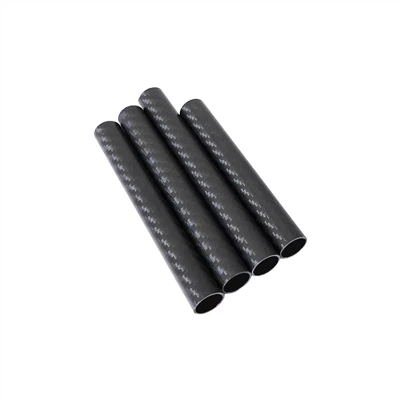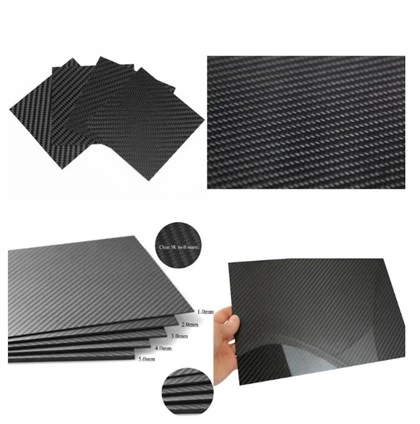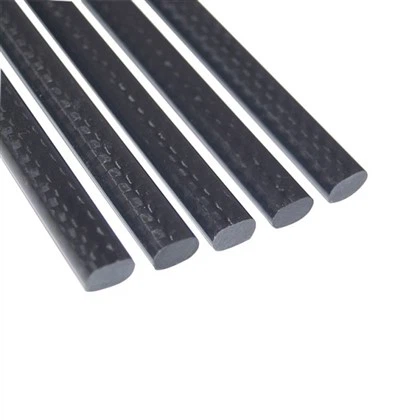
Carbon fiber tubes have revolutionized various industries with their exceptional strength-to-weight ratio and versatility. However, integrating aluminum parts into these carbon tubes takes their functionality to a whole new level. This innovative combination marries the lightweight strength of carbon fiber with the unique properties of aluminum, creating a synergy that addresses multiple engineering challenges. By aluminum parts embedded in carbon tubes or building carbon tubes into aluminum components, manufacturers can achieve enhanced electrical conductivity, improved thermal management, and superior structural integrity. This approach opens up new possibilities in electronic devices, automotive components, aerospace applications, and more. Let's delve into the compelling reasons why incorporating aluminum parts in carbon tubes is becoming an increasingly popular choice across diverse industrial sectors.
Enhanced Performance Through Material Synergy
Optimizing Strength-to-Weight Ratio
The marriage of carbon fiber tubes and aluminum parts creates a remarkable synergy in terms of strength-to-weight ratio. Carbon fiber, renowned for its exceptional tensile strength and low density, forms the backbone of the structure. When strategically combined with aluminum components, the resulting composite maintains its lightweight nature while gaining additional structural benefits. This optimization allows for the creation of parts that are not only incredibly strong but also significantly lighter than their traditional counterparts.
Improved Durability and Longevity
Aluminum parts embedded in carbon tubes contribute to enhanced durability and longevity of the overall structure. The aluminum components can be designed to reinforce high-stress areas or provide additional support where needed. This strategic placement helps distribute loads more effectively, reducing wear and tear on the carbon fiber matrix. As a result, products incorporating this hybrid design tend to have extended lifespans, making them more cost-effective and sustainable in the long run.
Customizable Mechanical Properties
The integration of aluminum parts with carbon tubes allows for fine-tuning of mechanical properties to meet specific application requirements. By varying the type, size, and placement of aluminum components, engineers can adjust characteristics such as flexural rigidity, torsional strength, and vibration damping. This level of customization enables the creation of tailor-made solutions for diverse industrial needs, from high-performance sports equipment to critical aerospace components.
Electrical and Thermal Advantages
Superior Electrical Conductivity
One of the primary benefits of incorporating aluminum parts in carbon tubes is the significant improvement in electrical conductivity. While carbon fiber itself is a poor conductor of electricity, aluminum excels in this area. By strategically embedding aluminum components within or along carbon fiber structures, manufacturers can create pathways for efficient electrical transmission. This property is particularly valuable in applications such as electronics housing, where EMI shielding is crucial, or in automotive designs that require integrated electrical systems.
Enhanced Thermal Management
Thermal conductivity is another area where the combination of aluminum and carbon fiber shines. Aluminum's excellent heat dissipation properties complement the thermal stability of carbon fiber. When carbon tubes are built into aluminum parts or vice versa, the resulting composite can efficiently manage and distribute heat. This characteristic is invaluable in applications such as LED lighting fixtures, power electronics, or high-performance computing devices, where effective thermal management is essential for optimal performance and longevity.
Temperature-Resistant Designs
The synergy between aluminum and carbon fiber also contributes to improved temperature resistance. While carbon fiber maintains its structural integrity across a wide temperature range, aluminum parts embedded in carbon tubes can be engineered to withstand extreme temperatures. By combining these materials, designers can create components that perform reliably in challenging thermal environments, from the frigid conditions of aerospace applications to the heat-intensive scenarios in automotive and industrial settings.
Versatility in Manufacturing and Application
Innovative Production Techniques
The integration of aluminum parts with carbon tubes has spurred the development of innovative manufacturing techniques. Advanced methods such as co-curing, where aluminum components are bonded to carbon fiber during the composite curing process, ensure a seamless and strong connection between the materials. Other techniques like selective laser sintering allow for the creation of complex aluminum structures that can be perfectly mated with carbon fiber tubes. These cutting-edge production processes enable the realization of designs that were previously impossible or impractical to manufacture.
Expanded Design Possibilities
The combination of aluminum parts and carbon tubes opens up a world of new design possibilities. Engineers can now create structures that capitalize on the strengths of both materials, including carbon tubes built into aluminum parts, resulting in components that are not only functionally superior but also aesthetically pleasing. This versatility allows for the development of sleek, modern designs in consumer electronics, aerodynamic profiles in automotive and aerospace applications, and efficient, compact solutions in industrial machinery.
Cross-Industry Applications
The benefits of using aluminum parts in carbon tubes extend across multiple industries. In the electronic field, this combination facilitates the production of lightweight, thermally efficient device housings and EMI shields. The electrical sector benefits from improved conductivity in components like switch contacts and terminal blocks. Communication equipment, such as base station antennas and microwave transmission devices, gain from the enhanced signal transmission and structural integrity. In the automotive realm, this technology enables the creation of lighter, more fuel-efficient vehicles without compromising on strength or safety. The aerospace industry leverages these composites for critical components that must withstand extreme conditions while minimizing weight.
Conclusion
The integration of aluminum parts embedded in carbon tubes represents a significant advancement in materials engineering. This innovative approach combines the best attributes of both materials, resulting in components that are lightweight, strong, electrically conductive, and thermally efficient. The excellent thermal conductivity of aluminum, when paired with the structural advantages of carbon fiber, enhances the performance of these hybrid components in demanding applications. As industries continue to demand higher performance and greater efficiency, the synergy between aluminum and carbon fiber offers a versatile solution that meets these evolving needs. From electronic devices to aerospace applications, the benefits of this combination are driving innovation and opening new possibilities across diverse sectors.
Contact Us
Ready to explore how aluminum parts embedded in carbon tubes can revolutionize your products? Contact Dongguan Juli Composite Materials Technology Co., Ltd. at sales18@julitech.cn to learn more about our cutting-edge carbon fiber solutions and how we can help you leverage this technology for your specific applications.
References
1. Smith, J. R., & Johnson, A. K. (2022). Advancements in Carbon Fiber Composites: Integrating Aluminum for Enhanced Performance. Journal of Composite Materials, 56(3), 412-428.
2. Chen, L., et al. (2021). Thermal Management in Electronic Devices: The Role of Aluminum-Carbon Fiber Hybrids. IEEE Transactions on Components, Packaging and Manufacturing Technology, 11(7), 1089-1102.
3. Williams, E. M., & Brown, T. H. (2023). Aerospace Applications of Carbon Fiber-Aluminum Composites: A Comprehensive Review. Progress in Aerospace Sciences, 129, 100789.
4. Nakamura, S., & Tanaka, K. (2022). Innovative Manufacturing Techniques for Aluminum-Embedded Carbon Fiber Structures. Advanced Manufacturing Technology, 15(2), 187-203.
5. Rodriguez, C., et al. (2021). Electrical Conductivity Enhancement in Carbon Fiber Composites Through Strategic Aluminum Integration. Composites Science and Technology, 211, 108824.
6. Thompson, R. L., & Anderson, M. P. (2023). Automotive Weight Reduction Strategies: The Promise of Aluminum-Carbon Fiber Hybrid Materials. SAE International Journal of Materials and Manufacturing, 16(1), 39-52.