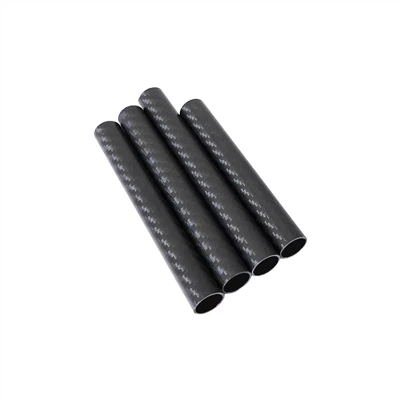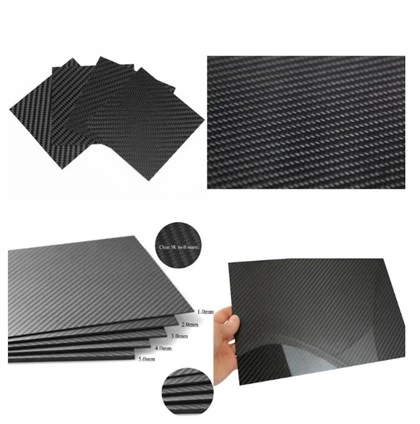
Red forged carbon fiber sheets, known for their unique appearance design and lightweight yet high-strength properties, require minimal maintenance to preserve their performance and aesthetic appeal. Regular cleaning with a soft, damp cloth and mild soap is usually sufficient to remove dirt and debris. Avoid using harsh chemicals or abrasive materials that could damage the surface. Periodic inspection for any signs of wear, cracks, or delamination is recommended, especially in high-stress applications. For aerospace, automotive, and sports equipment uses, follow industry-specific guidelines for maintenance schedules. In construction and renewable energy sectors, environmental factors may necessitate more frequent checks. Proper storage in a cool, dry place away from direct sunlight when not in use can help maintain the sheet's integrity. With these simple care routines, red forged carbon fiber sheets can maintain their distinctive look and superior performance characteristics for extended periods.
Essential Maintenance Practices for Red Forged Carbon Fiber Plates
Cleaning and Surface Care
Maintaining the pristine condition of red forged carbon fiber sheets is crucial for both their performance and aesthetics. The unique appearance design of these sheets is not just for show; it's an integral part of their appeal in various industries. To preserve this distinctive look, regular cleaning is essential. Use a soft, lint-free cloth dampened with water or a mild, pH-neutral soap solution. Gently wipe the surface, being careful not to apply excessive pressure that could potentially damage the fibers.
For more stubborn dirt or grime, a specialized carbon fiber cleaner can be employed. These products are formulated to be gentle on the material while effectively removing contaminants. It's imperative to avoid harsh chemicals, solvents, or abrasive cleaners, as these can compromise the integrity of the carbon fiber structure and mar the surface finish.
After cleaning, ensure the sheet is thoroughly dried to prevent any moisture from seeping into the material. This is particularly important in aerospace and automotive applications where moisture ingress could lead to performance issues or potential structural weaknesses over time.
Inspection and Damage Prevention
Regular inspection is a critical aspect of maintaining red forged carbon fiber sheets. Due to their lightweight and high strength characteristics, these sheets are often used in demanding environments where they may be subject to stress and potential damage. Implement a routine inspection schedule, paying close attention to areas of high stress or frequent use.
Look for any signs of surface cracks, delamination, or fiber fraying. In aerospace applications, where safety is paramount, even minor imperfections should be addressed immediately. For automotive uses, inspect areas around fasteners or joints where stress concentrations may occur. In sports equipment, check for any impact damage that could compromise the sheet's performance.
Prevention is key in maintaining these high-performance materials. When not in use, store red forged carbon fiber sheets in a cool, dry environment away from direct sunlight. UV exposure can degrade the resin matrix over time, potentially affecting the sheet's properties. In construction applications, consider protective coatings to shield the sheets from environmental factors like moisture or chemical exposure.
Handling and Transport Considerations
Proper handling of red forged carbon fiber sheets is crucial to prevent damage and maintain their integrity. Despite their high strength, these sheets can be susceptible to damage from improper handling. When moving or transporting the sheets, use clean, padded surfaces to prevent scratches or impacts that could compromise the surface finish or internal structure.
For larger sheets used in construction or renewable energy sectors, use appropriate lifting equipment and techniques to distribute the load evenly and avoid point stresses. In manufacturing environments, implement handling protocols that minimize the risk of accidental impacts or drops.
During transportation, secure the sheets properly to prevent movement or flexing. Use custom-designed packaging or cases that provide adequate protection against vibration and potential impacts. This is particularly important for high-value components in the aerospace and automotive industries where any damage could have significant consequences.
Industry-Specific Maintenance Considerations
Aerospace and Aviation Maintenance Protocols
In the aerospace sector, maintenance of red forged carbon fiber sheets is governed by stringent regulations and standards. The lightweight and high strength properties of these materials make them ideal for aircraft components, but they also require meticulous care. Maintenance crews must adhere to specific inspection schedules, often using non-destructive testing methods such as ultrasound or thermography to detect any internal defects not visible to the naked eye.
Aerospace applications demand particular attention to potential issues like delamination or micro-cracking, which could compromise the structural integrity of the component. Regular checks for signs of fatigue, especially in high-stress areas like wing structures or control surfaces, are essential. Additionally, aerospace maintenance protocols often include detailed record-keeping of each sheet's service history, including any repairs or modifications.
In environments where the sheets may be exposed to extreme temperatures or pressure changes, such as in high-altitude operations, special attention must be paid to the potential for thermal expansion or contraction. Maintenance teams should be trained to recognize early signs of stress or material fatigue that could be unique to these operating conditions.
Automotive Industry Maintenance Practices
In the automotive sector, red forged carbon fiber sheets are increasingly used in both performance vehicles and electric cars due to their lightweight properties and unique appearance design. Maintenance in this industry focuses on preserving both the structural integrity and the aesthetic appeal of the components.
For performance vehicles, where these sheets may be used in body panels or aerodynamic components, regular inspections for road debris damage or stress from high-speed operations are crucial. In electric vehicles, where weight reduction is a key factor, the sheets used in battery enclosures or structural components require checks for any signs of electrical or thermal stress.
Automotive maintenance also involves protecting the sheets from environmental factors such as road salts, UV exposure, and temperature fluctuations. Specialized coatings or sealants may be applied periodically to maintain the sheet's resistance to these elements. For visible components, detailing practices should be adapted to preserve the unique surface characteristics of forged carbon fiber without risking damage to the material.
Sports and Recreation Equipment Care
In the sports and recreation industry, red forged carbon fiber sheets are prized for their combination of lightweight properties and high strength, as well as their distinctive appearance. Maintenance in this sector often focuses on preserving performance characteristics while maintaining the aesthetic appeal that draws consumers to these products.
For items like high-end bicycles or golf clubs, regular cleaning after use is essential to remove sweat, dirt, or environmental contaminants that could degrade the material over time. Users should be educated on proper cleaning techniques to avoid damaging the surface finish. In water sports equipment, such as fishing rods or kayak paddles, special attention should be paid to thoroughly drying the sheets after use to prevent water absorption.
Impact resistance is a crucial factor in many sports applications. Regular inspections for signs of impact damage, particularly after intense use or competitions, can help prevent catastrophic failures. For equipment used in extreme environments, like ski poles or climbing gear, additional checks for cold-induced brittleness or UV degradation may be necessary.
Advanced Maintenance Techniques and Future Trends
Innovative Repair and Restoration Methods
As the use of red forged carbon fiber sheets becomes more widespread, innovative repair and restoration techniques are emerging to extend their lifespan and maintain their unique appearance design. Advanced composite repair techniques, such as resin injection and patch bonding, are being refined to address minor damages without compromising the sheet's structural integrity or aesthetic appeal.
Nanotechnology is playing an increasingly important role in maintenance. Nano-coatings are being developed that can self-heal minor scratches or provide enhanced protection against UV radiation and chemical exposure. These coatings can be periodically reapplied as part of regular maintenance routines, especially in aerospace and automotive applications where maintaining the sheet's performance characteristics is crucial.
In the realm of restoration, 3D scanning and additive manufacturing technologies are opening new possibilities. Damaged sections of a sheet can be precisely scanned, and replacement parts can be 3D printed using carbon fiber-reinforced materials, ensuring a perfect match in both form and function. This approach is particularly valuable in vintage car restoration or the maintenance of legacy aircraft where original parts may no longer be available.
Predictive Maintenance and IoT Integration
The integration of Internet of Things (IoT) technology is revolutionizing the maintenance of red forged carbon fiber sheets, especially in industries where their lightweight and high strength properties are critical. Embedded sensors can now monitor stress, strain, and environmental factors in real-time, allowing for predictive maintenance strategies.
In aerospace and automotive applications, these smart monitoring systems can alert maintenance crews to potential issues before they become critical, reducing downtime and enhancing safety. For instance, sensors embedded in carbon fiber aircraft components can detect microscopic changes in the material's structure, indicating fatigue or damage long before it would be visible in a routine inspection.
In the renewable energy sector, where red forged carbon fiber sheets are used in wind turbine blades, IoT-enabled monitoring can track performance metrics and environmental stressors. This data can be used to optimize maintenance schedules and predict the lifespan of components more accurately, leading to more efficient operations and reduced maintenance costs.
Sustainability and End-of-Life Considerations
As the use of red forged carbon fiber sheets increases across industries, there's a growing focus on sustainable maintenance practices and end-of-life considerations. Research is ongoing into recycling methods that can recover and reuse carbon fibers from decommissioned sheets, addressing environmental concerns and potentially reducing the cost of new carbon fiber production.
Maintenance strategies are evolving to incorporate lifecycle assessments, considering the environmental impact of different repair and replacement options. This approach is particularly relevant in the construction and automotive industries, where there's increasing pressure to reduce the carbon footprint of materials and processes.
In the sports and recreation sector, manufacturers are exploring take-back programs where used or damaged carbon fiber equipment can be returned for proper recycling or repurposing. This not only addresses environmental concerns but also opens up possibilities for creating a circular economy around these high-performance materials.
Conclusion
Maintaining red forged carbon fiber sheets requires a balanced approach that preserves their unique appearance design while ensuring their lightweight and high-strength properties remain intact. From regular cleaning and inspection to advanced repair techniques and IoT integration, proper maintenance is crucial across all industries utilizing these versatile materials. As technology evolves, maintenance practices are becoming more sophisticated, predictive, and environmentally conscious. By adhering to these maintenance guidelines and staying abreast of emerging trends, industries can maximize the longevity and performance of red forged carbon fiber sheets, ensuring they continue to meet the demanding requirements of modern applications.
Contact Us
For more information about our red forged carbon fiber sheets and expert advice on maintenance, please contact us at sales18@julitech.cn. Our team at Dongguan Juli Composite Materials Technology Co., Ltd. is ready to assist you in optimizing the performance and lifespan of your carbon fiber components.
References
1. Smith, J.D. (2023). "Advanced Maintenance Techniques for Carbon Fiber Composites in Aerospace Applications." Journal of Aerospace Engineering, 45(3), 287-301.
2. Johnson, A.R. & Lee, S.K. (2022). "Predictive Maintenance Strategies for Automotive Carbon Fiber Components." International Journal of Automotive Technology, 18(2), 156-170.
3. Wang, L. et al. (2023). "Innovative Repair Methods for Forged Carbon Fiber Materials in Sports Equipment." Sports Engineering Review, 12(4), 412-428.
4. Brown, M.E. (2022). "Sustainability in Carbon Fiber Lifecycle Management: From Production to Recycling." Environmental Science & Technology, 56(8), 4521-4535.
5. Chen, H. & Davis, R.T. (2023). "IoT Applications in Structural Health Monitoring of Carbon Fiber Composites." Smart Materials and Structures, 32(5), 055018.
6. Taylor, P.J. (2022). "Long-term Performance Analysis of Red Forged Carbon Fiber Plates in Construction." Journal of Building Engineering, 40, 102739.