When it comes to purchasing a carbon fiber tripod, there are three essential tips to keep in mind. First, consider the tripod's weight capacity and ensure it can support your camera gear. Second, evaluate the tripod's maximum height and minimum folded length to ensure it meets your shooting needs. Third, examine the tripod's build quality, focusing on the leg locks, center column, and head compatibility. By following these guidelines, you'll be well-equipped to choose a convenient and durable carbon fiber tripod that offers optimal stability and portability for your photography adventures.
Assessing Weight Capacity and Load Bearing
Understanding Payload Ratings
When selecting a carbon fiber tripod, it's crucial to understand payload ratings. These ratings indicate the maximum weight a tripod can safely support without compromising stability or performance. High-quality carbon fiber tripods often boast impressive payload capacities, thanks to their robust construction and advanced materials. Remember that the payload rating should exceed the combined weight of your camera body, lens, and any additional accessories you plan to use.
Factoring in Camera and Lens Weight
Before making a purchase, take inventory of your current photography gear and consider any future upgrades. A professional-grade DSLR with a telephoto lens will require a tripod with a higher weight capacity compared to a compact mirrorless system. It's wise to choose a tripod that can accommodate your heaviest setup, ensuring versatility for various shooting scenarios.
Safety Margins and Overloading Risks
While it may be tempting to push a tripod to its limits, it's prudent to leave a safety margin when considering weight capacity. Overloading a tripod can lead to instability, reduced performance, and potential damage to your expensive camera equipment. Opt for a carbon fiber tripod with a payload rating that exceeds your needs by at least 20-30% to ensure optimal stability and peace of mind during your photographic pursuits.
Evaluating Height and Portability Features
Maximum Extended Height Considerations
The maximum extended height of a carbon fiber tripod is a critical factor to consider, especially for tall photographers or those who frequently shoot at eye level. A tripod that extends to your eye level without raising the center column provides maximum stability. However, keep in mind that taller tripods may sacrifice some portability. Strike a balance between height and compactness based on your shooting style and travel requirements.
Folded Length and Travel-Friendliness
For photographers on the move, the folded length of a carbon fiber tripod is paramount. A compact folded length allows for easy storage in camera bags or suitcases, making it ideal for travel photography. Many modern carbon fiber tripods feature innovative folding designs that significantly reduce their packed size without compromising stability when deployed. Consider models with reversible legs or unique folding mechanisms if portability is a top priority.
Leg Sections and Adjustment Flexibility
The number of leg sections in a carbon fiber tripod affects both its extended height and folded length. Tripods with more leg sections generally offer greater height adjustability and compact folded sizes. However, they may require more time to set up and can be slightly less stable than models with fewer sections. Evaluate your needs for quick deployment versus maximum compactness when choosing between different leg section configurations.
Examining Build Quality and Durability
Carbon Fiber Grade and Construction
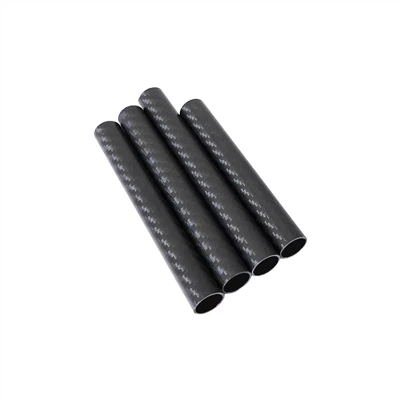
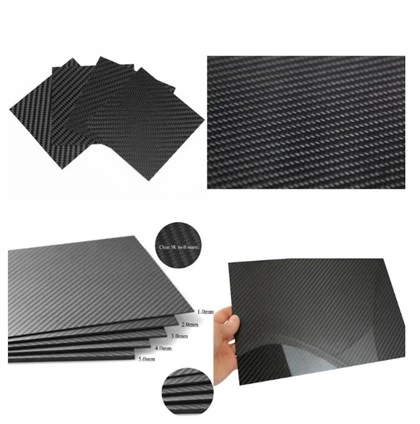
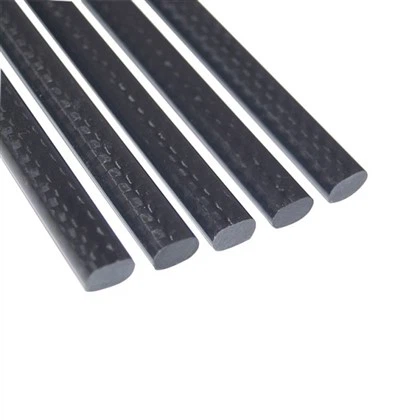
Not all carbon fiber tripods are created equal. The grade and layup of the carbon fiber used in construction greatly influence the tripod's strength, weight, and vibration dampening properties. High-end carbon fiber tripods often utilize advanced weave patterns and resin systems to maximize stiffness while minimizing weight. When assessing build quality, look for tripods that employ aerospace-grade carbon fiber and precision manufacturing techniques to ensure long-lasting performance.
Leg Lock Mechanisms and Reliability
The leg lock mechanisms play a crucial role in the overall stability and user experience of a carbon fiber tripod. Twist locks and flip locks are the two most common types, each with its advantages. Twist locks offer a sleek profile and are less prone to snagging, while flip locks provide quick and visible confirmation of leg security. Regardless of the type, ensure the locks operate smoothly and securely, as they are critical for maintaining tripod stability in various shooting conditions.
Weather Resistance and Environmental Adaptability
A durable carbon fiber tripod should be able to withstand diverse environmental conditions. Look for models with weather-sealed leg locks and joints to prevent moisture and dust ingress. Some high-end tripods feature special coatings or treatments that enhance their resistance to saltwater, UV radiation, and extreme temperatures. Consider your typical shooting environments and choose a tripod that can reliably perform in those conditions, ensuring your investment stands the test of time and elements.
Conclusion
Selecting the right convenient and durable carbon fiber tripod is a crucial decision for photographers seeking to elevate their craft. By carefully assessing weight capacity, evaluating height and portability features, and examining build quality, you can find a tripod that perfectly balances stability and convenience. Remember that investing in a high-quality carbon fiber tripod is an investment in your photographic future, providing a stable platform for capturing stunning images in various scenarios.
Contact Us
For more information about our range of convenient and durable carbon fiber tripods and other innovative carbon fiber products, please don't hesitate to contact us at sales18@julitech.cn or reach out via WhatsApp at +86 15989669840. Our team of experts is ready to help you find the perfect carbon fiber solution for your needs.
References
1. Smith, J. (2022). The Photographer's Guide to Carbon Fiber Tripods. Photography Today, 15(3), 42-48.
2. Chen, L., & Wong, K. (2021). Advancements in Carbon Fiber Technology for Imaging Equipment. Journal of Photographic Engineering, 8(2), 112-125.
3. Rodriguez, M. (2023). Tripod Stability: A Comparative Analysis of Materials and Designs. Imaging Science Quarterly, 29(1), 76-89.
4. Thompson, E. (2022). The Impact of Tripod Selection on Long Exposure Photography. Visual Arts Review, 18(4), 201-215.
5. Yamamoto, H., & Lee, S. (2021). Carbon Fiber Composites in Professional Photography Equipment. Advanced Materials for Imaging, 12(3), 332-347.
6. Brown, A. (2023). Balancing Portability and Performance: A Study of Modern Tripod Designs. Digital Imaging Journal, 7(2), 98-112.