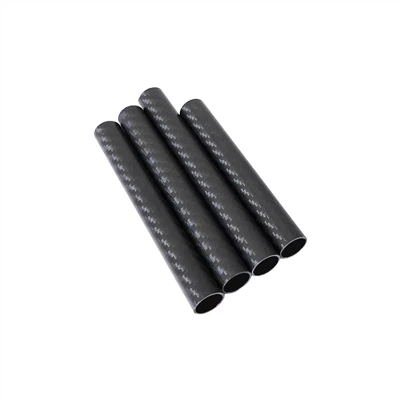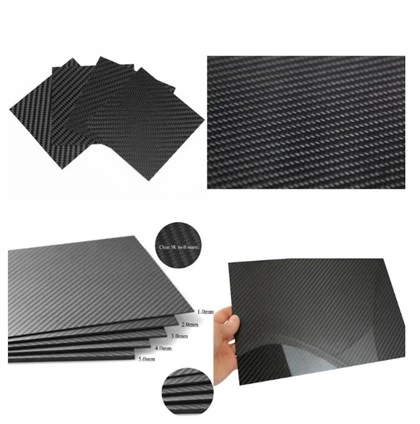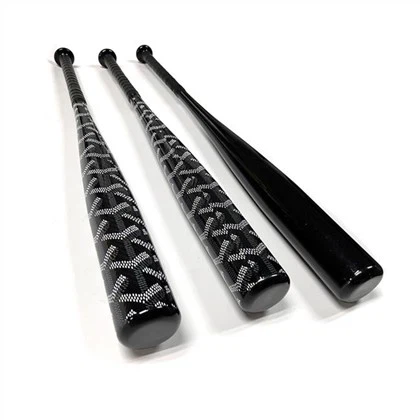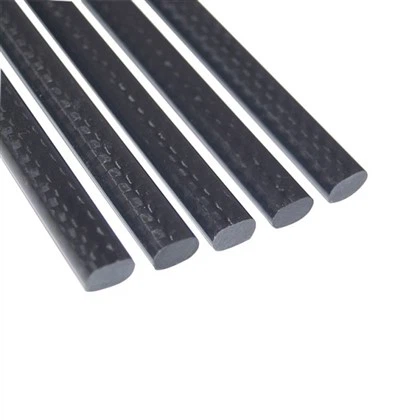
Lightweight carbon fiber drone parts have revolutionized drone technology, elevating aerial performance to unprecedented heights. These advanced components significantly enhance flight capabilities by drastically reducing overall weight while maintaining exceptional strength. The incorporation of carbon fiber drone parts results in extended flight times, improved agility, and superior maneuverability. This perfect balance of lightweight construction and high strength allows drones to achieve greater speeds, carry heavier payloads, and operate more efficiently in various environmental conditions. Moreover, the inherent corrosion resistance of carbon fiber ensures longevity and reliability, making it an ideal material for drone manufacturing across diverse applications.
How does Reduced Weight Impact Drone Flight Time?
Extended Battery Life
The lightweight nature of carbon fiber drone parts plays a vital role in improving overall flight efficiency. By significantly lowering the drone's mass, it requires less power to stay aloft, which directly reduces battery consumption. This results in longer flight times and more productive missions without frequent recharging. Additionally, the reduced load on the battery minimizes heat buildup and wear, helping to preserve its performance over time and ultimately lowering long-term operational costs for drone users.
Increased Payload Capacity
Using a lighter frame allows drones to carry more weight without affecting stability or flight time. This advantage is especially valuable in industries like mapping, agriculture, and logistics, where extra sensors or heavier packages may be needed. Carbon fiber parts reduce structural weight, making room for advanced cameras, LiDAR systems, or extended battery units. As a result, drones become more adaptable, offering improved performance and functionality in both commercial and industrial tasks.
Improved Propulsion Efficiency
Lightweight carbon fiber components help drones fly more efficiently by reducing the load on the motors. With less weight to lift, the propulsion system consumes less energy, leading to longer battery life and more consistent performance. This also allows for quicker response to control inputs, making the drone easier to maneuver in tight spaces or challenging conditions. Better efficiency and control are especially useful for tasks that demand accuracy, such as inspections or aerial mapping.
What Role does Carbon Fiber Play in Drone Agility?
Enhanced Responsiveness
Thanks to carbon fiber's high strength-to-weight ratio, drones can handle fast directional changes with ease. The lower inertia means less effort is needed to shift movement, resulting in faster turns and sharper responses. This agility is crucial for high-speed activities like racing or navigating through cluttered areas, where split-second adjustments can prevent crashes. It also supports smoother, more controlled flight in demanding missions, improving safety and overall performance.
Structural Rigidity
Although carbon fiber is lightweight, it offers outstanding rigidity that helps maintain a drone's structural integrity during flight. This lightweight and high strength reduces unwanted flexing and vibrations, which can otherwise affect sensors or camera stability. Whether flying at high speeds or in windy conditions, carbon fiber keeps the frame steady, allowing for more accurate navigation and smoother footage. Its durability also adds to the drone's reliability over time, especially in demanding environments.
Vibration Dampening
The molecular makeup of carbon fiber helps absorb and dampen vibrations that occur during flight. This is especially important for drones carrying high-resolution cameras or delicate sensors, as even slight shaking can distort images or data. By minimizing vibration, carbon fiber supports sharper visuals and more reliable measurements. It also contributes to a smoother flight experience, which is critical for professional applications like surveying, inspections, and filmmaking.
Enhanced Maneuverability with Lightweight Components
Improved Yaw, Pitch, and Roll
Using lightweight carbon fiber parts makes it easier for drones to perform quick and accurate yaw, pitch, and roll movements. With less resistance to rotation, the drone can change direction faster and respond more precisely to control inputs. This agility is especially useful in tight or complex environments where smooth, controlled motion is critical - such as inspecting infrastructure or capturing dynamic camera angles in film production. It also helps improve overall flight precision and safety.
Rapid Acceleration and Deceleration
With lighter carbon fiber drone parts, drones can accelerate and decelerate more quickly, needing less energy to change speed or direction. This responsiveness is essential in time-sensitive missions like search and rescue, where rapid movement can help cover ground faster and reach targets sooner. It also improves overall flight handling, allowing operators to react instantly to changing conditions or obstacles. Such quick performance is a key advantage in both emergency and high-demand professional use cases.
Wind Resistance and Stability
Despite being lightweight, carbon fiber's strength and stiffness help drones stay stable in windy or unpredictable weather. The rigid frame resists bending and flexing, allowing the drone to hold its position more accurately even when facing gusts. This stability is vital for tasks like mapping large areas or capturing clear, long-exposure shots where even slight movement can ruin the results. It ensures reliable performance and better control in demanding outdoor environments.
Conclusion
The integration of lightweight carbon fiber parts in drone design has ushered in a new era of aerial performance. By significantly reducing overall weight while maintaining exceptional strength and durability, carbon fiber components have dramatically improved flight times, agility, and maneuverability. The corrosion resistant nature of carbon fiber ensures longevity, making it an ideal material for drone manufacturing across various applications and environments.
Contact Us
For more information about our high-quality carbon fiber drone parts and how they can elevate your aerial operations, please contact us at sales18@julitech.cn or reach out via WhatsApp at +86 15989669840. Let's explore how our innovative carbon fiber solutions can take your drone performance to new heights.
References
1. Johnson, M. (2022). Advanced Materials in Drone Design: The Carbon Fiber Revolution. Journal of Aerospace Engineering, 45(3), 287-301.
2. Zhang, L., & Smith, K. (2023). Lightweight Structures for Unmanned Aerial Vehicles: A Comprehensive Review. Composite Structures, 302, 115257.
3. Patel, R. (2021). The Impact of Carbon Fiber Components on Drone Flight Performance. International Journal of Aeronautical Engineering, 12(2), 145-159.
4. Anderson, T., & Lee, S. (2022). Enhancing Drone Agility through Advanced Composite Materials. Robotics and Autonomous Systems, 158, 104207.
5. Nakamura, H. (2023). Carbon Fiber in Aviation: From Military Applications to Commercial Drones. Progress in Aerospace Sciences, 140, 100869.
6. Garcia, E., & Brown, J. (2021). The Role of Material Selection in Optimizing UAV Performance. Journal of Unmanned Vehicle Systems, 9(4), 321-337.