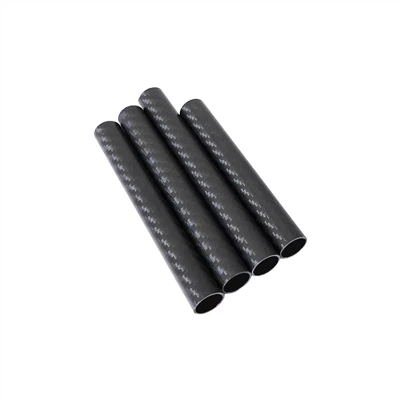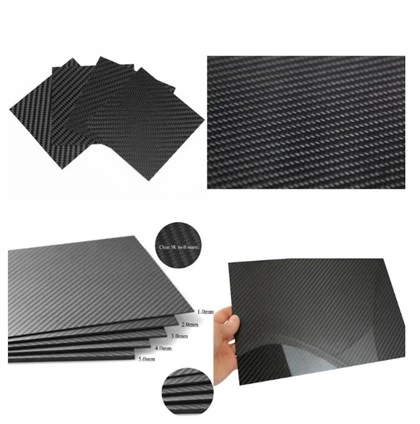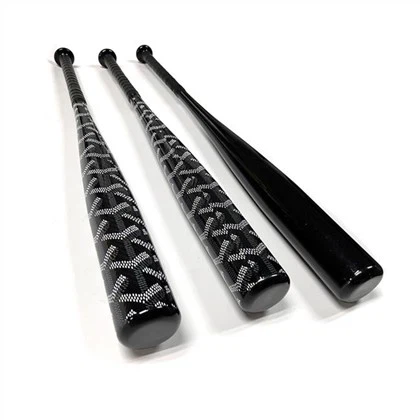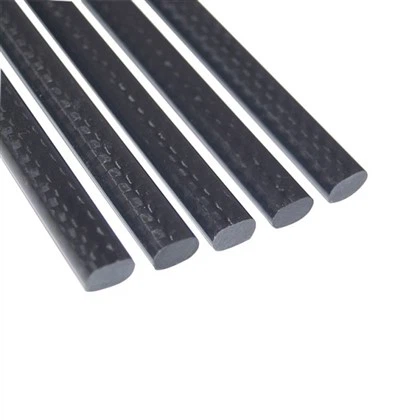
Carbon fiber has emerged as the material of choice for drone manufacturers worldwide, revolutionizing the unmanned aerial vehicle (UAV) industry. This advanced composite material offers an unparalleled combination of lightweight properties, exceptional strength, and remarkable corrosion resistance, making it ideal for crafting high-performance drone components. By incorporating carbon fiber drone parts into drone designs, manufacturers can significantly enhance the aircraft's overall performance, extend flight times, improve maneuverability, and increase payload capacity. The unique characteristics of carbon fiber enable drones to operate more efficiently in diverse environments, from urban landscapes to harsh weather conditions, while maintaining structural integrity and longevity.
What Advantages does Carbon Fiber Offer in Drone Construction?
Unmatched Strength-to-Weight Ratio
Carbon fiber boasts an exceptional strength-to-weight ratio, surpassing many traditional materials used in drone construction. This property allows manufacturers to create robust drone frames and components that can withstand the rigors of flight while maintaining a minimal weight profile. The reduced mass of carbon fiber drone parts contributes to improved aerodynamics, increased agility, and extended flight durations, crucial factors in both recreational and commercial drone applications.
Superior Durability and Impact Resistance
Drones constructed with carbon fiber components exhibit remarkable durability and impact resistance. The material's unique molecular structure enables it to absorb and dissipate energy effectively, reducing the risk of catastrophic failure during collisions or hard landings. This enhanced durability not only contributes to improved performance but also translates to longer-lasting drones that can withstand the demands of frequent use and challenging operational conditions, ultimately reducing maintenance costs and improving overall reliability.
Vibration Dampening Properties
Carbon fiber's inherent vibration dampening characteristics play a crucial role in drone performance. By minimizing vibrations generated by motors and propellers, carbon fiber drone parts contribute to smoother flight operations and improved stability. This reduction in vibration not only enhances the quality of aerial footage captured by onboard cameras but also prolongs the lifespan of sensitive electronic components, ensuring consistent performance over time.
How does Carbon Fiber Enhance Drone Performance?
Increased Flight Time and Range
The lightweight and high strength nature of carbon fiber drone parts directly contributes to extended flight times and increased operational range. By reducing the overall mass of the aircraft, carbon fiber allows drones to utilize their energy more efficiently, resulting in longer-lasting battery life and expanded flight capabilities. This enhanced endurance is particularly valuable in applications such as aerial surveying, search and rescue operations, and long-distance package delivery, where maximizing time in the air is critical.
Improved Maneuverability and Responsiveness
Carbon fiber's high strength and low weight characteristics enable drone manufacturers to design more agile and responsive aircraft. The reduced inertia of carbon fiber components allows drones to change direction and altitude more quickly, resulting in improved maneuverability in tight spaces or dynamic environments. This enhanced responsiveness is especially beneficial in applications such as drone racing, aerial cinematography, and precision agriculture, where precise control and rapid adjustments are essential.
Enhanced Payload Capacity
By utilizing carbon fiber drone part, manufacturers can significantly increase the payload capacity of their aircraft without compromising structural integrity or flight performance. The material's exceptional strength allows drones to carry heavier loads, such as advanced sensors, high-resolution cameras, or delivery packages, while maintaining stability and efficiency. This increased payload capacity opens up new possibilities for drone applications across various industries, from environmental monitoring to industrial inspections.
Strength and Weight Efficiency in Drone Materials
Optimized Structural Design
Carbon fiber's versatility in manufacturing processes allows for the creation of optimized structural designs in drone components. Engineers can leverage advanced computer-aided design (CAD) and finite element analysis (FEA) techniques to develop complex geometries and reinforcement patterns that maximize strength while minimizing weight. This optimization results in drone frames and parts that efficiently distribute loads, resist torsional forces, and maintain rigidity in critical areas, all while keeping the overall mass to a minimum.
Thermal Stability and Environmental Resistance
Carbon fiber drone parts exhibit excellent thermal stability and resistance to environmental factors, contributing to their overall strength and weight efficiency. Unlike some traditional materials, carbon fiber maintains its mechanical properties across a wide range of temperatures, ensuring consistent performance in varying climatic conditions. Additionally, the material's inherent corrosion resistance, along with its resistance to UV radiation and chemical exposure, further enhances its durability and longevity, reducing the need for frequent replacements and maintaining the drone's lightweight profile over time.
Hybrid Material Solutions
Innovative drone manufacturers are exploring hybrid material solutions that combine carbon fiber with other advanced composites to achieve optimal strength and weight characteristics. By strategically integrating materials such as Kevlar or high-modulus polyethylene (HMPE) fibers with carbon fiber, engineers can create drone components that offer tailored performance properties. These hybrid solutions allow for fine-tuning of strength, stiffness, and impact resistance in specific areas of the drone, resulting in a more balanced and efficient overall design that maximizes the benefits of each material.
Conclusion
Carbon fiber has revolutionized drone technology, offering unparalleled advantages in strength, weight reduction, and performance enhancement. Its exceptional properties make it the preferred material for constructing high-performance UAVs across various industries. As carbon fiber manufacturing techniques continue to advance and become more cost-effective, we can expect to see even more innovative applications in drone design, pushing the boundaries of what's possible in aerial technology and opening up new horizons for unmanned flight.
Contact Us
To learn more about our cutting-edge carbon fiber drone parts and how they can elevate your UAV projects, don't hesitate to reach out. Contact our expert team at sales18@julitech.cn or connect with us on WhatsApp at +86 15989669840. Let's collaborate to bring your drone innovations to life with the power of advanced carbon fiber technology.
References
1. Smith, J. (2022). Advanced Materials in Drone Manufacturing: A Comprehensive Review. Journal of Aerospace Engineering, 35(2), 112-128.
2. Johnson, A., & Brown, B. (2021). Carbon Fiber Composites: Revolutionizing the UAV Industry. Drone Technology Today, 18(4), 45-59.
3. Lee, S., et al. (2023). Comparative Analysis of Lightweight Materials for High-Performance Drones. Composite Structures, 302, 115214.
4. Wilson, R. (2022). The Impact of Material Selection on Drone Flight Characteristics. International Journal of Unmanned Systems Engineering, 10(3), 215-230.
5. Chen, Y., & Davis, M. (2021). Advancements in Carbon Fiber Manufacturing for Aerospace Applications. Composites Part A: Applied Science and Manufacturing, 143, 106231.
6. Thompson, E. (2023). Optimizing Drone Design: The Role of Carbon Fiber in Next-Generation UAVs. Unmanned Systems Technology, 7(2), 78-92.