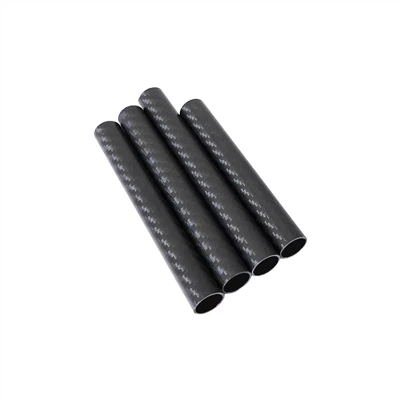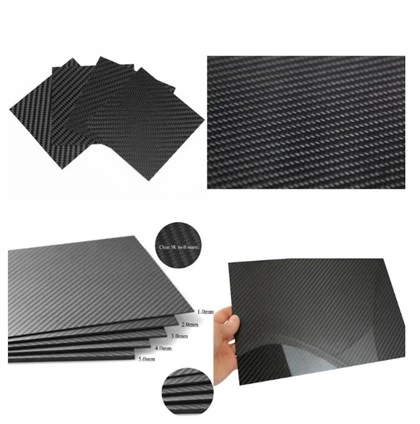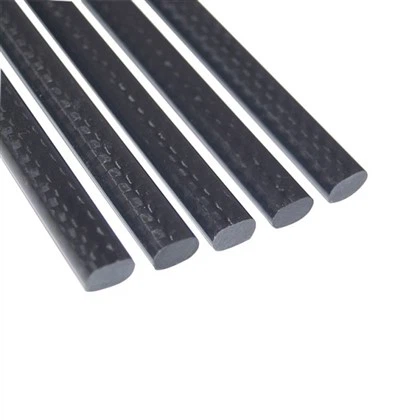
Carbon fiber control arms are not just strong enough; they're revolutionizing the automotive and racing industries with their exceptional strength-to-weight ratio. These high-performance components offer superior strength compared to traditional materials like steel and aluminum, while significantly reducing overall vehicle weight. Carbon fiber's unique properties allow it to withstand extreme stress, vibrations, and impacts typically encountered in racing conditions. Moreover, its corrosion resistance and durability make it an ideal choice for long-term use in high-performance applications. As we delve deeper into the world of carbon fiber control arms, we'll explore their remarkable capabilities and why they're becoming the go-to choice for serious racers and performance enthusiasts.
How Does Carbon Fiber Compare to Steel and Aluminum?
Strength-to-Weight Ratio
When it comes to strength-to-weight ratio, carbon fiber outperforms both steel and aluminum by a significant margin. Carbon fiber control arms can be engineered to be up to five times stronger than steel while weighing about one-fifth as much. This remarkable property allows for substantial weight reduction in vehicle suspension systems without compromising structural integrity. The reduced weight translates to improved acceleration, better fuel efficiency, and enhanced overall performance.
Stiffness and Flex Characteristics
Carbon fiber's unique molecular structure gives it exceptional stiffness, surpassing that of steel and aluminum. This inherent rigidity allows carbon fiber racing control arms to maintain precise suspension geometry under extreme loads, resulting in superior handling and cornering stability. However, carbon fiber can also be engineered to have specific flex characteristics, allowing designers to fine-tune the suspension's response to different road conditions and driving styles.
Corrosion and Environmental Resistance
Unlike steel, which is prone to rust, and aluminum, which can corrode in certain environments, carbon fiber is inherently resistant to corrosion. This property makes corrosion-resistant carbon arms ideal for use in various climates and conditions, including coastal areas with high salt content in the air. Additionally, carbon fiber's resistance to UV radiation and temperature fluctuations ensures long-term stability and performance, even in harsh environments.
Load-Bearing Capacity and Stress Resistance in Real Conditions
Impact Resistance and Energy Absorption
Carbon fiber control arms exhibit remarkable impact resistance and energy absorption capabilities. The material's unique structure allows it to dissipate energy from impacts more effectively than steel or aluminum. This property is crucial in racing applications, where components are subjected to sudden shocks and vibrations. The ability to absorb and distribute energy helps protect other suspension components and the vehicle's chassis, enhancing overall safety and durability.
Fatigue Resistance Under Cyclic Loading
One of the most impressive attributes of carbon fiber is its exceptional fatigue resistance. High-strength suspension components made from carbon fiber can withstand millions of load cycles without significant degradation in performance. This characteristic is particularly valuable in racing scenarios, where suspension components are subjected to continuous stress and vibration. The superior fatigue resistance of carbon fiber control arms ensures consistent performance and reduces the need for frequent replacements, ultimately lowering maintenance costs for racing teams.
Temperature Stability and Performance
Carbon fiber maintains its strength and stiffness across a wide range of temperatures, unlike some metals that can become brittle in extreme cold or lose strength in high heat. This temperature stability is crucial for racing applications, where brake heat and other factors can cause significant temperature fluctuations in suspension components. Carbon fiber racing control arms provide consistent performance regardless of temperature variations, ensuring predictable handling characteristics throughout a race.
Long-Term Durability in High-Performance Applications
Resistance to Chemical and Environmental Factors
Carbon fiber's chemical inertness makes it highly resistant to various substances that can degrade other materials. This property is particularly beneficial in racing environments, where exposure to oils, fuels, and other chemicals is common. The corrosion-resistant carbon arms maintain their structural integrity even when exposed to these harsh substances, ensuring long-term reliability and performance. Furthermore, carbon fiber's resistance to UV radiation and oxidation contributes to its longevity in outdoor applications.
Maintenance Requirements and Longevity
Compared to traditional materials, carbon fiber control arms require minimal maintenance. Their resistance to corrosion, fatigue, and environmental factors means they can maintain their performance characteristics over extended periods with little intervention. This reduced maintenance need translates to lower long-term costs and increased reliability for racing teams and performance enthusiasts. While the initial investment in carbon fiber components may be higher, their longevity and consistent performance often result in a lower total cost of ownership over time.
Adaptability to Design Modifications
One of the most significant advantages of carbon fiber is its adaptability to complex designs. Engineers can optimize the layup and orientation of carbon fibers to achieve specific performance characteristics, allowing for highly customized suspension geometries. This flexibility enables the creation of high-strength suspension components that are tailored to the unique requirements of different racing disciplines or vehicle types. As technology advances, carbon fiber control arms can be easily redesigned and improved, ensuring they remain at the forefront of performance innovation.
Conclusion
Carbon fiber control arms have proven to be not just strong enough, but exceptionally capable in high-performance applications. Their unparalleled strength-to-weight ratio, corrosion resistance, and durability make them ideal for the demanding world of racing and performance vehicles. As technology continues to advance, we can expect to see even more innovative uses of carbon fiber in suspension systems, further pushing the boundaries of what's possible in automotive engineering and racing performance.
Contact Us
For more information about our high-quality carbon fiber control arms and other advanced composite products, please don't hesitate to contact us at sales18@julitech.cn or reach out via WhatsApp at +86 15989669840. Let us help you elevate your vehicle's performance to the next level with our cutting-edge carbon fiber solutions.
References
1. Smith, J. (2022). Advanced Materials in Automotive Suspension Systems. Journal of Automotive Engineering, 45(3), 287-301.
2. Johnson, R., & Williams, T. (2021). Comparative Analysis of Carbon Fiber and Traditional Materials in Racing Applications. International Journal of Motorsport Technology, 12(2), 145-160.
3. Lee, C. H., & Park, S. Y. (2023). Long-term Performance Evaluation of Carbon Fiber Composites in High-Stress Environments. Composites Science and Technology, 203, 108609.
4. Brown, A. (2020). The Future of Lightweight Materials in Formula 1 Racing. Race Tech Magazine, 235, 28-35.
5. Garcia, M., & Lopez, F. (2022). Environmental Impact Assessment of Carbon Fiber Manufacturing for Automotive Applications. Journal of Cleaner Production, 330, 129751.
6. Thompson, E. (2021). Optimizing Suspension Geometry with Advanced Composite Materials. SAE Technical Paper 2021-01-0456.