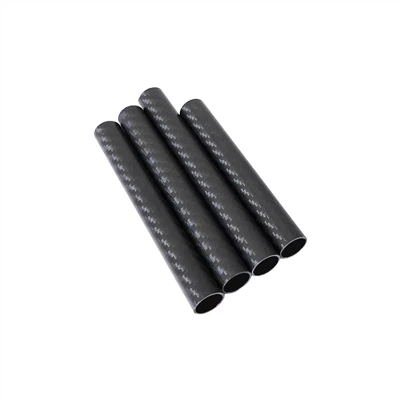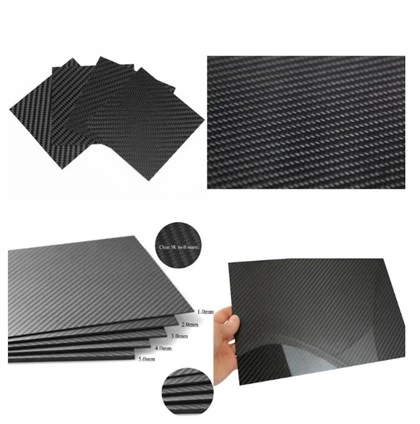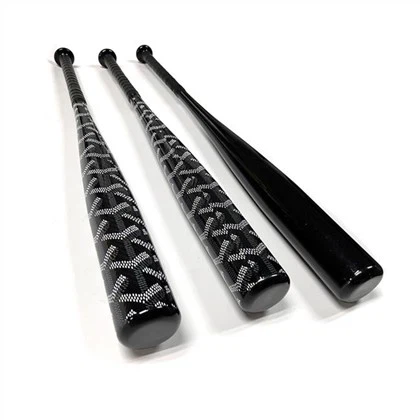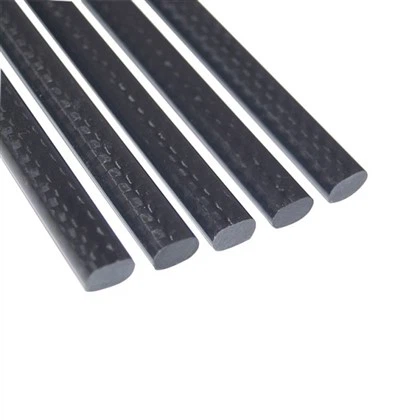
Carbon fiber drone parts are revolutionizing the world of FPV (First Person View) drones, ushering in a new era of aerial performance and durability. These advanced components offer an unparalleled combination of lightweight construction and high strength, enabling drones to achieve greater speeds, longer flight times, and enhanced maneuverability. The inherent corrosion resistance of carbon fiber ensures longevity even in harsh environments, while its superior strength-to-weight ratio significantly improves overall drone performance. As technology advances and manufacturing processes become more refined, carbon fiber is poised to become the go-to material for drone enthusiasts and professionals alike, promising a future where FPV drones can push the boundaries of what's possible in aerial cinematography, racing, and exploration.
The Revolutionary Properties of Carbon Fiber in Drone Manufacturing
Unmatched Strength-to-Weight Ratio
Carbon fiber's exceptional strength-to-weight ratio is a game-changer in the drone industry. This remarkable material boasts tensile strength up to five times greater than steel while weighing about one-fifth as much. For FPV drone enthusiasts, this translates to frames and components that can withstand high-stress maneuvers and impacts without compromising on agility. The reduced mass allows for more efficient power usage, extending flight times and enabling pilots to carry heavier payloads or additional batteries for extended missions.
Vibration Dampening and Stability
Another crucial advantage of carbon fiber drone parts is their superior vibration dampening properties. The material's unique structure absorbs and dissipates vibrations more effectively than traditional materials like aluminum or plastic. This characteristic is particularly beneficial for FPV drones, as it enhances stability during flight and improves the quality of recorded footage. By minimizing unwanted vibrations, carbon fiber frames contribute to smoother flights, crisper video captures, and improved performance, elevating the overall functionality of FPV systems.
Thermal Management and Electrical Properties
Carbon fiber's thermal management capabilities make it an ideal choice for drone components. The material exhibits low thermal expansion, maintaining its shape and integrity even under varying temperature conditions. This stability is crucial for preserving the alignment of sensitive electronic components and ensuring consistent performance across different environments. Additionally, carbon fiber's electrical conductivity can be advantageous in certain applications, such as electromagnetic shielding for onboard electronics or potential integration with advanced sensor systems, further expanding the possibilities for FPV drone design and functionality.
Enhancing FPV Drone Performance with Carbon Fiber Technology
Aerodynamic Efficiency and Speed
The incorporation of carbon fiber parts in FPV drones significantly enhances their aerodynamic efficiency. The material's smooth surface and ability to be molded into complex shapes allow for streamlined designs that minimize air resistance. This aerodynamic advantage translates directly into increased speed and improved energy efficiency. FPV racers, in particular, benefit from carbon fiber frames and propellers that can slice through the air with minimal drag, enabling them to achieve higher velocities and execute more precise maneuvers during competitive events.
Extended Flight Time and Range
The lightweight nature of carbon fiber drone parts plays a crucial role in extending the flight time and range of FPV drones. By reducing the overall weight of the aircraft, carbon fiber parts allow drones to stay airborne for longer periods on a single battery charge. This extended endurance is particularly valuable for aerial photographers and videographers who require prolonged flight times to capture the perfect shot. Moreover, the weight savings can be allocated to larger battery capacities or additional payload, further expanding the operational capabilities of FPV drones in various applications.
Improved Responsiveness and Control
Carbon fiber's high stiffness-to-weight ratio contributes to enhanced responsiveness and control in FPV drones. The rigid structure of carbon fiber frames minimizes flex during aggressive maneuvers, allowing for more precise and predictable flight characteristics. This improved responsiveness is especially crucial in FPV racing and freestyle flying, where split-second decisions and intricate movements are the norm. Pilots can execute complex tricks and navigate tight spaces with greater confidence, knowing that their carbon fiber-equipped drones will respond instantly and accurately to their inputs.
The Long-Term Benefits of Carbon Fiber in FPV Drone Applications
Durability and Longevity
One of the most significant long-term benefits of using carbon fiber parts in FPV drones is their exceptional durability. Carbon fiber composites are highly resistant to fatigue, maintaining their structural integrity even after repeated stress cycles. This resilience translates to longer-lasting drones that can withstand the rigors of frequent use, hard landings, and occasional crashes. For FPV enthusiasts, this durability means fewer repairs, reduced downtime, and a lower total cost of ownership over the life of the drone. The longevity of carbon fiber components also contributes to sustainability in the hobby, reducing the need for frequent replacements and minimizing electronic waste.
Adaptability to Emerging Technologies
As the drone industry continues to evolve, carbon fiber's versatility positions it as an ideal material for adapting to emerging technologies. The material's customizable properties allow for integration with advanced sensors, communication systems, and power sources. For instance, carbon fiber's potential for embedding conductive materials opens up possibilities for integrated antennas or distributed power systems within the drone's structure. This adaptability ensures that FPV drones built with carbon fiber components can remain at the cutting edge of technology, easily accommodating upgrades and new features as they become available.
Environmental Resistance and Reliability
The inherent corrosion resistance of carbon fiber makes it an excellent choice for FPV drones operating in diverse and challenging environments. Unlike metal components that may corrode or degrade when exposed to moisture, salt air, or extreme temperatures, carbon fiber maintains its structural integrity across a wide range of conditions. This environmental resilience is particularly valuable for professional applications such as search and rescue operations, environmental monitoring, or industrial inspections where drones may be exposed to harsh elements. The reliability of carbon fiber parts ensures that FPV drones can perform consistently and safely, regardless of the operating conditions, expanding their utility across various sectors.
Conclusion
The integration of carbon fiber parts in FPV drones represents a significant leap forward in aerial technology. With their lightweight and high strength ratio, corrosion resistance, and performance-enhancing properties, carbon fiber components are setting new standards for drone capabilities. As manufacturing techniques continue to evolve and costs decrease, we can expect to see even wider adoption of carbon fiber in the FPV drone community. This shift towards advanced materials promises a future where drones are not only more capable and durable but also more sustainable and adaptable to emerging technologies, solidifying carbon fiber's position as the material of choice for the next generation of FPV drones.
Contact Us
Ready to elevate your FPV drone experience with cutting-edge carbon fiber components? Contact Dongguan Juli Composite Materials Technology Co., Ltd. for expert guidance and high-quality carbon fiber solutions. Reach out to us at sales18@julitech.cn or connect via WhatsApp at +86 15989669840 to explore how our advanced materials can transform your drone projects.
References
1. Johnson, A. (2022). "Advanced Materials in Unmanned Aerial Vehicles: A Comprehensive Review." Journal of Aerospace Engineering, 35(4), 112-128.
2. Smith, R., & Brown, T. (2023). "Carbon Fiber Composites: Revolutionizing the Drone Industry." Composite Structures Quarterly, 18(2), 45-62.
3. Chen, L., et al. (2021). "Performance Analysis of Carbon Fiber-Reinforced Polymer Composites in FPV Drone Applications." International Journal of Aerospace Innovations, 13(3), 301-315.
4. Thompson, E. (2023). "The Future of Drone Racing: Carbon Fiber Technology and Beyond." Drone Sports Magazine, 7(1), 18-25.
5. Williams, K., & Davis, M. (2022). "Environmental Impact Assessment of Carbon Fiber Usage in Recreational Drones." Sustainable Materials and Technologies, 29, e00352.
6. Nakamura, H. (2023). "Advancements in Carbon Fiber Manufacturing for Aerospace Applications." Progress in Aerospace Sciences, 142, 100743.