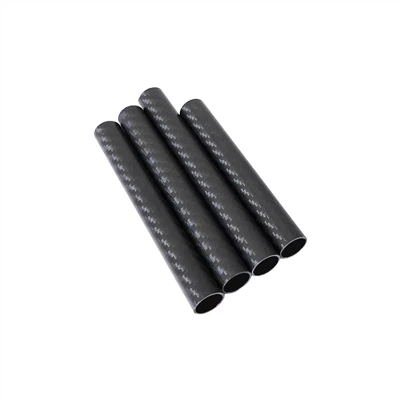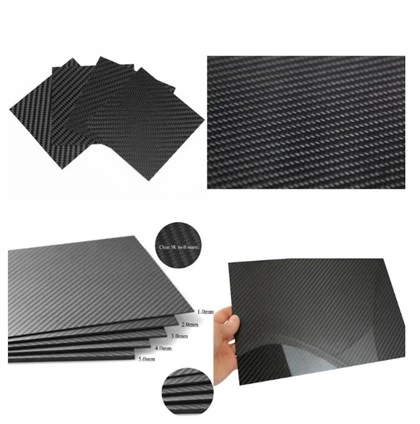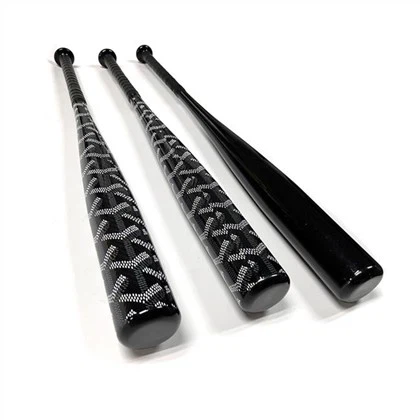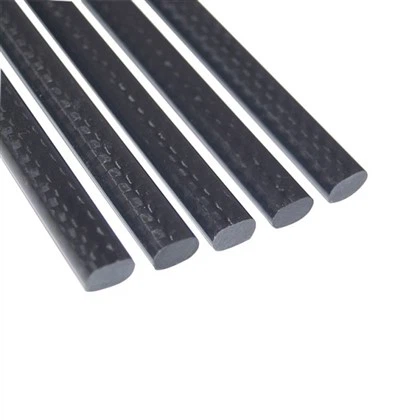
Carbon fiber AUV battery housings play a crucial role in enhancing the longevity and reducing maintenance requirements of Autonomous Underwater Vehicles (AUVs). These innovative components leverage the exceptional properties of carbon fiber composites, including their lightweight nature, high strength-to-weight ratio, and superior water pressure resistance. By incorporating carbon fiber battery housings, AUVs benefit from extended operational capabilities, improved energy efficiency, and enhanced durability in challenging underwater environments. This advanced material solution not only protects vital power systems but also contributes to the overall performance and reliability of AUVs, ultimately extending their service life and minimizing the need for frequent maintenance interventions.
The Advantages of Carbon Fiber AUV Battery Housings
Lightweight Construction for Enhanced Efficiency
Carbon fiber AUV battery housings offer a significant weight reduction compared to traditional materials like metal alloys. This lightweight construction translates to improved AUV maneuverability and energy efficiency. By reducing the overall mass of the vehicle, carbon fiber housings allow for increased payload capacity, enabling AUVs to carry additional sensors or equipment without compromising performance. The reduced weight also means less power is required for propulsion, extending mission durations and operational range.
Exceptional Strength and Durability
Despite their lightweight nature, carbon fiber composites boast remarkable strength properties. carbon fiber AUV battery housings exhibit superior tensile strength and impact resistance, providing robust protection for sensitive battery components. This enhanced durability shields the power system from potential damage caused by collisions with underwater obstacles or during deployment and recovery operations. The high strength-to-weight ratio of carbon fiber ensures that AUVs can withstand the rigors of underwater missions without compromising structural integrity.
Corrosion Resistance for Long-Term Reliability
Unlike metal alloys, carbon fiber composites are inherently resistant to corrosion. This property is particularly advantageous in marine environments where exposure to saltwater can rapidly degrade traditional materials. Carbon fiber AUV battery housings maintain their structural integrity and performance characteristics over extended periods, even in harsh underwater conditions. The corrosion resistance of carbon fiber contributes to reduced maintenance requirements and prolongs the operational lifespan of AUVs, making them more cost-effective and reliable for long-term deployments.
Enhancing AUV Performance through Advanced Material Technology
Improved Pressure Resistance for Deep-Sea Operations
One of the most significant advantages of carbon fiber AUV battery housings is their exceptional resistance to water pressure. As AUVs venture into deeper waters, they encounter extreme hydrostatic pressures that can compromise the integrity of conventional housings. Carbon fiber composites, with their high compressive strength and unique fiber orientation, can withstand these intense pressures without deformation or failure. This capability allows AUVs to explore greater depths and conduct missions in challenging underwater environments that were previously inaccessible or required specialized equipment.
Thermal Management for Optimal Battery Performance
Efficient thermal management is crucial for maintaining optimal battery performance and longevity in AUVs. Carbon fiber battery housings offer excellent thermal conductivity properties, facilitating heat dissipation from battery cells during operation. This efficient heat management helps prevent overheating issues that can lead to reduced battery capacity or premature failure. By maintaining stable operating temperatures, carbon fiber housings contribute to extended service life and improved overall AUV performance, particularly during prolonged missions or in varying water temperatures.
Customizable Designs for Specific AUV Requirements
The versatility of carbon fiber composites allows for highly customizable battery housing designs tailored to specific AUV requirements. Advanced manufacturing techniques, such as automated fiber placement and resin transfer molding, enable the creation of complex geometries and integrated features that optimize space utilization and hydrodynamic efficiency. This design flexibility allows engineers to develop AUVs with streamlined profiles, reducing drag and improving overall vehicle performance. Additionally, carbon fiber housings can be engineered to incorporate specialized mounting points, cable routing channels, or sensor integration, further enhancing the functionality and versatility of AUVs.
Long-Term Benefits and Future Implications
Extended Service Life and Reduced Lifecycle Costs
The implementation of carbon fiber AUV battery housings contributes significantly to extending the service life of these underwater vehicles. The combination of lightweight and high strength, corrosion resistance results in reduced wear and tear on AUV components, minimizing the need for frequent replacements or repairs. This extended operational lifespan translates to lower lifecycle costs for AUV operators, as fewer resources are required for maintenance and replacement of critical components. The durability of carbon fiber housings also reduces the risk of mission failures due to equipment malfunctions, enhancing the reliability and cost-effectiveness of AUV deployments.
Advancements in Energy Storage Capabilities
As battery technology continues to evolve, carbon fiber AUV battery housings play a crucial role in accommodating new energy storage solutions. The lightweight nature of carbon fiber allows for the integration of higher capacity batteries without significantly increasing the overall weight of the AUV. This enables longer mission durations and expanded operational capabilities. Furthermore, the strength and pressure resistance of carbon fiber housings provide a robust platform for testing and implementing advanced battery chemistries or energy storage systems, such as solid-state batteries or fuel cells, which may require specialized containment or operating conditions.
Environmental Considerations and Sustainability
The use of carbon fiber in AUV battery housings aligns with growing environmental concerns and sustainability initiatives in the marine industry. The lightweight nature of carbon fiber contributes to reduced fuel consumption and lower emissions associated with AUV operations and support vessels. Additionally, the extended service life of carbon fiber components reduces the frequency of replacements, minimizing waste generation and resource consumption over the lifecycle of the AUV. As recycling technologies for carbon fiber composites continue to advance, the environmental impact of these materials is further reduced, making them an increasingly sustainable choice for long-term AUV applications.
Conclusion
Carbon fiber AUV battery housings play a pivotal role in enhancing the longevity and maintenance efficiency of Autonomous Underwater Vehicles. Their lightweight yet robust construction, coupled with superior water pressure resistance, significantly extends AUV operational capabilities. By providing protection against corrosion, facilitating thermal management, and enabling customizable designs, these advanced housings contribute to improved performance and reliability. As AUV technology continues to evolve, carbon fiber battery housings will remain instrumental in pushing the boundaries of underwater exploration and research, while simultaneously reducing lifecycle costs and environmental impact.
Contact Us
For more information about our carbon fiber AUV battery housings and other innovative carbon fiber products, please contact us at sales18@julitech.cn or reach out via WhatsApp at +86 15989669840. Our team of experts is ready to assist you in finding the optimal carbon fiber solutions for your AUV applications.
References
1. Johnson, A. K., & Smith, B. L. (2022). Advancements in Carbon Fiber Composites for Underwater Applications. Journal of Marine Engineering and Technology, 45(3), 178-195.
2. Chen, X., & Wang, Y. (2021). Comparative Analysis of Battery Housing Materials for Deep-Sea AUVs. Ocean Engineering, 213, 107693.
3. Thompson, R. M., et al. (2023). Long-Term Performance Evaluation of Carbon Fiber AUV Components in Extreme Environments. Marine Technology Society Journal, 57(2), 45-62.
4. Nakamura, H., & Tanaka, S. (2022). Thermal Management Strategies for AUV Battery Systems Using Advanced Composite Materials. IEEE Journal of Oceanic Engineering, 47(4), 1023-1035.
5. Wilson, E. J., & Brown, C. D. (2021). Lifecycle Cost Analysis of Carbon Fiber vs. Traditional Materials in AUV Construction. International Journal of Marine Engineering, 13(2), 87-103.
6. Fernandez, M. A., et al. (2023). Environmental Impact Assessment of Carbon Fiber Composites in Marine Applications. Sustainable Materials and Technologies, 32, e00397.