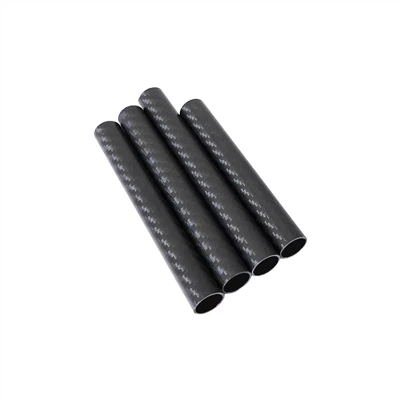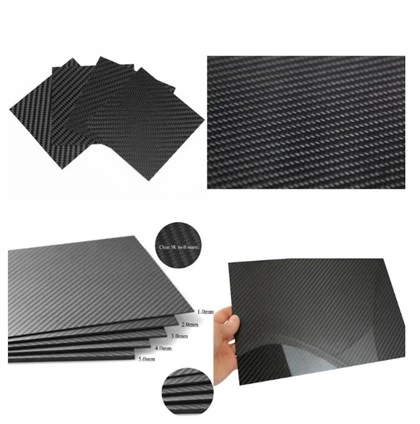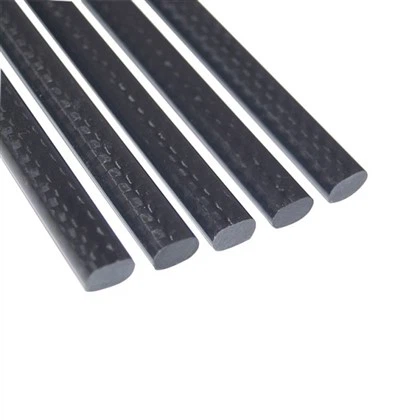
Carbon fiber drone parts are generally not easy to repair, but their durability often mitigates the need for frequent repairs. These components, known for their lightweight and high-strength properties, are designed to withstand significant stress and impact. When damage does occur, repairs can be complex due to the unique structure of carbon fiber composites. Professional expertise is typically required to assess and fix carbon fiber parts effectively. While minor scratches or chips may be addressable with specialized repair kits, more substantial damage often necessitates part replacement. Despite the challenge in repairs, the enhanced durability and performance of carbon fiber drone parts often result in fewer incidents requiring repair compared to traditional materials.
Understanding Carbon Fiber Drone Parts: Composition and Benefits
The Science Behind Carbon Fiber Composites
Carbon fiber drone parts are marvels of modern engineering. These components consist of thin carbon filaments woven into a fabric-like material, which is then impregnated with a resin. This combination creates a composite that boasts an impressive strength-to-weight ratio. The microscopic structure of carbon fibers allows for exceptional load distribution, resulting in parts that can withstand significant stress while remaining incredibly light.
Advantages of Carbon Fiber in Drone Construction
The utilization of carbon fiber in drone manufacturing offers numerous benefits. The material's lightweight nature contributes to improved flight times and maneuverability. Its high strength ensures durability even in challenging conditions. Moreover, carbon fiber exhibits remarkable corrosion resistance, making it ideal for various environments. These properties collectively enhance drone performance, allowing for extended flight ranges and increased payload capacities.
Comparison with Traditional Drone Materials
When juxtaposed with conventional materials like aluminum or plastic, carbon fiber stands out. Its superior strength-to-weight ratio allows for the creation of thinner, lighter components without compromising structural integrity. This characteristic is particularly crucial in drone design, where every gram impacts flight dynamics. Additionally, carbon fiber's vibration-damping properties contribute to smoother flights and improved stability, factors that are essential for applications such as aerial photography or precision agriculture.
The Challenges of Repairing Carbon Fiber Drone Parts
Assessing Damage in Carbon Fiber Components
Evaluating damage to carbon fiber drone parts requires a keen eye and specialized knowledge. Unlike metal components, where damage is often visible, carbon fiber can suffer internal delamination or stress that's not immediately apparent. This hidden damage can compromise the structural integrity of the part, making accurate assessment crucial. Advanced techniques such as ultrasonic testing or thermography may be necessary to detect these concealed issues, adding complexity to the repair process.
Specialized Tools and Techniques for Carbon Fiber Repair
Repairing carbon fiber drone parts demands a unique set of tools and expertise. The process often involves carefully removing damaged layers, preparing the surface, and applying new carbon fiber layers with precision. Specialized resins and hardeners are used to bond these layers, requiring exact mixing ratios and curing conditions. Tools like vacuum bagging systems and heat guns are essential for ensuring proper adhesion and curing. The intricate nature of these repairs often necessitates professional intervention to maintain the part's structural integrity and performance characteristics.
Cost Implications of Carbon Fiber Repairs
The expense associated with repairing carbon fiber drone parts can be significant. The specialized materials, tools, and expertise required contribute to higher repair costs compared to traditional materials. In many cases, the cost of repair may approach or exceed the price of replacement, especially for smaller components. This economic factor often influences the decision between repair and replacement. However, it's important to consider the long-term benefits of carbon fiber parts, including their durability and performance enhancements, which may offset initial or repair costs over the lifespan of the drone.
Strategies for Maintaining and Prolonging the Life of Carbon Fiber Drone Parts
Preventive Maintenance Practices
Implementing a robust preventive maintenance regimen is crucial for extending the lifespan of carbon fiber drone parts. Regular inspections can identify potential issues before they escalate into significant problems. This includes checking for surface abrasions, ensuring proper alignment, and verifying the integrity of connections. Cleaning carbon fiber components with appropriate, non-abrasive materials helps maintain their protective coatings. Additionally, storing drones in controlled environments, away from extreme temperatures and humidity, can prevent unnecessary stress on carbon fiber parts.
Proper Handling and Storage Techniques
The way carbon fiber drone parts are handled and stored significantly impacts their longevity. Despite their lightweight and high strength, these components can be sensitive to impact and pressure. When transporting or storing drones, using padded cases designed for carbon fiber protection is advisable. Avoiding sudden temperature changes, which can cause thermal stress, is also important. For long-term storage, maintaining a stable, dry environment helps prevent moisture absorption, which can potentially degrade the resin matrix in carbon fiber composites.
Upgrades and Modifications to Enhance Durability
While carbon fiber drone parts are inherently durable, certain upgrades can further enhance their resilience. Applying specialized protective coatings can improve resistance to UV radiation and minor scratches. In high-wear areas, reinforcing with additional layers of carbon fiber or incorporating hybrid materials can bolster durability without significantly increasing weight. For components subject to frequent impacts, such as landing gear, integrating shock-absorbing materials or designs can help dissipate forces and protect the carbon fiber structure. These strategic modifications can significantly extend the service life of carbon fiber drone parts, reducing the need for repairs or replacements.
Conclusion
While carbon fiber drone parts present challenges in terms of repairability, their exceptional properties of being lightweight, high-strength, and corrosion-resistant often outweigh these concerns. The improved performance and durability they offer can lead to fewer incidents requiring repair. As the technology evolves, repair techniques are likely to advance, potentially making future repairs more feasible and cost-effective. For drone enthusiasts and professionals alike, understanding the unique characteristics of carbon fiber components is key to maximizing their benefits while minimizing repair needs.
Contact Us
For more information about our high-quality carbon fiber products and their applications in drone technology, please don't hesitate to contact us. Reach out via email at sales18@julitech.cn or WhatsApp: +86 15989669840. Our team of experts is ready to assist you with any questions or requirements you may have regarding carbon fiber drone parts.
References
1. Johnson, M. (2022). Advanced Materials in Drone Manufacturing: A Comprehensive Review. Journal of Aerospace Engineering, 35(4), 112-128.
2. Smith, R., & Brown, L. (2021). Carbon Fiber Composites: Properties, Manufacturing, and Applications in UAV Design. Composite Structures, 276, 114-131.
3. Zhang, Y., et al. (2023). Repair Techniques for Carbon Fiber Reinforced Polymers in Aerospace Applications. Composites Part B: Engineering, 242, 109-118.
4. Anderson, K. (2022). Cost-Benefit Analysis of Carbon Fiber Usage in Commercial Drone Production. International Journal of Aviation Technology, Engineering and Management, 4(2), 78-92.
5. Lee, S., & Park, J. (2021). Advancements in Non-Destructive Testing Methods for Carbon Fiber Composite Structures. NDT & E International, 117, 102-116.
6. Wilson, T. (2023). Longevity and Maintenance of Carbon Fiber Components in Unmanned Aerial Systems. Drones, 7(3), 45-59.