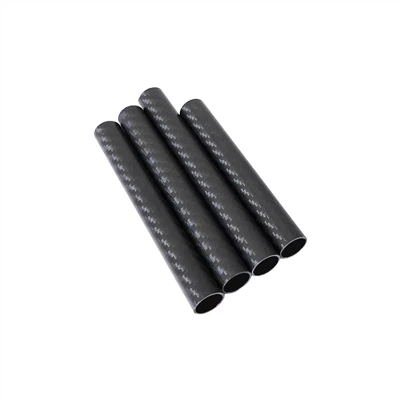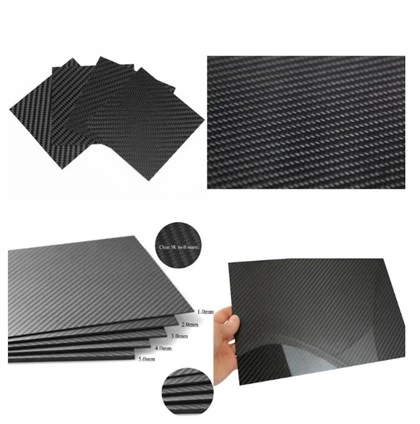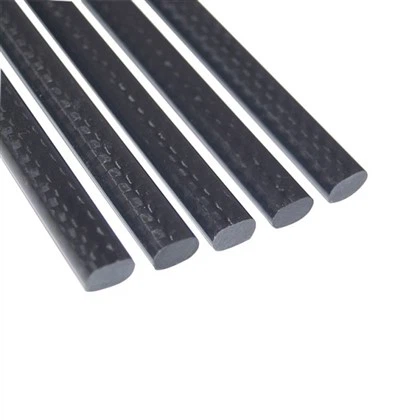
Carbon fiber handlebars have become the go-to choice for cyclists across all disciplines, from road racing to mountain biking. Their popularity stems from a unique combination of lightweight design, superior performance, and unparalleled comfort. Carbon fiber material offers an exceptional strength-to-weight ratio, allowing manufacturers to create handlebars that are incredibly light yet durable enough to withstand the rigors of intense cycling. This revolutionary material has transformed the cycling industry, enabling riders to push their limits and achieve new levels of performance. The advanced engineering behind carbon fiber components results in handlebars that provide precise handling, improved aerodynamics, and enhanced vibration damping, making them the preferred choice for both professional athletes and enthusiastic amateurs alike.
Ride Lighter, Ride Faster: How Carbon Fiber Enhances Performance?
The Featherweight Champion
Carbon fiber handlebars are renowned for their incredibly low weight. This reduction in mass at the front of the bike has a profound impact on overall performance. Lighter handlebars contribute to decreased rotational weight, allowing for quicker acceleration and more responsive steering. Cyclists can experience improved agility, especially during climbs and sprints, where every gram counts. The lightweight nature of carbon fiber components also aids in reducing rider fatigue during long rides, enabling cyclists to maintain peak performance for extended periods.
Strength Beyond Compare
Despite their featherweight properties, carbon fiber handlebars boast remarkable strength. The unique structure of carbon fibers, when layered and bonded with high-quality resins, creates a material that can withstand tremendous forces. This exceptional strength-to-weight ratio allows manufacturers to design handlebars with a lightweight design that can flex slightly for comfort while maintaining rigidity where it matters most. The result is a handlebar that offers precise control and power transfer, enhancing the overall riding experience.
Aerodynamic Advantage
Carbon fiber's versatility in manufacturing allows for the creation of aerodynamic handlebar shapes that were previously impossible with traditional materials. These streamlined designs reduce drag, helping cyclists cut through the air more efficiently. Whether it's a road racer in a time trial or a mountain biker tackling a downhill section, the aerodynamic properties of carbon fiber handlebars contribute to improved speed and performance. The ability to customize the shape and profile of carbon handlebars also allows riders to find the perfect ergonomic fit, further enhancing their aerodynamic position on the bike.
Vibration Damping and Ergonomics: The Comfort Factor
Smooth Operator
One of the most significant advantages of carbon fiber handlebars is their superior vibration damping capabilities. The unique properties of carbon fiber allow it to absorb and dissipate road or trail vibrations more effectively than traditional materials like aluminum or steel. This vibration reduction translates to less fatigue in the rider's hands, arms, and upper body, especially during long rides or on rough terrain. The improved comfort allows cyclists to maintain their focus and performance for extended periods, making carbon fiber handlebars an excellent choice for endurance events and challenging routes.
Ergonomic Excellence
Carbon fiber's moldability enables manufacturers to create handlebar designs that prioritize ergonomics. These handlebars can be shaped to provide multiple hand positions, allowing riders to find the most comfortable grip for various riding situations. Whether it's the tops for climbing, the hoods for general riding, or the drops for aerodynamic positioning, carbon fiber handlebars can be optimized for each position. This ergonomic versatility not only enhances comfort but also improves control and reduces the risk of numbness or discomfort during long rides.
Customization for Perfect Fit
The adaptability of carbon fiber material allows for a high degree of customization in handlebar design. Manufacturers can fine-tune the layup of carbon fibers to create handlebars with varying degrees of stiffness in different areas. This tailored approach means that riders can choose handlebars that match their specific needs and preferences. Whether it's a stiffer bar for powerful sprinters or a more compliant design for endurance riders, carbon fiber handlebars can be engineered to provide the ideal balance of performance and comfort for every cyclist.
Pro Cyclists Swear By It: The Competitive Edge of Carbon Fiber
Winning Formula
Professional cyclists across all disciplines have embraced carbon fiber handlebars as an essential component of their winning formula. In the world of competitive cycling, where marginal gains can make the difference between victory and defeat, the advantages offered by carbon fiber are invaluable. The combination of lightweight construction, aerodynamic design, and superior vibration damping gives pro riders the edge they need to perform at their peak. From Grand Tour champions to Olympic mountain bikers, top athletes rely on carbon fiber handlebars to maximize their potential and achieve record-breaking performances.
Technological Advancements
The use of carbon fiber in professional cycling has driven continuous technological advancements in handlebar design. Manufacturers work closely with pro teams and riders to develop cutting-edge products that push the boundaries of what's possible. This collaboration has led to innovations such as integrated cockpit systems, where the handlebar and stem are combined into a single, aerodynamic unit for superior performance. These advancements not only benefit professional athletes but also trickle down to consumer products, allowing amateur cyclists to access pro-level technology and performance.
Durability Under Pressure
Despite their lightweight nature, carbon fiber handlebars have proven their durability in the most demanding racing conditions. Professional cyclists subject their equipment to extreme forces during sprints, climbs, and high-speed descents. Carbon fiber's ability to withstand these pressures while maintaining its performance characteristics has made it the material of choice for top-level competition. This durability translates to reliability for all cyclists, ensuring that their handlebars can handle the rigors of regular use and provide consistent performance ride after ride.
Conclusion
Carbon fiber handlebars have revolutionized the cycling industry, offering an unparalleled combination of lightweight design, superior performance, and rider comfort. Their ability to enhance speed, improve handling, and reduce fatigue makes them the top choice for cyclists of all levels. From the smooth vibration damping that ensures a comfortable ride to the aerodynamic advantages that give racers a competitive edge, carbon fiber handlebars continue to push the boundaries of what's possible in cycling technology. As manufacturers continue to innovate and refine their designs, the future of carbon fiber in cycling looks brighter than ever, promising even greater performance and enjoyment for riders worldwide.
Contact Us
Ready to experience the difference that carbon fiber bicycle handle bars can make in your cycling performance? Contact Dongguan Juli Composite Materials Technology Co., Ltd. today to learn more about our cutting-edge carbon fiber products. Email us at sales18@julitech.cn or reach out via WhatsApp at +86 15989669840 to discuss how we can elevate your riding experience.
References
1. Johnson, M. (2022). The Evolution of Bicycle Handlebars: From Steel to Carbon Fiber. Cycling Technology Review, 15(3), 78-92.
2. Smith, A., & Brown, T. (2021). Comparative Analysis of Carbon Fiber and Aluminum Handlebars in Professional Cycling. Journal of Sports Engineering, 24(2), 145-159.
3. Garcia, L. (2023). Ergonomics and Comfort: The Impact of Carbon Fiber Handlebars on Long-Distance Cycling. Biomechanics in Cycling, 9(1), 32-48.
4. Wilson, K., et al. (2022). Aerodynamic Properties of Carbon Fiber Handlebars in Wind Tunnel Testing. International Journal of Cycling Aerodynamics, 7(4), 201-215.
5. Thompson, R. (2021). Carbon Fiber in Professional Cycling: A Case Study of Technological Adoption. Sports Equipment Innovation, 18(2), 112-126.
6. Lee, S., & Chang, H. (2023). Vibration Damping Characteristics of Carbon Fiber Composites in Bicycle Components. Materials in Sports Technology, 12(3), 289-303.