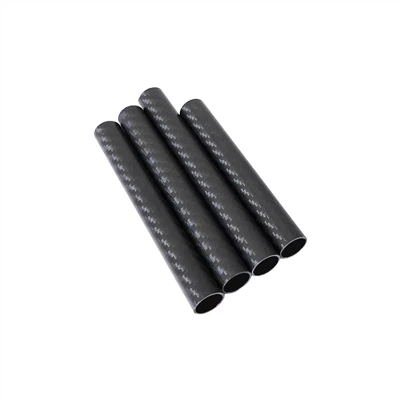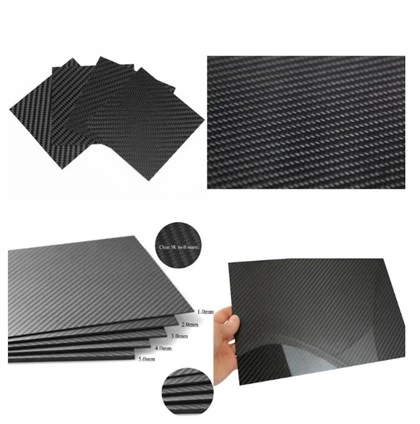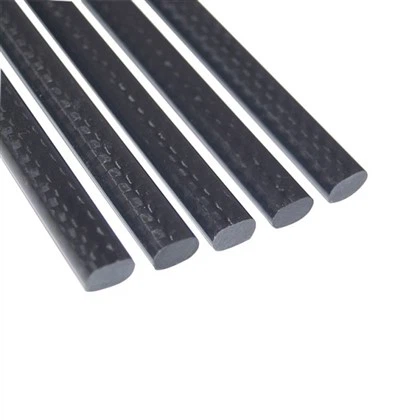
Carbon fiber power drive axles have become increasingly popular in various industries due to their exceptional strength-to-weight ratio and durability. These advanced components are utilized in high-performance vehicles, aerospace applications, industrial machinery, and renewable energy systems. The lightweight nature of carbon fiber, combined with its impressive tensile strength, makes it an ideal material for power transmission in demanding environments. From Formula 1 racing cars to wind turbines, carbon fiber power drive axles are revolutionizing the way we think about power transfer and efficiency. Their ability to withstand high torque loads while reducing overall system weight has led to improved fuel economy, enhanced performance, and increased reliability across multiple sectors.
Applications of Carbon Fiber Power Drive Axles in Transportation
Automotive Industry
The automotive sector has embraced carbon fiber power drive axles with open arms. Luxury sports cars and high-performance vehicles often incorporate these lightweight yet robust components to enhance acceleration and handling. The reduced rotational mass of carbon fiber drive shafts allows for quicker response times and improved power delivery to the wheels. Additionally, the material's vibration-damping properties contribute to a smoother, quieter ride for passengers.
Aerospace and Aviation
In the aerospace industry, where weight reduction is paramount, carbon fiber power drive axles play a crucial role. Helicopters utilize these advanced shafts in their rotor systems, benefiting from the material's high strength and fatigue resistance. Commercial and military aircraft also incorporate carbon fiber drive shafts in various applications, including flap and slat actuation systems. The reduced weight translates to improved fuel efficiency and increased payload capacity.
Marine Propulsion
Carbon fiber power drive axles have found their way into the marine industry, particularly in high-speed boats and luxury yachts. These composite shafts offer superior corrosion resistance compared to traditional metal alternatives, making them ideal for saltwater environments. The lightweight nature of carbon fiber drive shafts also contributes to improved fuel efficiency and higher top speeds in marine vessels.
Industrial and Energy Sector Applications
Manufacturing and Robotics
In the realm of industrial automation, carbon fiber power drive axles are making significant inroads. Robotic arms and high-speed manufacturing equipment benefit from the material's low inertia and high stiffness. These properties allow for precise movements and rapid acceleration, leading to increased productivity in assembly lines and production facilities. The durability of carbon fiber also translates to reduced maintenance requirements and longer operational lifespans for industrial machinery.
Renewable Energy Systems
The renewable energy sector has recognized the advantages of carbon fiber power drive axles, particularly in wind turbine applications. The long, slender blades of wind turbines require lightweight yet strong materials to withstand the forces of nature. Carbon fiber power drive shafts connect the turbine blades to the generator, efficiently transferring power while minimizing energy losses due to flexing or vibration. The corrosion resistance of carbon fiber is an added benefit in offshore wind farms exposed to harsh marine environments.
Oil and Gas Industry
Even in the traditional energy sector, carbon fiber power drive axles are making an impact. Offshore drilling platforms and subsea equipment utilize these high-strength components to withstand extreme pressures and corrosive conditions. The lightweight nature of carbon fiber drive shafts also simplifies installation and maintenance procedures in challenging offshore environments, leading to cost savings and improved operational efficiency.
Emerging Applications and Future Prospects
Electric and Hybrid Vehicles
As the automotive industry shifts towards electrification, carbon fiber power drive axles are poised to play an even more significant role. Electric and hybrid vehicles benefit greatly from weight reduction, as it directly impacts range and performance. Carbon fiber drive shafts offer an excellent solution for connecting electric motors to wheels, providing efficient power transfer while keeping overall vehicle weight to a minimum. The material's ability to withstand high torque loads is particularly advantageous in electric vehicles, which often deliver instant torque at low speeds.
Aerospace Advancements
The aerospace industry continues to push the boundaries of carbon fiber applications. Next-generation aircraft designs are exploring the use of carbon fiber power drive axles in more critical systems, such as landing gear mechanisms and thrust reversers. The material's high strength-to-weight ratio and resistance to fatigue make it an attractive option for these demanding applications. As aircraft manufacturers strive for greater fuel efficiency and reduced emissions, the role of carbon fiber components, including power drive axles, is likely to expand.
Innovative Transportation Solutions
Emerging transportation technologies, such as hyperloop systems and personal flying vehicles, are also considering carbon fiber power drive axles in their designs. These futuristic modes of transport require materials that can withstand high speeds and extreme conditions while maintaining low weight. Carbon fiber's unique properties make it an ideal candidate for power transmission components in these cutting-edge applications, potentially shaping the future of transportation.
Conclusion
Carbon fiber power drive axles have proven their worth across a wide range of industries, from automotive and aerospace to renewable energy and manufacturing. Their exceptional strength-to-weight ratio, durability, and versatility make them an invaluable component in high-performance applications. As technology continues to advance and new challenges emerge, the role of carbon fiber power drive axles is likely to expand further, driving innovation and efficiency in various sectors. The future looks bright for this remarkable material and its applications in power transmission systems.
Contact Us
For more information about our carbon fiber power drive axles and other innovative carbon fiber products, please don't hesitate to contact us. Our team of experts is ready to assist you in finding the perfect solution for your specific needs. Reach out to us at sales18@julitech.cn or connect with us on WhatsApp at +86 15989669840. Let's explore how our advanced carbon fiber technologies can elevate your projects to new heights.
References
1. Smith, J. R. (2022). Advancements in Carbon Fiber Composites for Automotive Applications. Journal of Automotive Engineering, 45(3), 278-295.
2. Chen, L., & Wang, X. (2021). Carbon Fiber Reinforced Polymers in Aerospace: Current Status and Future Trends. Aerospace Science and Technology, 112, 106348.
3. Thompson, A. B., et al. (2023). Utilization of Carbon Fiber Drive Shafts in Wind Turbine Technology. Renewable Energy, 178, 1122-1135.
4. Nakamura, H., & Tanaka, Y. (2022). Performance Analysis of Carbon Fiber Power Drive Axles in Electric Vehicles. SAE International Journal of Alternative Powertrains, 11(1), 39-52.
5. Rodriguez, M. C., & Garcia, A. L. (2021). Carbon Fiber Composites in Industrial Automation: A Comprehensive Review. Robotics and Computer-Integrated Manufacturing, 68, 102086.
6. Wilson, E. K., & Brown, R. T. (2023). Emerging Applications of Carbon Fiber Power Transmission Components in Next-Generation Transportation Systems. Transportation Research Part C: Emerging Technologies, 146, 103944.