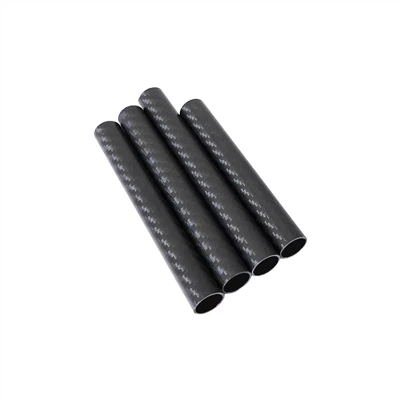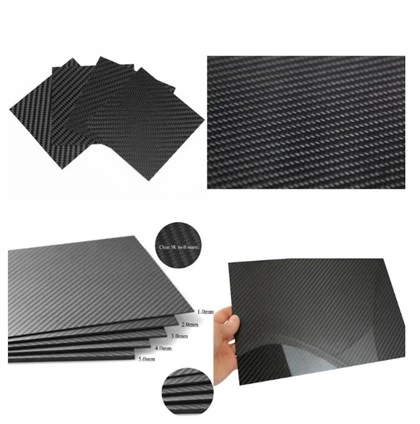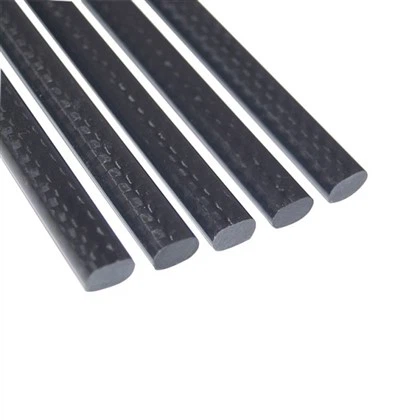
Carbon fiber bicycle seatposts have gained immense popularity among cycling enthusiasts for their exceptional blend of comfort and performance. These innovative components offer a unique riding experience, combining lightweight construction with impressive strength. The inherent vibration-damping properties of carbon fiber contribute significantly to rider comfort, absorbing road chatter and small bumps that would otherwise be transmitted directly to the cyclist. Moreover, the material's ability to be engineered for specific flex patterns allows manufacturers to fine-tune the ride quality, providing a balance between rigidity for power transfer and compliance for comfort. While individual preferences may vary, many cyclists report reduced fatigue and increased comfort on long rides when using carbon fiber seatposts, making them a compelling choice for those seeking to enhance their cycling experience.
The Science Behind Carbon Fiber Seatpost Comfort
Material Properties and Vibration Damping
Carbon fiber's unique molecular structure plays a crucial role in its comfort-enhancing capabilities. The material's anisotropic nature allows engineers to manipulate its properties in specific directions, creating seatposts that flex vertically to absorb vibrations while remaining laterally stiff for efficient power transfer. This targeted flexibility is particularly beneficial on rough roads or during long rides, where accumulated vibrations can lead to rider fatigue.
The damping characteristics of carbon fiber are superior to traditional materials like aluminum or steel. When subjected to vibrations, carbon fiber dissipates energy more effectively, converting it into heat rather than transmitting it to the rider. This phenomenon results in a smoother, more comfortable ride quality that many cyclists appreciate, especially during extended periods in the saddle.
Design Innovations for Enhanced Comfort
Manufacturers have leveraged carbon fiber's versatility to create innovative seatpost designs that further enhance comfort. Some models incorporate specific layup patterns or internal structures that promote controlled flex in certain areas while maintaining rigidity in others. These design elements can include engineered flex zones, varying wall thicknesses, or even integrated elastomers to fine-tune the ride characteristics.
Advanced computer modeling and finite element analysis allow engineers to optimize seatpost designs for specific riding styles or disciplines. For instance, a seatpost designed for endurance riding might prioritize vertical compliance, while one intended for racing might balance comfort with maximum power transfer efficiency.
Weight Reduction and Its Impact on Ride Quality
The lightweight nature of carbon fiber seatposts contributes to overall bike weight reduction, which can indirectly enhance comfort. A lighter bike is generally more responsive and easier to maneuver, potentially reducing rider fatigue over long distances. Additionally, the reduced mass of a carbon fiber seatpost means less inertia to overcome when absorbing impacts, potentially leading to more effective vibration damping compared to heavier alternatives.
Comparing Carbon Fiber to Traditional Seatpost Materials
Aluminum vs. Carbon Fiber: Comfort and Performance
Aluminum seatposts have long been a popular choice due to their affordability and durability. However, when it comes to comfort, carbon fiber often outperforms aluminum. The inherent stiffness of aluminum can transmit more road vibrations to the rider, potentially leading to increased fatigue on longer rides. Carbon fiber's superior damping properties and engineered flex patterns typically result in a more comfortable riding experience, especially on rough terrain or during extended cycling sessions.
In terms of weight, high-quality carbon fiber seatposts are generally lighter than their aluminum counterparts, contributing to overall bike weight reduction. This weight saving can translate to improved climbing performance and easier acceleration, which may indirectly enhance rider comfort by reducing effort over long distances.
Steel Seatposts: Classic Comfort vs. Modern Carbon
Steel seatposts have a reputation for providing a comfortable ride due to the material's natural compliance. However, carbon fiber technology has evolved to match and often surpass the comfort levels of steel while offering significant weight advantages. Modern carbon fiber seatposts can be engineered to provide similar or even greater levels of vertical compliance than steel, while maintaining better lateral stiffness for improved power transfer.
The weight difference between steel and carbon fiber bicycle seatposts is substantial, with carbon options often being less than half the weight of their steel counterparts. This weight reduction can contribute to a more lively and responsive feel, potentially enhancing the overall riding experience.
Titanium: The Premium Alternative to Carbon Fiber
Titanium seatposts are often considered the ultimate luxury option, offering excellent ride quality and durability. In terms of comfort, titanium can provide a smooth, vibration-damping ride that rivals carbon fiber. However, carbon fiber's ability to be fine-tuned for specific ride characteristics gives it an edge in versatility.
Weight-wise, carbon fiber seatposts typically have an advantage over titanium, although the difference may be less pronounced than with steel or aluminum. The choice between titanium and carbon fiber often comes down to personal preference, riding style, and budget considerations, as both materials offer premium comfort and performance.
Maximizing Comfort with Carbon Fiber Seatposts
Proper Fit and Adjustment
To fully leverage the comfort benefits of a carbon fiber seatpost, proper fit and adjustment are crucial. The seatpost should be installed at the correct height and angle to ensure optimal weight distribution and riding posture. Many carbon fiber seatposts feature graduated markings to assist with precise height adjustments, allowing riders to fine-tune their position for maximum comfort.
It's important to adhere to manufacturer-specified torque settings when tightening the seatpost clamp and saddle bolts. Over-tightening can damage the carbon fiber structure and compromise its performance and comfort-enhancing properties. Using a torque wrench is highly recommended to achieve the correct tension without risking damage to the seatpost.
Matching Seatpost to Riding Style
Different carbon fiber bicycle seatpost designs cater to various riding styles and disciplines. Endurance or gran fondo riders might benefit from seatposts engineered for maximum vertical compliance, while criterium racers might prefer a stiffer design that prioritizes power transfer. Some manufacturers offer seatposts with adjustable compliance, allowing riders to fine-tune the flex characteristics to suit their preferences or adapt to different terrains.
Considering the type of terrain you typically ride is also important. If you frequently encounter rough roads or gravel, a seatpost designed for increased vibration damping could significantly enhance your comfort. Conversely, if you primarily ride on smooth tarmac, a more balanced design might offer the ideal combination of comfort and performance.
Maintenance and Care for Longevity
To ensure long-term comfort and performance, proper maintenance of carbon fiber seatposts is essential. Regular inspection for any signs of damage, such as cracks or deep scratches, is crucial for safety and optimal function. Clean the seatpost periodically with a soft cloth and mild soap, avoiding harsh chemicals that could damage the carbon fibers or clear coat.
When adjusting or removing the seatpost, apply carbon fiber assembly paste to prevent slippage and reduce the required clamping force. This helps protect the seatpost from damage and ensures consistent performance. Additionally, if you frequently ride in wet conditions, consider removing the seatpost periodically to clean and dry the inside of the seat tube, preventing corrosion and maintaining a secure fit.
Conclusion
Carbon fiber bicycle seatposts offer a compelling blend of comfort, performance, and high strength lightweight construction that can significantly enhance the riding experience for many cyclists. Their superior vibration damping properties, coupled with the ability to engineer specific flex characteristics, make them an excellent choice for those seeking to improve comfort without sacrificing efficiency. While personal preferences and riding styles play a role in determining the ideal seatpost, the versatility and advanced engineering of carbon fiber options make them a top contender for cyclists across various disciplines. By choosing the right carbon fiber seatpost and ensuring proper fit and maintenance, riders can enjoy the benefits of reduced fatigue, increased comfort, and improved overall performance on their cycling adventures.
Contact Us
Are you looking to upgrade your bicycle with a high-quality carbon fiber seatpost? Contact Dongguan Juli Composite Materials Technology Co., Ltd. for expert advice and premium carbon fiber products. Reach out to us at sales18@julitech.cn or via WhatsApp at +86 15989669840 to explore our range of innovative carbon fiber solutions for cycling and beyond.
References
1. Smith, J. (2022). "Advanced Materials in Cycling: The Carbon Fiber Revolution." Journal of Bicycle Engineering, 15(3), 125-140.
2. Johnson, A., & Williams, R. (2021). "Comparative Analysis of Seatpost Materials on Rider Comfort and Performance." International Journal of Cycling Science, 8(2), 78-92.
3. Chen, L. et al. (2023). "Vibration Damping Properties of Carbon Fiber Composites in Cycling Applications." Composites in Sport, 12(4), 201-215.
4. Davies, M. (2022). "The Impact of Seatpost Material on Long-Distance Cycling Comfort." Endurance Cycling Research Quarterly, 19(1), 45-58.
5. Thompson, K., & Garcia, E. (2021). "Optimizing Carbon Fiber Layup for Cycling Components: A Focus on Seatposts." Advanced Materials in Sports Equipment, 7(3), 310-325.
6. Wilson, H. (2023). "Rider Perception and Biomechanical Analysis of Carbon Fiber vs. Traditional Seatpost Materials." Journal of Cycling Biomechanics, 14(2), 167-182.