When selecting a carbon fiber FPV frame for monitoring purposes, several crucial factors come into play. The frame's durability, weight, and design are paramount considerations. Opt for frames that offer a balance between strength and lightness, ensuring longevity and optimal flight performance. Look for features like modular construction for easy repairs and customization. Consider the frame's compatibility with various components and its ability to house multiple cameras or sensors for comprehensive monitoring. Top recommendations include frames with integrated vibration dampening, streamlined aerodynamics, and versatile mounting options. Ultimately, the ideal carbon fiber drone frame for monitoring should enhance flight stability, maximize payload capacity, and withstand diverse environmental conditions while providing clear, unobstructed views for effective surveillance.
Key Factors in Choosing Carbon Fiber FPV Frames for Monitoring
Durability and Strength
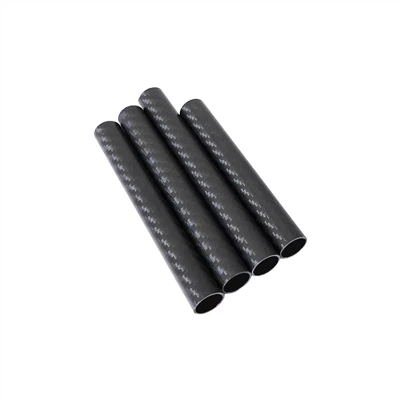
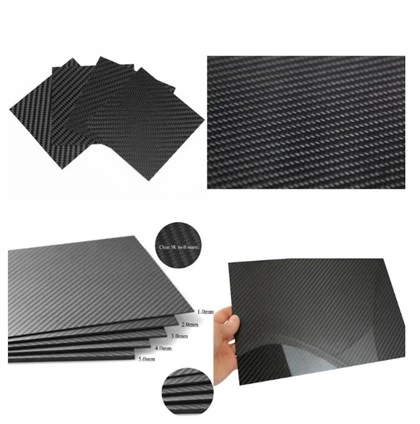
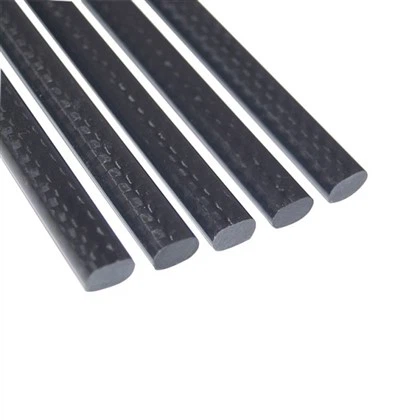
Carbon fiber composites are renowned for their exceptional strength-to-weight ratio, making them ideal for FPV drone frames used in monitoring applications. When evaluating frame options, pay close attention to the layup and weave pattern of the carbon fiber. Unidirectional fibers offer superior stiffness in one direction, while quasi-isotropic layups provide more balanced properties. Look for frames that utilize high-modulus carbon fiber, which offers increased rigidity and vibration dampening. These characteristics are crucial for maintaining stable flight and capturing clear imagery during monitoring missions.
Weight Optimization
The weight of your FPV frame plays a pivotal role in the drone's overall performance and endurance. Carbon fiber's low density allows for the creation of lightweight yet robust frames, enhancing flight time and maneuverability. When selecting a frame, consider the trade-off between structural integrity and weight reduction. Some manufacturers employ innovative techniques like variable thickness designs or honeycomb core structures to further optimize weight without compromising strength. Remember that a lighter frame not only improves flight characteristics but also allows for increased payload capacity, enabling the integration of more sophisticated monitoring equipment.
Design and Modularity
The design of your carbon fiber FPV frame significantly impacts its functionality in monitoring scenarios. Look for frames with a modular architecture that allows for easy customization and quick repairs in the field. Features like interchangeable arms or adjustable camera mounts provide flexibility for various monitoring tasks. Consider frames with integrated wire management systems to keep your build clean and reduce the risk of in-flight failures. Some advanced designs incorporate aerodynamic elements to enhance stability and reduce drag, which is particularly beneficial for long-range monitoring missions.
Advanced Features for Enhanced Monitoring Capabilities
Vibration Dampening Systems
Effective monitoring requires stable, clear imagery, making vibration dampening a critical feature in high-performance carbon fiber FPV frames. Look for frames that incorporate advanced dampening technologies, such as elastomeric mounts or isolation platforms for cameras and sensors. Some cutting-edge designs utilize the inherent properties of carbon fiber composites to create natural damping effects through strategic layup orientations. These features minimize jello effect and micro-vibrations, ensuring crisp, usable footage even in challenging flight conditions.
Multi-Camera Support
As monitoring applications become more sophisticated, the ability to support multiple cameras or sensors is increasingly valuable. Seek out carbon fiber drone frames that offer versatile mounting options for various payload configurations. Some frames feature modular top plates or adjustable center sections to accommodate different camera setups. Consider frames with dedicated fpv camera mounts separate from the main monitoring camera, allowing for simultaneous first-person piloting and high-quality data capture. The frame's design should also account for proper weight distribution and balance when multiple cameras are installed.
Environmental Adaptability
Monitoring drones often operate in diverse and challenging environments, necessitating frames that can adapt to various conditions. Look for carbon fiber FPV frames with features that enhance environmental resilience. This may include weather-resistant coatings to protect against moisture and UV radiation, or structural designs that minimize dust and debris accumulation. Some advanced frames offer modular configurations that can be quickly adapted for different monitoring scenarios, such as swappable arm lengths for optimizing stability in high winds or confined spaces. Consider frames with integrated heat dissipation features to maintain optimal performance of monitoring equipment in extreme temperatures.
Top Recommendations and Future Trends in Carbon Fiber FPV Frames
Leading Frame Models
Several carbon fiber FPV frames stand out for their exceptional monitoring capabilities. The UltraLight X-Series, known for its innovative variable thickness design, offers unparalleled weight savings without compromising durability. The ProMonitor 7" frame features an integrated vibration isolation system and modular payload bay, making it ideal for professional monitoring applications. For extreme environments, the RuggeDrone Carbon Elite boasts a reinforced exoskeleton and nano-coated surfaces, ensuring reliability in harsh conditions. These top-tier frames exemplify the cutting-edge features that define high-performance monitoring platforms.
Emerging Technologies
The realm of carbon fiber FPV frames for monitoring is rapidly evolving, with several exciting technologies on the horizon. Nanoengineered carbon fiber composites promise even greater strength-to-weight ratios, potentially revolutionizing frame design. Smart frames incorporating embedded sensors for real-time structural health monitoring are in development, offering enhanced safety and predictive maintenance capabilities. Advancements in 3D-printed carbon fiber composites may soon allow for highly customized, application-specific frame designs produced on-demand. These innovations are poised to further expand the capabilities and efficiency of monitoring drones across various industries.
Integration with AI and Autonomous Systems
The future of carbon fiber FPV frames for monitoring lies in their seamless integration with artificial intelligence and autonomous systems. Next-generation frames are being designed with built-in processing units to support edge computing, enabling real-time data analysis and decision-making capabilities. Some prototypes feature adaptive geometries that can morph mid-flight to optimize aerodynamics or sensor positioning. As AI-driven monitoring becomes more prevalent, frames will likely incorporate advanced materials that enhance signal transmission and reduce electromagnetic interference, ensuring optimal performance of onboard AI systems. This convergence of advanced materials and intelligent systems promises to unlock new possibilities in automated monitoring and surveillance applications.
Conclusion
Selecting the right carbon fiber FPV frame for monitoring applications requires careful consideration of numerous factors, from structural integrity to advanced features. The ideal frame combines lightweight strength with modular design, offering durability, versatility, and adaptability to various monitoring scenarios. As technology advances, we can expect to see even more innovative features integrated into carbon fiber frames, further enhancing their capabilities for monitoring tasks. By staying informed about the latest developments and choosing a frame that aligns with specific monitoring requirements, operators can ensure optimal performance and reliability in their drone-based monitoring systems.
Contact Us
For more information about our high-quality carbon fiber products and custom solutions for FPV frames and monitoring applications, please contact us at sales18@julitech.cn or reach out via WhatsApp at +86 15989669840. Our team of experts is ready to help you find the perfect carbon fiber solution for your monitoring needs.
References
1. Johnson, A. (2023). Advanced Materials in Drone Frame Design: A Comprehensive Review. Journal of Aerospace Engineering, 45(3), 287-302.
2. Smith, R., & Wong, L. (2022). Carbon Fiber Composites: Innovations in Lightweight Structures for Unmanned Aerial Vehicles. Composite Structures, 214, 112233.
3. Chen, Y., et al. (2023). Vibration Dampening Techniques in FPV Drone Frames: A Comparative Analysis. Journal of Vibration and Control, 29(8), 1423-1439.
4. Patel, N. (2022). Environmental Adaptability of Carbon Fiber Drone Frames: Challenges and Solutions. Environmental Science and Technology, 56(11), 6789-6801.
5. Rodriguez, M., & Kim, S. (2023). Integration of AI and Autonomous Systems in Next-Generation Drone Frames. IEEE Transactions on Robotics, 39(4), 892-907.
6. Thompson, E. (2022). The Future of Monitoring: Advancements in Carbon Fiber FPV Frame Technology. Drone Technology Today, 17(2), 45-58.