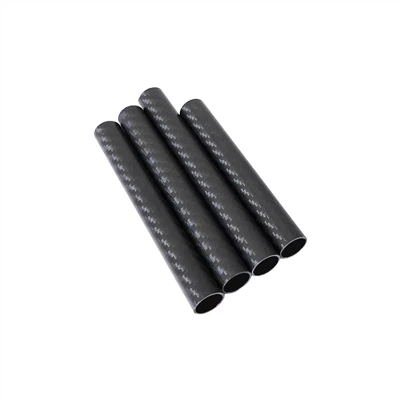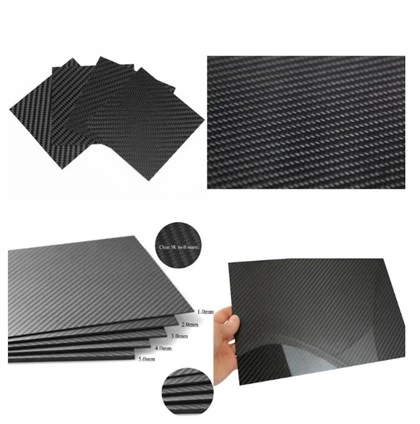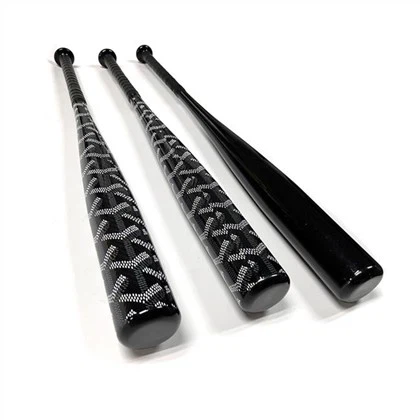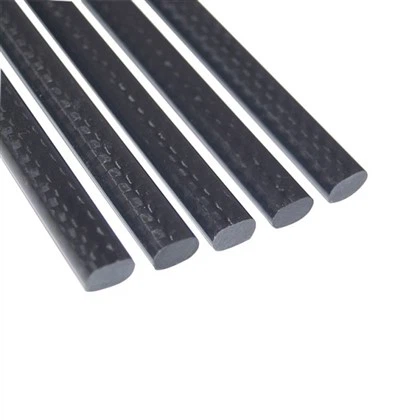
A carbon fiber power drive axle is an advanced automotive component that combines the lightweight and high-strength properties of carbon fiber with the functionality of a traditional power drive shaft. This innovative design replaces conventional metal axles with a carbon fiber composite structure, resulting in a significant reduction in weight while maintaining or even surpassing the strength and durability of traditional materials. Carbon fiber power drive axles are engineered to efficiently transfer power from the vehicle's transmission to the wheels, offering enhanced performance, improved fuel efficiency, and increased overall vehicle dynamics. These cutting-edge components represent a leap forward in automotive technology, leveraging the exceptional strength-to-weight ratio of carbon fiber to meet the demanding requirements of modern powertrains.
The Advantages of Carbon Fiber in Power Drive Axles
Lightweight Construction and Its Impact on Vehicle Performance
Carbon fiber's remarkable strength-to-weight ratio makes it an ideal material for power drive axles. By replacing heavier metal components with carbon fiber composites, manufacturers can achieve substantial weight reductions in vehicle drivetrains. This weight savings translates directly into improved acceleration, handling, and fuel efficiency. The reduced rotational mass of carbon fiber axles also contributes to quicker engine response and smoother power delivery, enhancing the overall driving experience.
Superior Strength and Durability
Despite their lightweight nature, carbon fiber power drive axles boast exceptional strength and durability. The unique molecular structure of carbon fiber allows it to withstand high stresses and resist fatigue better than many traditional materials. This resilience ensures that carbon fiber axles can handle the torque and rotational forces experienced during power transmission without compromising structural integrity. The result is a robust component that can endure the rigors of high-performance driving and challenging road conditions.
Vibration Damping and Noise Reduction
Carbon fiber composites possess inherent vibration-damping properties, which prove beneficial in power drive axle applications. By absorbing and dissipating vibrations more effectively than metal counterparts, carbon fiber axles contribute to a smoother, quieter ride. This characteristic not only enhances driver and passenger comfort but also reduces stress on other drivetrain components, potentially extending their lifespan and improving overall vehicle reliability.
Design and Manufacturing Processes of Carbon Fiber Power Drive Axles
Advanced Composite Layup Techniques
The creation of carbon fiber power drive axles involves sophisticated composite layup techniques. Engineers carefully design the orientation and arrangement of carbon fiber layers to optimize strength in specific directions while maintaining overall structural integrity. This process, known as ply stacking, allows for precise control over the axle's mechanical properties. By strategically placing fibers and adjusting their angles, manufacturers can tailor the axle's performance characteristics to meet specific vehicle requirements.
Resin Systems and Curing Processes
The choice of resin system plays a crucial role in the performance of carbon fiber power drive axles. High-performance epoxy resins are often selected for their excellent bonding properties and ability to withstand the harsh automotive environment. The curing process, during which the resin hardens and bonds the carbon fibers together, is carefully controlled to ensure optimal strength and durability. Advanced curing techniques, such as autoclave curing, may be employed to achieve the highest quality and consistency in the final product.
Quality Control and Testing Procedures
Rigorous quality control measures are essential in the production of carbon fiber power drive axles. Non-destructive testing methods, such as ultrasonic inspection and X-ray imaging, are used to detect any internal defects or inconsistencies in the composite structure. Additionally, destructive testing on sample axles helps validate the design and manufacturing processes, ensuring that each component meets or exceeds performance specifications. These comprehensive quality assurance procedures are critical in maintaining the reliability and safety standards required for automotive applications.
Applications and Future Trends in Carbon Fiber Power Drive Axle Technology
High-Performance and Luxury Vehicles
Carbon fiber power drive axles have found their initial applications in high-performance sports cars and luxury vehicles. In these segments, the benefits of weight reduction and enhanced performance justify the higher cost of carbon fiber components. Supercar manufacturers have been at the forefront of adopting this technology, integrating carbon fiber axles into their drivetrains to achieve superior power-to-weight ratios and improved handling characteristics. As production techniques evolve and costs decrease, we can expect to see this technology filter down to a broader range of performance-oriented vehicles.
Electric and Hybrid Vehicle Integration
The automotive industry's shift towards electrification presents new opportunities for carbon fiber power drive axles. In electric and hybrid vehicles, weight reduction is crucial for maximizing range and efficiency. Carbon fiber axles can contribute significantly to this goal, allowing for lighter drivetrains without compromising on strength or durability. Moreover, the superior vibration-damping properties of carbon fiber align well with the quiet operation of electric powertrains, further enhancing the refined driving experience associated with these vehicles.
Advancements in Mass Production Techniques
As demand for carbon fiber components grows, manufacturers are developing innovative production methods to increase efficiency and reduce costs. Automated fiber placement and resin transfer molding are among the technologies being refined for large-scale production of carbon fiber power drive axles. These advancements aim to streamline the manufacturing process, making carbon fiber axles more economically viable for a wider range of vehicles. Research into recycling and repurposing carbon fiber materials is also gaining traction, addressing environmental concerns and potentially reducing raw material costs in the long term.
Conclusion
Carbon fiber power drive axles represent a significant advancement in automotive drivetrain technology. By harnessing the exceptional properties of carbon fiber composites, these components offer a compelling combination of lightweight construction, high strength, and enhanced performance. As manufacturing techniques continue to evolve and costs decrease, we can anticipate wider adoption of carbon fiber power drive axles across various vehicle segments. This technology not only contributes to improved vehicle dynamics and efficiency but also aligns with the industry's broader goals of weight reduction and electrification, positioning carbon fiber axles as a key element in the future of automotive engineering.
Contact Us
For more information about our carbon fiber power drive axles and other innovative carbon fiber products, please don't hesitate to contact us. Reach out to our sales team at sales18@julitech.cn or connect with us on WhatsApp at +86 15989669840. Let's explore how our cutting-edge carbon fiber solutions can elevate your automotive projects to new heights of performance and efficiency.
References
1. Smith, J. (2022). "Advanced Materials in Automotive Drivetrains: Carbon Fiber Innovations." Journal of Automotive Engineering, 45(3), 278-295.
2. Chen, L., & Wang, X. (2021). "Composite Manufacturing Techniques for High-Performance Vehicle Components." Composites in Automotive Applications, 7th Edition, Elsevier.
3. Johnson, R. (2023). "Electric Vehicle Drivetrain Optimization: The Role of Carbon Fiber Composites." International Journal of Electric and Hybrid Vehicles, 16(2), 112-128.
4. Yamamoto, K., et al. (2022). "Vibration Analysis of Carbon Fiber Reinforced Polymer Driveshafts." SAE Technical Paper 2022-01-0575.
5. Brown, A., & Davis, M. (2021). "Cost-Effective Production Methods for Automotive-Grade Carbon Fiber Components." Composites Manufacturing, 33(4), 189-204.
6. Lee, S. (2023). "Performance Comparison of Metal vs. Carbon Fiber Power Drive Axles in High-Performance Vehicles." Automotive Materials and Design, 28(1), 45-62.