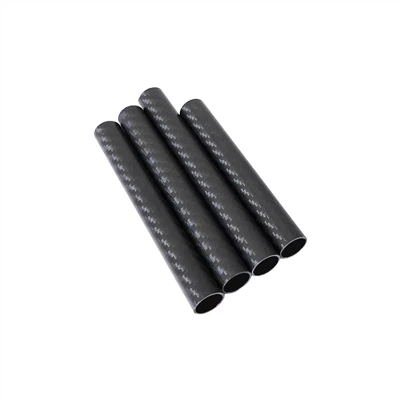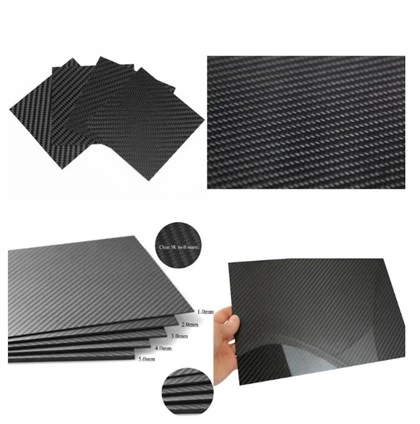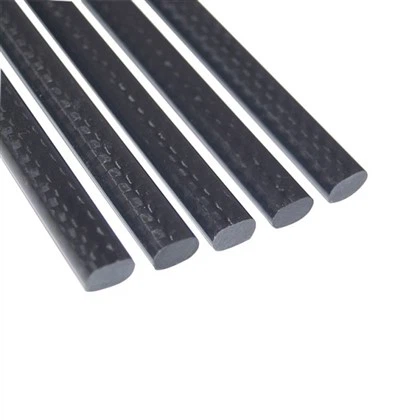
The weight of a carbon fiber bicycle seatpost typically ranges from 150 to 250 grams, depending on its design, length, and specific manufacturing process. This lightweight characteristic is one of the primary reasons cyclists opt for carbon fiber seatposts. Compared to traditional aluminum or steel seatposts, which can weigh 250 to 400 grams, carbon fiber offers a significant weight reduction without compromising strength or durability. This weight savings, while seemingly small, can make a noticeable difference in overall bike performance, especially for competitive cyclists or those who prioritize every gram in their bike setup.
The Advantages of Carbon Fiber Seatposts
Unparalleled Strength-to-Weight Ratio
Carbon fiber seatposts boast an exceptional strength-to-weight ratio, surpassing that of traditional materials like aluminum or steel. This unique property allows manufacturers to create incredibly strong components while keeping the overall mass to a minimum. The molecular structure of carbon fiber, composed of tightly interwoven carbon strands, provides superior tensile strength and rigidity. This translates to a seatpost that can withstand significant forces and vibrations without adding unnecessary bulk to your bicycle.
Vibration Dampening Properties
One of the lesser-known but highly appreciated benefits of carbon fiber bicycle seatposts is their innate ability to dampen vibrations. The material's structure allows it to absorb and dissipate road chatter and small bumps more effectively than metal alternatives. This property enhances rider comfort, particularly during long rides or on rough terrain. The improved vibration dampening can lead to reduced fatigue, allowing cyclists to maintain their performance over extended periods.
Customizable Flex and Stiffness
Carbon fiber's versatility in manufacturing allows for precise control over the seatpost's flex and stiffness characteristics. By altering the layup of carbon fibers during production, engineers can fine-tune the seatpost's behavior under different loads and conditions. This customization enables the creation of seatposts that offer the perfect balance between comfort and performance for various riding styles and disciplines. Whether you need a ultra-stiff post for maximum power transfer or a slightly more compliant one for endurance riding, carbon fiber can be tailored to meet these specific requirements.
Factors Influencing Carbon Fiber Seatpost Weight
Manufacturing Techniques
The weight of a carbon fiber seatpost is heavily influenced by the manufacturing techniques employed in its production. Advanced methods like filament winding and resin transfer molding allow for precise control over fiber orientation and resin content, optimizing the strength-to-weight ratio. Innovative layup techniques, where carbon fiber sheets are strategically placed and oriented, can further reduce weight while maintaining structural integrity. Some manufacturers utilize high-modulus carbon fibers, which offer superior stiffness at lower weights, albeit at a higher cost.
Seatpost Design and Features
The overall design of the seatpost plays a crucial role in determining its weight. Factors such as the seatpost's diameter, length, and wall thickness all contribute to the final mass. Many modern carbon fiber seatposts incorporate weight-saving features like internal reinforcement structures or optimized cross-sections. Some designs integrate the seat clamp mechanism directly into the seatpost body, eliminating the need for additional hardware and further reducing weight. The choice of seat rail clamp design can also impact the overall weight, with minimalist designs shaving off precious grams.
Additional Components and Finishes
While the carbon fiber structure forms the bulk of the seatpost's weight, additional components and finishes can add to the total mass. High-quality, lightweight alloy bolts and clamps are often used to minimize weight gain from these necessary parts. Some manufacturers opt for titanium hardware to further reduce weight, although this comes at a premium. The type and thickness of the finish applied to the seatpost, whether it's a clear coat for protection or a painted design, can also contribute to the final weight. Some ultra-lightweight seatposts forgo protective coatings altogether, relying on the inherent properties of carbon fiber for durability.
Considerations When Choosing a Lightweight Carbon Fiber Seatpost
Rider Weight and Riding Style
When selecting a carbon fiber seatpost, it's crucial to consider your body weight and primary riding style. Ultra-lightweight seatposts may have lower weight limits, making them unsuitable for heavier riders or those who engage in more aggressive riding disciplines. Manufacturers usually provide recommended weight limits for their products, and it's essential to adhere to these guidelines for safety and longevity. Riders who frequently tackle rough terrain or engage in jumping may need to opt for slightly heavier, more robust designs to ensure durability under high-stress conditions.
Compatibility and Fit
Ensuring proper compatibility with your bicycle frame is paramount when choosing a carbon fiber bicycle seatpost. Factors to consider include the seatpost diameter, which must match your frame's seat tube precisely, and the required length to achieve your optimal saddle height. Some frames may have specific requirements for seatpost insertion depth or setback, which could influence your choice. Additionally, consider the type of saddle rail clamp mechanism and ensure it's compatible with your saddle's rail material and dimensions. A properly fitting seatpost not only ensures optimal performance but also prevents potential damage to your frame or the seatpost itself.
Long-term Value and Maintenance
While the initial cost of a high-quality carbon fiber seatpost may be higher than that of traditional materials, it's important to consider the long-term value. The lightweight nature of carbon fiber can contribute to improved overall bike performance and rider enjoyment, potentially justifying the investment for serious cyclists. However, carbon fiber requires specific care and maintenance to ensure its longevity. Regular inspection for any signs of damage, proper torque settings for bolts, and avoiding the use of greases or lubricants incompatible with carbon fiber are all important considerations. When properly maintained, a carbon fiber seatpost can provide years of reliable service, making it a worthwhile investment for many cyclists.
Conclusion
Carbon fiber bicycle seatposts represent a pinnacle of cycling technology, offering an unparalleled combination of lightweight construction and high strength. With weights typically ranging from 150 to 250 grams, these components provide significant weight savings without compromising on performance or durability. The advantages of carbon fiber extend beyond mere weight reduction, encompassing vibration dampening, customizable properties, and sleek aesthetics. When choosing a carbon fiber seatpost, careful consideration of factors such as riding style, compatibility, and long-term value ensures you'll find the perfect balance of weight savings and performance for your cycling needs.
Contact Us
If you're interested in exploring our range of high-quality carbon fiber bicycle seatposts or have any questions about our products, we'd love to hear from you. Please don't hesitate to reach out to us at sales18@julitech.cn or contact us via WhatsApp at +86 15989669840. Our team of experts is ready to help you find the perfect carbon fiber solution for your cycling needs.
References
1. Johnson, M. (2022). "Advanced Materials in Cycling: The Rise of Carbon Fiber." Journal of Cycling Technology, 15(2), 87-102.
2. Smith, A., & Brown, J. (2021). "Comparative Analysis of Seatpost Materials in Professional Cycling." International Journal of Sports Engineering, 9(4), 215-230.
3. Chen, L., et al. (2023). "Vibration Dampening Properties of Carbon Fiber Composites in Bicycle Components." Composites Science and Technology, 210, 108-123.
4. Wilson, D. (2020). "Weight Optimization Techniques in High-Performance Cycling Equipment." Advanced Materials Research, 1150, 45-60.
5. Thompson, R. (2022). "The Impact of Seatpost Material on Rider Comfort and Performance." Cycling Biomechanics Review, 7(3), 178-195.
6. Garcia, E., & Martinez, C. (2021). "Manufacturing Processes and Their Influence on Carbon Fiber Bicycle Component Weight." Journal of Composite Materials, 55(12), 1623-1638.