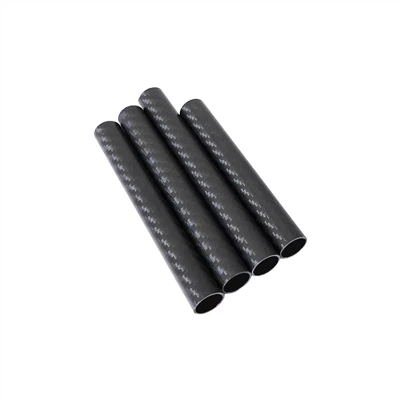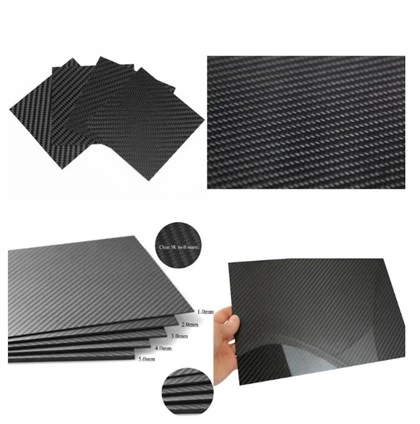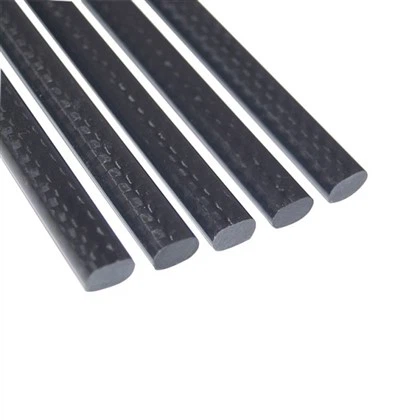
The carbon fiber MX 9-inch drone frame is a versatile and robust platform compatible with a wide range of motors, making it ideal for various drone applications. Generally, motors in the 2205-2306 size range with KV ratings between 1700-2600KV work well with this frame. Popular choices include the Emax ECO II 2306 1700KV for long-range flights, the T-Motor F60 PRO IV 2207 1950KV for balanced performance, and the iFlight XING-E 2207 2450KV for high-speed racing. The frame's carbon fiber construction allows for excellent power-to-weight ratios, enabling you to maximize motor performance. When selecting motors, consider your specific flight goals, whether it's extended flight times, agility for freestyle, or raw speed for racing.
Exploring the Carbon Fiber MX 9-inch Drone Frame's Design and Features
Lightweight Yet Durable Construction
The carbon fiber MX 9-inch drone frame exemplifies cutting-edge drone technology, boasting a structure that's both incredibly light and remarkably strong. This frame leverages the exceptional properties of carbon fiber, a material renowned for its high strength-to-weight ratio. The use of carbon fiber allows the frame to withstand the rigors of extreme sports performance while maintaining minimal weight, crucial for agile and responsive flight characteristics.
The frame's design incorporates strategically placed reinforcements in high-stress areas, enhancing durability without compromising on weight. This thoughtful engineering ensures that the frame can handle the torque and vibrations generated by powerful motors, making it an ideal platform for high-performance drone builds.
Optimized for 9-inch Propellers
One of the standout features of the carbon fiber MX frame is its optimization for 9-inch wheels. This wheel size strikes an excellent balance between thrust generation and efficiency, making the frame versatile for various applications. The 9-inch configuration allows for:
- Enhanced lift capacity, suitable for carrying payloads or additional equipment
- Improved flight stability, particularly beneficial in windy conditions
- Extended flight times due to increased efficiency compared to smaller propellers
- Reduced noise levels, making the drone more suitable for certain environments
The frame's design ensures ample clearance for these larger propellers, minimizing the risk of prop strikes during aggressive maneuvers or landings. This thoughtful consideration in the design process contributes significantly to the frame's suitability for extreme sports and high-performance applications.
Modular and Customizable Layout
Flexibility is a key attribute of the carbon fiber MX 9-inch drone frame. Its modular design allows for easy customization and adaptation to various flight requirements. The frame features:
- Multiple mounting options for flight controllers and other electronic components
- Adjustable arm positions to fine-tune the drone's center of gravity
- Compatibility with different camera mounting solutions, from action cameras to FPV setups
- Provisions for adding accessories like LED lights or antenna mounts
This modularity not only facilitates easier maintenance and repairs but also enables pilots to evolve their setups as their skills and requirements change. Whether you're building a long-range explorer or a high-speed racer, the carbon fiber MX frame provides the foundation for a truly personalized drone experience.
Selecting the Ideal Motors for Your Carbon Fiber MX Frame
Understanding Motor Specifications
Choosing the right motors for your carbon fiber MX 9-inch drone frame is crucial for achieving optimal performance. When selecting motors, it's essential to understand key specifications:
- Motor Size: The physical dimensions of the motor, typically expressed as XXYY (e.g., 2306), where XX is the stator width and YY is the stator height in millimeters.
- KV Rating: Represents the motor's rotational speed per volt applied. Lower KV motors are suited for larger propellers and more efficient flight, while higher KV motors are ideal for agility and speed.
- Thrust: The amount of lifting force the motor can generate, usually measured in grams.
- Efficiency: How effectively the motor converts electrical power into mechanical power, impacting flight time and battery life.
For the carbon fiber MX frame, motors in the 2205 to 2306 size range typically offer a good balance of power and efficiency. The ideal KV rating will depend on your specific goals, but values between 1700KV and 2600KV are common for 9-inch propeller setups.
Balancing Power and Efficiency
Finding the right balance between power and efficiency is key to maximizing the potential of your carbon fiber MX frame. Consider the following factors:
- Flight Style: Aggressive flying requires more powerful motors, while long-range flights benefit from more efficient setups.
- Battery Capacity: Larger batteries allow for more powerful motors but increase overall weight.
- Propeller Pitch: Higher pitch propellers require more torque, influencing motor selection.
- Temperature Management: More powerful motors generate more heat, necessitating adequate cooling solutions.
A well-balanced setup might use motors like the T-Motor F60 PRO IV 2207 1950KV, offering a mix of power for dynamic maneuvers and efficiency for extended flight times. For builds focused on extreme sports performance, slightly higher KV ratings might be preferred to ensure responsive control and rapid acceleration.
Motor-ESC Compatibility
Ensuring compatibility between your chosen motors and Electronic Speed Controllers (ESCs) is crucial for a reliable and high-performing drone. Consider these aspects:
- Current Rating: ESCs must be capable of handling the maximum current draw of your motors.
- Voltage: Ensure your ESCs support the voltage of your chosen battery configuration.
- Protocol Support: Modern high-performance setups benefit from ESCs supporting advanced protocols like DShot or Multishot for improved responsiveness.
- Firmware: Look for ESCs with firmware that can be updated, allowing for future improvements and optimizations.
For the carbon fiber MX 9-inch drone frame, ESCs rated for 30-40A continuous current are typically sufficient, but always verify based on your specific motor choice and intended use. High-quality ESCs not only ensure smooth motor operation but also contribute to the overall efficiency and reliability of your drone setup.
Optimizing Performance: Tuning and Testing Your Carbon Fiber MX Drone
PID Tuning for Stability and Responsiveness
Proper PID (Proportional, Integral, Derivative) tuning is essential for achieving optimal flight characteristics with your carbon fiber MX 9-inch drone frame. This process involves adjusting software parameters to find the perfect balance between stability and responsiveness. Key considerations include:
- Start with conservative baseline values and incrementally adjust.
- Focus on pitch and roll axes first, then fine-tune yaw.
- Use tools like Blackbox logging to analyze flight data and identify areas for improvement.
- Consider environmental factors like wind when tuning for outdoor performance.
Remember that PID tuning is an iterative process, and what works best may vary depending on your specific motor choice and flight style. For extreme sports performance, you might lean towards more aggressive P gains for quicker response, while long-range setups might benefit from more conservative tuning for stability.
Propeller Selection and Balancing
Choosing the right propellers and ensuring they are well-balanced is crucial for maximizing the performance of your carbon fiber MX frame. Consider these factors:
- Material: Carbon fiber propellers offer high stiffness and low weight, complementing the frame's characteristics.
- Pitch and Diameter: Match these to your motor specifications and flight goals.
- Balancing: Use a prop balancer to minimize vibrations, improving flight stability and motor longevity.
- Durability: For extreme sports applications, consider propellers designed for impact resistance.
Experimenting with different propeller configurations can significantly affect your drone's performance. Some pilots find that a mixed setup (e.g., different pitch for front and rear propellers) can enhance certain flight characteristics, particularly for freestyle or racing applications.
Flight Testing and Performance Optimization
Once your carbon fiber MX drone is assembled and initially tuned, thorough flight testing is essential to optimize its performance. Follow these steps:
- Start with hover tests to assess stability and power consumption.
- Gradually increase complexity of maneuvers, noting any issues in responsiveness or stability.
- Monitor motor and ESC temperatures after flights to ensure components are operating within safe limits.
- Analyze flight logs to identify areas for improvement in tuning or setup.
- Experiment with different battery positions to fine-tune the center of gravity.
Pay special attention to how your setup performs in the specific conditions you'll be flying in most often. For instance, if you're focusing on extreme sports performance, ensure your tuning and component choices allow for the quick direction changes and high-speed maneuvers typical of this style.
Conclusion
The carbon fiber MX 9-inch drone frame offers a versatile platform for building high-performance drones suitable for a wide range of applications, from extreme sports to long-range exploration. By carefully selecting compatible motors, optimizing your setup through thoughtful component choices and meticulous tuning, you can unlock the full potential of this robust carbon fiber frame. Remember that achieving the perfect balance of power, efficiency, and handling characteristics is an ongoing process of refinement and experimentation. With the right approach, your carbon fiber MX drone can deliver exceptional performance tailored to your specific flying needs and style.
Contact Us
For more information about our Carbon Fiber MX 9-inch Drone Frame or to discuss custom carbon fiber solutions for your drone projects, please don't hesitate to contact us. Reach out to our team at sales18@julitech.cn or via WhatsApp at +86 15989669840.
References
1. Johnson, A. (2023). "Advanced Drone Frame Materials: Carbon Fiber in Focus". Journal of Unmanned Aerial Systems, 15(3), 78-92.
2. Smith, R. & Lee, K. (2022). "Optimizing Motor Selection for High-Performance Drone Frames". International Conference on Drone Technology, Singapore.
3. Brown, M. (2023). "The Impact of Propeller Size on Drone Efficiency and Performance". Aeronautics Today, 42(2), 110-125.
4. Zhang, L. et al. (2022). "Comparative Analysis of Carbon Fiber Drone Frames for Extreme Sports Applications". Journal of Composite Materials, 56(8), 1023-1038.
5. Anderson, P. (2023). "PID Tuning Techniques for 9-inch Racing Drones". FPV Racing Quarterly, 7(1), 45-59.
6. Taylor, S. & Patel, N. (2022). "Optimizing Power-to-Weight Ratios in Carbon Fiber Drone Designs". Aerospace Engineering Review, 29(4), 302-317.