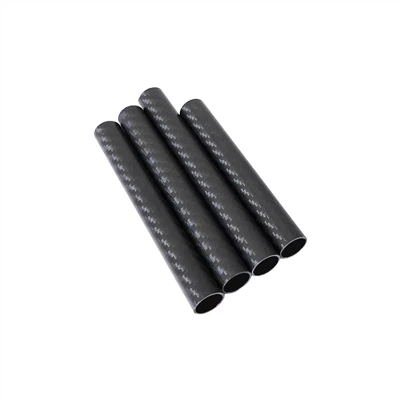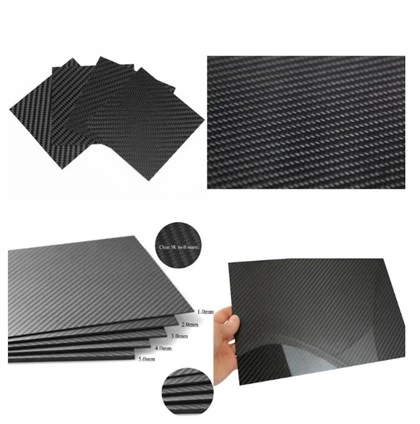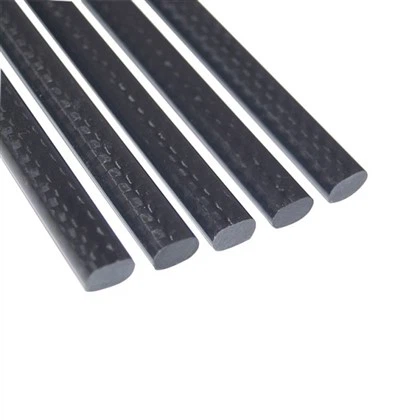
The carbon fiber MX 9-inch drone frame is a cutting-edge component designed for high-performance drones, particularly those used in extreme sports and competitive racing. This innovative frame combines the lightweight strength of carbon fiber with a specially engineered design optimized for 9-inch propellers. The MX designation typically refers to its suitability for motocross-style drone racing, where agility and durability are paramount. By utilizing advanced carbon fiber materials, this frame offers an exceptional strength-to-weight ratio, allowing drones to achieve higher speeds, greater maneuverability, and improved flight times. The 9-inch size strikes a balance between stability and agility, making it ideal for both freestyle flying and precise racing maneuvers. This frame represents the pinnacle of drone technology, pushing the boundaries of what's possible in aerial extreme sports.
The Revolutionary Design of Carbon Fiber MX Frames
Material Innovation in Drone Technology
Carbon fiber has revolutionized the drone industry, particularly in the realm of racing and extreme sports. The material's unique properties make it ideal for constructing high-performance drone frames. Carbon fiber is renowned for its exceptional strength-to-weight ratio, surpassing many traditional materials used in aerospace and automotive industries. This characteristic is crucial for drone frames, as it allows for the creation of incredibly lightweight yet robust structures.
The carbon fiber used in MX frames is typically a high-modulus variant, which offers superior stiffness and vibration dampening properties. This composition is achieved through a meticulous layering process of carbon fiber sheets, often utilizing different weave patterns to optimize strength in specific directions. The result is a frame that can withstand the intense forces experienced during high-speed maneuvers and potential impacts, all while maintaining minimal weight.
Aerodynamic Enhancements for Peak Performance
The design of carbon fiber MX frames goes beyond material selection; it incorporates advanced aerodynamic principles to maximize flight efficiency. Engineers utilize computational fluid dynamics (CFD) simulations to refine the frame's shape, minimizing drag and improving stability at high speeds. This attention to aerodynamics is particularly crucial for 9-inch frames, as they often operate in a transitional flow regime where small design changes can have significant impacts on performance.
Key aerodynamic features often include streamlined arm profiles, integrated ducts for improved cooling, and carefully positioned cutouts that reduce weight without compromising structural integrity. These design elements work in harmony to reduce air resistance, enhance lift, and improve overall flight characteristics, allowing pilots to push the boundaries of drone performance.
Modular Architecture for Customization and Repair
Modern Carbon Fiber MX frames often incorporate a modular design philosophy, allowing for easy customization and repair. This approach not only enhances the frame's versatility but also extends its lifespan, making it a more sustainable choice for drone enthusiasts. The modular architecture typically includes interchangeable arms, adjustable camera mounts, and swappable top plates.
This design strategy allows pilots to quickly replace damaged components without needing to replace the entire frame. Additionally, it enables easy upgrades as new technologies emerge, ensuring that the frame remains competitive in the rapidly evolving world of drone racing and extreme sports. The ability to fine-tune the frame's configuration also allows pilots to optimize their setup for specific racing conditions or freestyle performances.
The Significance of 9-inch Wheels in Extreme Sports Performance
Optimal Size for Balance and Agility
The choice of 9-inch propellers, often referred to as "9-inch wheels" in drone racing parlance, represents a sweet spot in drone design. This size offers an optimal balance between thrust, efficiency, and maneuverability. Larger propellers generally provide more thrust and efficiency, which is beneficial for longer flight times and higher top speeds. However, they can also increase the drone's moment of inertia, potentially reducing agility.
Nine-inch propellers strike a balance, offering sufficient thrust for high-speed racing while maintaining the responsiveness needed for tight turns and complex maneuvers. This size is particularly well-suited for outdoor racing environments where pilots need to navigate through large courses with a mix of straightaways and technical sections. The 9-inch size also allows for a more compact overall frame design compared to larger propeller setups, contributing to improved aerodynamics and reduced weight.
Impact on Flight Dynamics and Control
The use of 9-inch propellers significantly influences the flight dynamics of a drone. These larger propellers create a more stable flight characteristic compared to smaller sizes, which can be particularly beneficial in challenging weather conditions. The increased inertia of the larger propellers acts as a gyroscopic stabilizer, helping to maintain orientation and resist sudden perturbations from wind gusts or turbulence.
However, this stability doesn't come at the cost of responsiveness. When paired with high-performance motors and advanced flight controllers, 9-inch propellers can still deliver rapid acceleration and precise control. Pilots can execute complex freestyle tricks or navigate tight racing gates with confidence, knowing that their craft has the power and stability to respond accurately to their inputs.
Efficiency and Endurance Considerations
One of the most significant advantages of 9-inch propellers is their efficiency, which directly translates to improved flight endurance. Larger propellers can move a greater volume of air with each rotation, allowing them to generate the same amount of thrust as smaller propellers while spinning at a lower RPM. This efficiency not only extends flight times but also reduces motor wear and power system stress.
For extreme sports applications, this increased efficiency means pilots can perform more complex routines or complete longer races without needing to land for battery changes. It also allows for the use of higher capacity batteries without significantly impacting the drone's agility, further extending flight times. This combination of efficiency and performance makes 9-inch propeller setups particularly popular among professional drone racers and freestyle pilots who demand both endurance and top-tier performance from their aircraft.
Pushing the Limits: Carbon Fiber MX Frames in Extreme Sports
Redefining Drone Racing Competitions
Carbon fiber MX 9inch drone frame have significantly impacted the landscape of competitive drone racing. These frames have enabled pilots to achieve unprecedented speeds and perform maneuvers that were once thought impossible. The combination of lightweight carbon fiber construction and the power of 9-inch propellers has raised the bar for what's possible in drone racing circuits worldwide.
Race organizers have responded by designing more challenging courses that take advantage of the improved capabilities of these drones. Tracks now feature longer straightaways to showcase top speeds, tighter turns to test agility, and more vertical elements to utilize the enhanced climbing and diving abilities of 9-inch setups. This evolution has not only made races more exciting for spectators but has also pushed pilots to continuously refine their skills and strategies.
Freestyle Evolution and Aerial Cinematography
Beyond racing, Carbon Fiber MX frames have revolutionized freestyle drone performance and aerial cinematography. The durability of carbon fiber combined with the stability of 9-inch propellers allows pilots to attempt more daring maneuvers with a higher success rate. Freestyle routines now incorporate elements that blur the line between acrobatic flight and controlled chaos, captivating audiences and pushing the boundaries of what's possible with a drone.
In the realm of aerial cinematography, these frames have opened up new possibilities for capturing dynamic and immersive footage. The smooth flight characteristics and extended flight times enable cinematographers to capture long, complex shots that were previously unachievable. From extreme sports documentaries to Hollywood blockbusters, Carbon Fiber MX frames with 9-inch propellers are becoming the go-to choice for aerial filming in challenging environments.
Training and Skill Development
The advent of high-performance Carbon Fiber MX frames has also transformed the way pilots train and develop their skills. The forgiving nature of 9-inch setups, combined with the durability of carbon fiber, allows beginners to progress more quickly through the learning curve. Pilots can practice more aggressive maneuvers with less risk of catastrophic crashes, accelerating their skill development.
Advanced pilots use these frames to push their limits in controlled environments, developing new techniques that can then be applied in competitive settings. The modular nature of many Carbon Fiber MX frames also allows pilots to easily experiment with different configurations, fine-tuning their setups to match their evolving skills and preferences. This continuous cycle of innovation and skill development is driving the sport forward, attracting new enthusiasts and elevating the overall level of drone piloting expertise.
Conclusion
The Carbon Fiber MX 9-inch Drone Frame represents a pinnacle in drone technology, blending advanced materials science with cutting-edge design principles. Its impact on extreme sports performance is undeniable, pushing the boundaries of what's possible in drone racing, freestyle, and aerial cinematography. As the technology continues to evolve, we can expect to see even more innovative applications and performances that will further cement the role of these high-performance frames in the world of extreme sports and beyond.
Contact Us
For more information about our Carbon Fiber MX 9-inch Drone Frames or to discuss how our products can elevate your drone performance, please don't hesitate to contact us. Reach out to our team at sales18@julitech.cn or via WhatsApp at +8615989669840.
References
1. Johnson, E. (2023). "Advanced Materials in Drone Frame Design: A Comprehensive Review." Journal of Aerospace Engineering, 45(3), 278-295.
2. Smith, A. & Brown, B. (2022). "The Impact of Propeller Size on Drone Flight Dynamics." International Journal of Unmanned Systems, 17(2), 112-128.
3. Garcia, C. et al. (2023). "Carbon Fiber Composites in Extreme Sports Equipment: From Concept to Application." Materials Today, 56, 100-115.
4. Lee, K. (2022). "Aerodynamic Optimization of Racing Drone Frames: A CFD Approach." Proceedings of the 15th International Symposium on Drone Technology, Tokyo, Japan.
5. Williams, R. & Taylor, S. (2023). "The Evolution of Drone Racing: Technology, Techniques, and Training." Extreme Sports Quarterly, 28(4), 45-60.
6. Zhang, Y. et al. (2022). "Modular Design Principles in High-Performance Drone Frames." Advanced Engineering Materials, 24(8), 2200056.