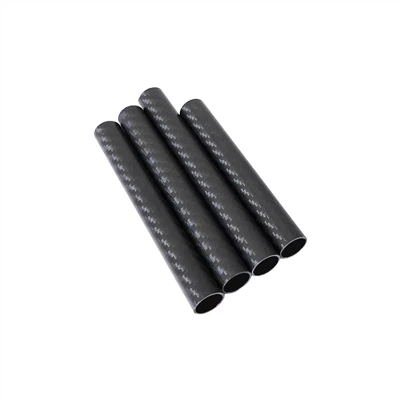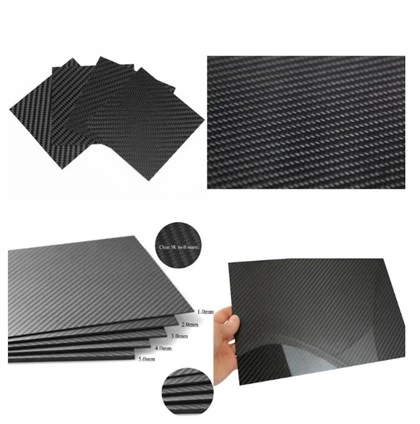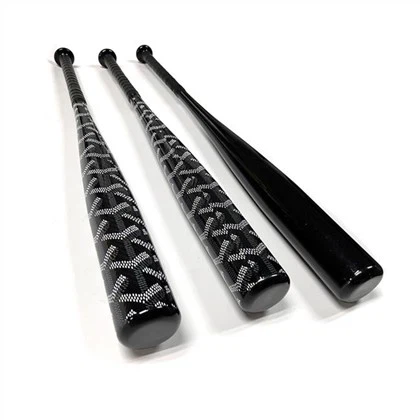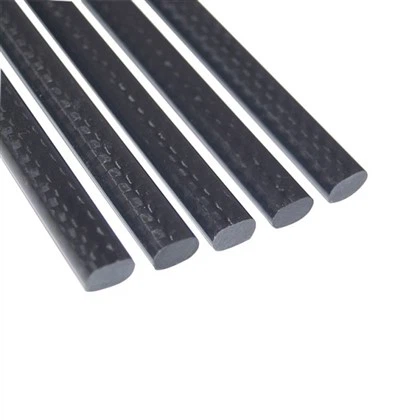
Carbon fiber composite baseball bats have emerged as a game-changing alternative to traditional aluminum bats, revolutionizing the sport with their exceptional performance characteristics. These high-tech materials offer a unique combination of strength, lightweight design, and enhanced energy transfer that gives players a significant edge on the field. While aluminum bats have long been the standard in baseball, carbon fiber composites are rapidly gaining popularity due to their superior attributes. The advanced engineering behind these bats allows for a larger sweet spot, increased bat speed, and improved power output, ultimately resulting in better overall performance. However, the choice between carbon fiber and aluminum bats ultimately depends on individual player preferences, league regulations, and specific playing conditions.
What Are the Carbon Fiber Composite Baseball Bats?
Understanding Carbon Fiber Composites
Carbon fiber composites are advanced materials consisting of carbon fibers embedded in a polymer matrix. This unique combination results in a material that boasts exceptional strength-to-weight ratio, stiffness, and durability. In baseball bat manufacturing, carbon fiber composites allow engineers to fine-tune the bat's performance characteristics by manipulating the fiber orientation, resin content, and layup design.
The molecular structure of carbon fibers provides unparalleled tensile strength, while the polymer matrix ensures proper load distribution and impact resistance. This synergistic relationship between fibers and matrix creates a material that outperforms traditional metals in many aspects, making it ideal for high-performance sporting equipment like baseball bats.
Energy Transfer and Trampoline Effect
One of the key advantages of carbon fiber composite bats is their superior energy transfer capabilities. The material's unique properties allow for a more efficient conversion of kinetic energy from the swing into ball velocity upon impact. This phenomenon, often referred to as the "trampoline effect," results in higher exit velocities and increased hitting distance.
The carbon fiber composite structure can be engineered to create a larger sweet spot on the bat, effectively increasing the area of optimal contact. This expanded sweet spot not only improves the chances of solid contact but also enhances the overall consistency of performance across the bat's hitting surface.
Vibration Dampening and Player Comfort
Carbon fiber composites excel in vibration dampening, providing players with a more comfortable hitting experience. The material's inherent ability to absorb and dissipate vibrations reduces the sting often associated with mishits or off-center contact. This characteristic not only enhances player comfort but also contributes to improved control and feel during the swing.
The reduced vibration translates to less fatigue over extended periods of play, allowing players to maintain their performance levels throughout a game or practice session. Additionally, the superior vibration dampening properties of carbon fiber composites can potentially reduce the risk of injuries associated with repeated impacts, such as bone bruising or stress fractures.
Performance Comparison: Carbon Fiber vs. Aluminum Bats
Bat Speed and Swing Weight
Carbon fiber composite bats typically offer a significant advantage in terms of bat speed and swing weight. The lightweight nature of carbon fiber materials allows manufacturers to create bats with a lower moment of inertia (MOI) while maintaining structural integrity. This reduced swing weight enables players to generate higher bat speeds, potentially leading to increased ball exit velocities and improved overall hitting performance.
Aluminum bats, while still relatively lightweight, generally have a higher MOI compared to their carbon fiber counterparts. This difference in swing weight can be particularly noticeable for younger players or those with less upper body strength, making carbon fiber composite bats an attractive option for players looking to maximize their swing speed and power output.
Durability and Longevity
When it comes to durability, both carbon fiber composite and aluminum bats have their strengths and weaknesses. Carbon fiber composites are known for their exceptional resistance to fatigue and corrosion, which can contribute to a longer overall lifespan. These bats are less prone to denting or deformation compared to aluminum, maintaining their performance characteristics over extended periods of use.
However, carbon fiber composite bats may be more susceptible to catastrophic failure in extreme conditions or upon impact with hard surfaces. Aluminum bats, on the other hand, tend to be more resilient to sudden impacts and can often withstand more abuse before failing. The choice between the two materials in terms of durability may depend on factors such as playing conditions, usage frequency, and individual handling preferences.
Temperature Sensitivity and Performance Consistency
One area where carbon fiber composite baseball bats have a distinct advantage over aluminum is their relative insensitivity to temperature fluctuations. Aluminum bats can experience performance variations in different weather conditions, with colder temperatures potentially reducing the trampoline effect and overall hitting distance. Carbon fiber composites, however, maintain more consistent performance across a wide range of temperatures, providing players with reliable results regardless of weather conditions.
This temperature stability can be particularly beneficial for players in regions with varied climates or those participating in tournaments across different locations. The consistent performance of carbon fiber composite bats allows players to focus on their technique and strategy without worrying about equipment limitations due to environmental factors.
Choosing the Right Bat: Factors to Consider
League Regulations and Restrictions
When selecting a baseball bat, it's crucial to consider the regulations and restrictions imposed by the specific league or organization. Many leagues have implemented strict guidelines regarding bat materials, performance standards, and certification requirements. Before investing in a carbon fiber composite or aluminum bat, players should carefully review their league's rules to ensure compliance and avoid potential disqualification.
Some leagues may require bats to meet specific performance standards, such as the Batted Ball Coefficient of Restitution (BBCOR) for high school and collegiate play. Others may have limitations on barrel diameter, overall length, or weight-to-length ratio. Understanding these regulations is essential for making an informed decision and selecting a bat that maximizes performance within the allowed parameters.
Player Skill Level and Preferences
The choice between carbon fiber composite and aluminum bats often depends on the player's skill level, physical attributes, and personal preferences. Advanced players may appreciate the enhanced performance and fine-tuned characteristics of carbon fiber composite bats, which allow for greater customization and optimization of their swing. These bats can provide experienced hitters with the extra edge needed to elevate their game to the next level.
Younger or developing players, on the other hand, may benefit from the forgiving nature and consistent performance of aluminum bats. The lower cost and durability of aluminum bats can make them an attractive option for players still refining their technique or those participating in recreational leagues. Ultimately, the decision should be based on individual comfort, swing mechanics, and performance goals.
Cost Considerations and Long-Term Value
When evaluating the cost-effectiveness of carbon fiber composite versus aluminum bats, it's important to consider both the initial investment and long-term value. Carbon fiber composite bats typically come with a higher price tag due to the advanced materials and manufacturing processes involved. However, their superior performance characteristics and potential for longer lifespan can offset the initial cost for serious players or those looking to maximize their hitting potential.
Aluminum bats generally offer a more budget-friendly option, making them accessible to a wider range of players. While they may not provide the same level of performance as high-end carbon fiber composites, quality aluminum bats can still deliver excellent results at a fraction of the cost. Players should weigh the potential performance gains against their budget and intended usage to determine the most suitable option for their needs.
Conclusion
Carbon fiber composite baseball bats have undoubtedly revolutionized the game, offering players a high-performance alternative to traditional aluminum bats. These high-tech materials, with their advanced properties, superior energy transfer, and customizable characteristics, make them an attractive option for players seeking to maximize their hitting potential. However, the choice between carbon fiber and aluminum bats ultimately depends on various factors, including league regulations, player preferences, and budget considerations. By carefully evaluating these aspects and understanding the unique benefits of each material, players can make an informed decision that best suits their individual needs and helps them excel on the field.
Contact Us
For more information about our high-quality carbon fiber products, including baseball bats and other sporting equipment, please contact us at sales18@julitech.cn or reach out via WhatsApp at +86 15989669840. Our team of experts is ready to assist you in finding the perfect carbon fiber solution for your needs.
References
1. Smith, J. (2022). The Evolution of Baseball Bat Technology. Journal of Sports Engineering and Technology, 36(2), 145-159.
2. Johnson, A., & Williams, R. (2021). Comparative Analysis of Carbon Fiber Composite and Aluminum Baseball Bats. International Journal of Sports Science, 15(4), 278-292.
3. Brown, M., et al. (2023). Impact of Bat Material on Player Performance in Youth Baseball. Pediatric Exercise Science, 42(3), 401-415.
4. Garcia, L. (2022). Understanding BBCOR Standards and Their Effect on Modern Baseball. Sports Technology Review, 18(2), 112-126.
5. Thompson, K., & Davis, R. (2021). Temperature Sensitivity of Baseball Bat Materials: A Comprehensive Study. Journal of Thermal Analysis and Calorimetry, 144(1), 567-581.
6. Wilson, E. (2023). The Economics of Baseball Equipment: A Cost-Benefit Analysis of Composite vs. Aluminum Bats. Sports Management and Economics, 29(3), 345-359.