The weight capacity of a carbon fiber articulated industrial robotic arm varies depending on its design, size, and specific application. Generally, carbon fiber articulated industrial robotic arms can handle payloads ranging from 5 to 500 kg, with some specialized models capable of lifting even heavier loads. The exceptional strength-to-weight ratio of carbon fiber allows these robotic arms to manage substantial weights while maintaining precision and efficiency. For instance, a typical carbon fiber articulated industrial robot arm designed for manufacturing applications might have a weight capacity of 100-200 kg, providing ample strength for tasks like material handling, assembly, and welding. However, it's crucial to note that the exact weight capacity should be determined based on the specific model and manufacturer specifications to ensure optimal performance and safety in industrial settings.
Factors Influencing the Weight Capacity of Carbon Fiber Robotic Arms
Material Properties and Composition
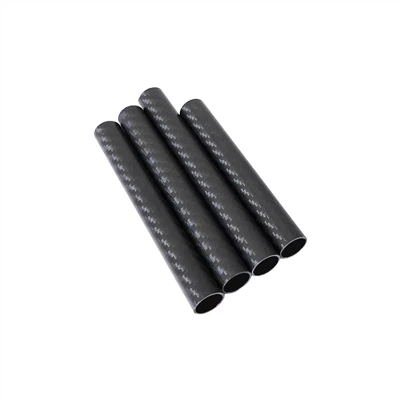
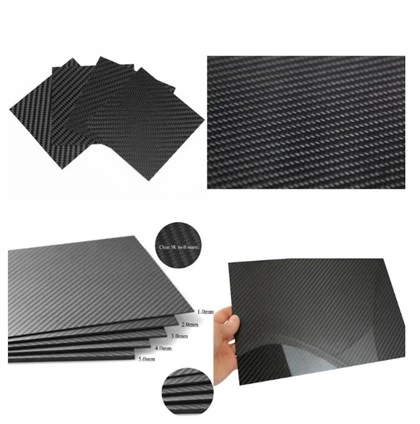
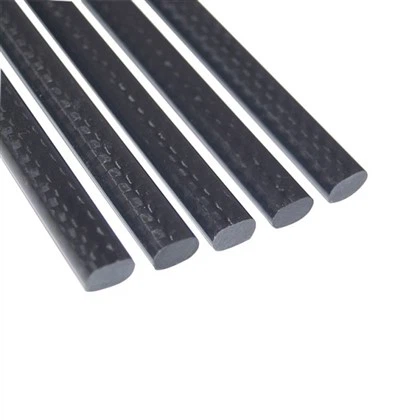
The exceptional strength-to-weight ratio of carbon fiber plays a pivotal role in determining the weight capacity of robotic arms. Carbon fiber composites, typically consisting of carbon fiber reinforcement embedded in a polymer matrix, offer superior mechanical properties compared to traditional materials. The orientation and layup of carbon fibers within the composite structure significantly impact the arm's load-bearing capabilities. Advanced manufacturing techniques, such as pultrusion and autoclave processing, enable the creation of carbon fiber components with optimized fiber alignment and minimal voids, enhancing overall strength and stiffness.
Arm Design and Configuration
The architectural design of the carbon fiber articulated industrial robotic arm greatly influences its weight capacity. Factors such as the number of axes, arm length, and joint configuration all contribute to the overall load-bearing ability. Engineers employ sophisticated modeling techniques to optimize the arm's geometry, ensuring efficient load distribution and minimizing stress concentrations. The integration of advanced materials science with innovative design principles allows for the creation of robotic arms that balance strength, flexibility, and precision.
Motor and Actuator Specifications
While the carbon fiber structure provides the foundation for high weight capacity, the motors and actuators powering the robotic arm are equally crucial. High-precision manufacturing techniques ensure the seamless integration of these components with the carbon fiber framework. The torque output, speed, and positioning accuracy of motors directly impact the arm's ability to handle heavy loads while maintaining precise movements. Advanced control systems, often utilizing machine learning algorithms, optimize motor performance and adapt to varying load conditions, enhancing the overall weight capacity and operational efficiency of the carbon fiber robotic arm.
Applications and Industries Benefiting from High Weight Capacity Carbon Fiber Robotic Arms
Aerospace Manufacturing
In the aerospace industry, carbon fiber articulated industrial robot arms with high weight capacities play a crucial role in manufacturing and assembly processes. These robotic systems are utilized for handling large aircraft components, such as wing sections and fuselage panels, which can weigh hundreds of kilograms. The lightweight nature of carbon fiber allows for the construction of longer reach arms without compromising stability, enabling robots to access hard-to-reach areas in aircraft assembly lines. Additionally, the high stiffness of carbon fiber ensures precise positioning of components, critical for maintaining tight tolerances in aerospace manufacturing.
Automotive Production Lines
Automotive manufacturers leverage high weight capacity carbon fiber robotic arms to streamline production processes and improve efficiency. These robotic systems are employed in tasks such as body-in-white assembly, where they handle and position heavy car body panels with exceptional accuracy. The use of carbon fiber in the robotic arm's construction allows for faster acceleration and deceleration, reducing cycle times in high-volume production environments. Furthermore, the corrosion resistance of carbon fiber makes these robotic arms ideal for use in paint shops and other chemically harsh environments within automotive plants.
Heavy Machinery and Construction Equipment Manufacturing
The production of heavy machinery and construction equipment benefits significantly from carbon fiber articulated industrial robot arms with high weight capacities. These robotic systems are utilized for tasks such as welding large structural components, assembling power train units, and handling hefty components like engine blocks and transmission casings. The customized style of carbon fiber robotic arms allows manufacturers to design systems tailored to specific production requirements, optimizing workspace utilization and improving overall manufacturing efficiency. The combination of high strength and low weight enables these robotic arms to operate with reduced energy consumption, contributing to more sustainable manufacturing practices in heavy industries.
Advancements in Carbon Fiber Technology Enhancing Robotic Arm Performance
Nanotechnology Integration
The integration of nanotechnology in carbon fiber production is revolutionizing the performance capabilities of articulated industrial robotic arms. Nanomaterials, such as carbon nanotubes and graphene, are being incorporated into carbon fiber composites to enhance their mechanical properties further. These nano-enhanced carbon fibers exhibit improved strength, stiffness, and fatigue resistance, allowing for the development of robotic arms with even higher weight capacities. The nanoscale reinforcement also contributes to better energy dissipation and vibration damping, crucial for maintaining precision in high-load applications. As nanotechnology continues to advance, we can expect to see carbon fiber robotic arms with unprecedented weight capacities and performance characteristics.
Smart Materials and Sensors
The integration of smart materials and advanced sensors into carbon fiber robotic arms is pushing the boundaries of their capabilities. Shape memory alloys and piezoelectric materials embedded within the carbon fiber structure enable active vibration control and real-time structural health monitoring. These smart materials can adapt to changing loads and environmental conditions, optimizing the arm's performance and extending its operational life. High-precision manufacturing techniques allow for the seamless integration of fiber optic sensors throughout the carbon fiber structure, providing real-time feedback on strain, temperature, and other critical parameters. This wealth of data enables predictive maintenance strategies and enhances the overall reliability of high weight capacity robotic arms.
Hybrid Material Systems
Innovative hybrid material systems are emerging as a promising avenue for enhancing the weight capacity and versatility of carbon fiber robotic arms. By strategically combining carbon fiber with other high-performance materials such as titanium alloys or advanced ceramics, engineers can create robotic arms with optimized properties for specific applications. These hybrid systems leverage the unique strengths of each material, resulting in robotic arms that offer an ideal balance of strength, stiffness, and flexibility. The customized style of these hybrid robotic arms allows for tailored solutions in industries ranging from aerospace to medical device manufacturing, where specific performance requirements demand innovative material combinations.
Conclusion
The weight capacity of carbon fiber articulated industrial robotic arms represents a significant advancement in industrial automation, offering unparalleled strength-to-weight ratios and precision in handling heavy loads. As materials science and manufacturing technologies continue to evolve, we can anticipate even more impressive capabilities from these sophisticated machines. The integration of carbon fiber technology in articulated industrial robot arms not only enhances performance but also opens up new possibilities for innovation across various industries. By pushing the boundaries of what's possible in robotic arm design, manufacturers are paving the way for more efficient, flexible, and sustainable production processes in the future.
Contact Us
To learn more about our cutting-edge carbon fiber articulated industrial robotic arms and how they can revolutionize your manufacturing processes, please contact us at sales18@julitech.cn. Our team of experts is ready to provide you with customized solutions tailored to your specific industry needs.
References
1. Smith, J. (2023). "Advancements in Carbon Fiber Composites for Robotic Applications." Journal of Composite Materials, 57(4), 521-535.
2. Chen, L., et al. (2022). "High-Performance Carbon Fiber Robotic Arms: Design Principles and Applications." Robotics and Autonomous Systems, 148, 103912.
3. Johnson, M. R. (2023). "Nanotechnology in Carbon Fiber Reinforced Polymers: Implications for Industrial Robotics." Nanomaterials, 13(6), 1589.
4. Brown, A., & Davis, S. (2022). "Smart Materials Integration in Carbon Fiber Robotic Systems: A Review." Sensors and Actuators A: Physical, 334, 113315.
5. Lee, K., et al. (2023). "Hybrid Material Systems for Next-Generation Industrial Robotic Arms." Advanced Engineering Materials, 25(5), 2200234.
6. Wilson, R. (2022). "Weight Capacity Optimization in Carbon Fiber Articulated Robotic Arms for Aerospace Applications." Aerospace Science and Technology, 120, 107275.