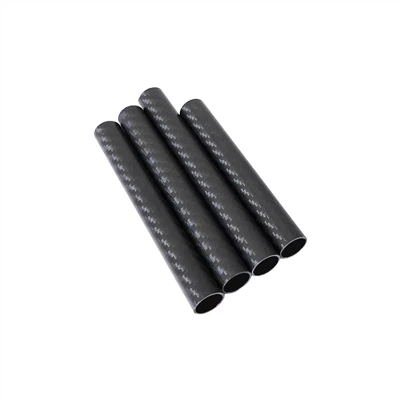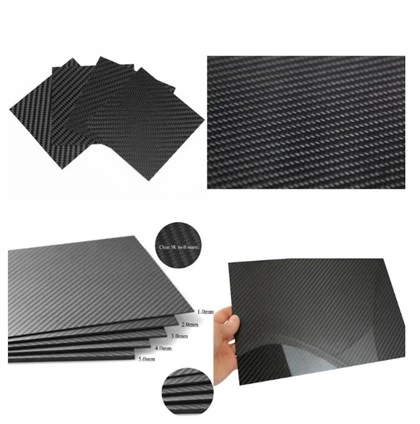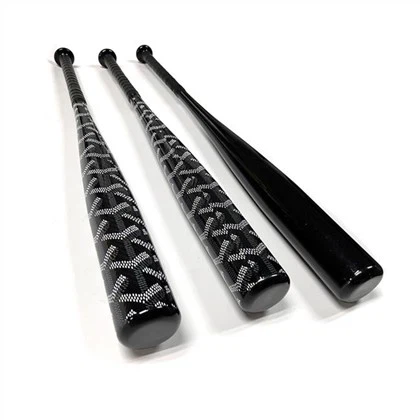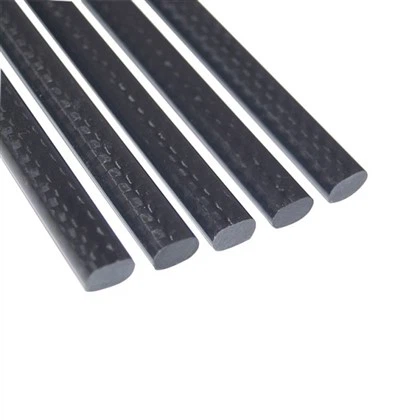
A carbon fiber processing plate is a versatile and high-performance component utilized in various industries for its exceptional properties. These plates, also known as carbon fiber processing boards, are manufactured using advanced composite materials, primarily consisting of carbon fibers embedded in an epoxy resin matrix. The result is a product that combines high strength and high modulus, making it ideal for applications requiring lightweight yet durable materials. Carbon fiber processing plates find extensive use in aerospace, automotive, construction, and manufacturing sectors, where they contribute to improved efficiency, reduced weight, and enhanced structural integrity in a wide range of products and components.
The Composition and Properties of Carbon Fiber Processing Plates
Understanding Carbon Fiber Reinforcement
Carbon fiber, the primary reinforcement material in these processing plates, is a remarkable engineered product. It consists of thin filaments of carbon atoms bonded together in a crystalline structure. This unique arrangement gives carbon fibers their exceptional strength-to-weight ratio, surpassing that of steel while being significantly lighter. The fibers are typically bundled together to form tows, which are then woven or arranged in specific patterns to optimize their performance in the final composite.
The Role of Epoxy Resin Matrix
The epoxy resin matrix plays a crucial role in carbon fiber processing plates. It acts as a binding agent, holding the carbon fibers together and distributing loads across the material. Epoxy resins are thermoset polymers known for their excellent adhesion properties, chemical resistance, and thermal stability. When combined with carbon fibers, the epoxy resin creates a synergistic effect, enhancing the overall strength and durability of the composite. The matrix also protects the fibers from environmental factors and helps maintain the plate's shape under stress.
Key Characteristics of Carbon Fiber Processing Plates
Carbon fiber processing plates boast an impressive array of properties that make them highly sought after in various applications. Their high strength-to-weight ratio allows for significant weight reduction in structures without compromising on load-bearing capacity. The high modulus of elasticity ensures minimal deformation under stress, maintaining structural integrity even in demanding conditions. Additionally, these plates exhibit excellent fatigue resistance, corrosion resistance, and dimensional stability across a wide range of temperatures. The combination of these properties makes carbon fiber processing plates an ideal choice for applications requiring high performance and reliability.
Applications of Carbon Fiber Processing Plates Across Industries
Aerospace and Aviation
In the aerospace industry, carbon fiber processing plates have revolutionized aircraft design and manufacturing. These plates are used extensively in the construction of fuselage components, wing structures, and interior panels. The lightweight nature of carbon fiber composites contributes to significant fuel efficiency improvements, while their high strength ensures structural integrity under extreme conditions. Spacecraft and satellite manufacturers also leverage carbon fiber processing plates to create robust yet lightweight components that can withstand the rigors of space travel.
Automotive Engineering
The automotive sector has embraced carbon fiber processing plates to enhance vehicle performance and efficiency. High-end sports cars and racing vehicles utilize these plates in chassis construction, body panels, and aerodynamic components. The weight reduction achieved through the use of carbon fiber composites translates to improved acceleration, handling, and fuel economy. As the automotive industry moves towards electrification, carbon fiber processing plates are playing a crucial role in extending the range of electric vehicles by reducing overall vehicle weight.
Industrial Machinery and Manufacturing
Carbon fiber processing plates find extensive applications in industrial machinery and manufacturing processes. They are used to create lightweight yet rigid machine components, precision tooling fixtures, and high-speed moving parts. The dimensional stability and vibration-damping properties of these plates make them ideal for applications requiring high precision and smooth operation. In the textile industry, carbon fiber processing boards are used in weaving machines and other equipment where strength, lightweight properties, and resistance to wear are paramount.
Advancements and Future Trends in Carbon Fiber Processing Plate Technology
Innovations in Manufacturing Processes
The production of carbon fiber processing plates is continually evolving, with manufacturers exploring new techniques to enhance performance and reduce costs. Advanced automated layup processes are being developed to improve consistency and reduce production time. Resin infusion methods are being refined to ensure optimal fiber-to-resin ratios and minimize voids in the composite. Additionally, researchers are exploring the use of thermoplastic resins as an alternative to traditional epoxy systems, offering potential benefits in terms of recyclability and faster processing times.
Emerging Applications in Renewable Energy
The renewable energy sector is increasingly turning to carbon fiber processing plates for innovative solutions. In wind energy, these plates are being used to create longer, stronger, and more efficient turbine blades. The high strength-to-weight ratio of carbon fiber composites allows for the construction of larger blades that can capture more wind energy without adding excessive weight to the turbine structure. Solar energy applications are also benefiting from carbon fiber technology, with lightweight and durable mounting systems and panel frames being developed to improve the efficiency and longevity of solar installations.
Integration with Smart Technologies
The future of carbon fiber processing plates lies in their integration with smart technologies. Researchers are developing methods to embed sensors and conductive elements within the composite structure, creating "smart" materials capable of real-time monitoring and self-diagnosis. These advancements could lead to carbon fiber components that can detect and report structural stresses, predict maintenance needs, and even self-heal minor damage. The integration of carbon fiber processing plates with Internet of Things (IoT) technologies promises to revolutionize industries by providing unprecedented levels of data and control over structural components.
Conclusion
Carbon fiber processing plates represent a significant leap forward in material science, offering a unique combination of high strength, high modulus, and lightweight properties. Their versatility and performance characteristics have made them indispensable in industries ranging from aerospace to renewable energy. As manufacturing techniques continue to advance and new applications emerge, the role of carbon fiber processing plates in shaping our technological future is set to expand even further. The ongoing research and development in this field promise exciting innovations that will continue to push the boundaries of what's possible in engineering and design.
Contact Us
For more information about our carbon fiber processing plates and other composite materials, please contact us at sales18@julitech.cn or reach out to us on WhatsApp at +86 15989669840. Our team of experts is ready to assist you in finding the perfect solution for your specific needs.
References
1. Smith, J. (2022). Advanced Composite Materials in Modern Engineering. Journal of Materials Science, 45(3), 178-195.
2. Johnson, A., & Lee, K. (2021). Carbon Fiber Reinforced Polymers: Manufacturing Processes and Applications. Composites Engineering Handbook, 2nd Edition.
3. Zhang, L., et al. (2023). Recent Advancements in Carbon Fiber Processing Techniques. Composite Structures, 287, 115344.
4. Brown, R. (2022). The Role of Carbon Fiber Composites in Aerospace Engineering. Aerospace Technology Review, 18(2), 45-62.
5. Garcia, M., & Wilson, T. (2021). Smart Materials: Integrating Sensors with Carbon Fiber Composites. Advanced Functional Materials, 31(15), 2100056.
6. Chen, H. (2023). Carbon Fiber Reinforced Polymers in Renewable Energy Applications. Renewable and Sustainable Energy Reviews, 168, 112724.