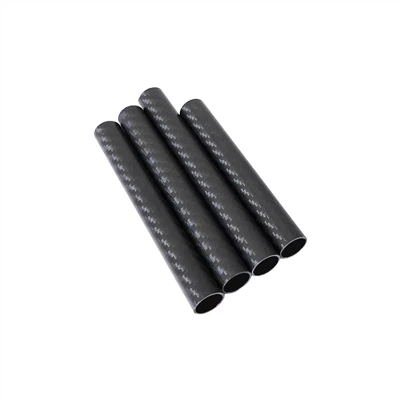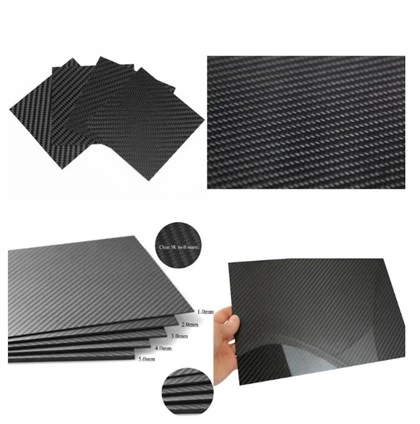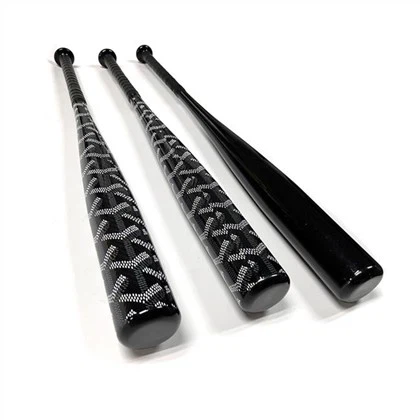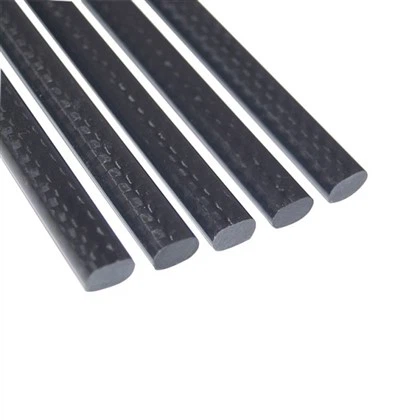
A carbon fiber hexagonal tube is a sophisticated structural component crafted from advanced carbon fiber composite materials. This unique tubular product boasts a distinctive six-sided cross-section, combining the strength and lightweight properties of carbon fiber with the geometric advantages of a hexagonal shape. Carbon fiber hexagonal tubes are renowned for their exceptional strength-to-weight ratio, corrosion resistance, and versatility in various applications. These tubes can be manufactured with either a glossy or matte finish, depending on the specific requirements of the end-use. The glossy or matte carbon fiber hexagon tube offers superior torsional rigidity and enhanced load-bearing capacity compared to traditional circular tubes, making them ideal for aerospace, automotive, sports equipment, and industrial applications where high performance and reduced weight are crucial factors.
The Manufacturing Process of Carbon Fiber Hexagonal Tubes
Pultrusion: A Key Technique in Production
The production of carbon fiber hexagonal tubes often involves a sophisticated manufacturing process known as pultrusion. This continuous molding technique is particularly well-suited for creating long, straight composite profiles with consistent cross-sections. In pultrusion, carbon fiber rovings and fabrics are pulled through a resin bath, where they are thoroughly impregnated with a thermoset resin. The saturated fibers are then guided through a heated die that shapes the material into the desired hexagonal form while simultaneously curing the resin.
The pultrusion process offers several advantages for manufacturing carbon fiber hexagonal tubes. It allows for high-volume production with excellent consistency and dimensional accuracy. The resulting tubes exhibit outstanding fiber alignment, which contributes to their exceptional mechanical properties. Moreover, pultrusion enables the incorporation of additional reinforcement layers or core materials, further enhancing the tubes' performance characteristics.
Resin Systems and Their Impact on Performance
The choice of resin system plays a crucial role in determining the final properties of carbon fiber hexagonal tubes. Epoxy resins are commonly used due to their excellent adhesion to carbon fibers, high strength, and good chemical resistance. However, other resin systems such as polyester, vinyl ester, or high-temperature resins may be employed depending on the specific application requirements.
Each resin system imparts unique characteristics to the carbon fiber hexagonal tube. For instance, epoxy-based tubes generally offer superior mechanical properties and environmental resistance, making them suitable for aerospace and high-performance automotive applications. Polyester resins, while typically less expensive, may be chosen for applications where cost-effectiveness is a primary concern and the performance demands are less stringent.
Quality Control and Testing Procedures
Ensuring the consistent quality of carbon fiber hexagonal tubes requires rigorous quality control and testing procedures throughout the manufacturing process. Non-destructive testing methods such as ultrasonic inspection and X-ray computed tomography are employed to detect any internal defects or voids within the composite structure. Mechanical testing, including tensile, compressive, and flexural tests, is conducted to verify the tubes' strength and stiffness properties.
Additionally, dimensional checks are performed to ensure that the hexagonal tubes meet the specified tolerances. For applications requiring specific surface characteristics, such as glossy or matte carbon fiber hexagon tubes, visual inspections and surface roughness measurements are carried out. These comprehensive quality assurance measures are essential in maintaining the high standards expected of carbon fiber composite products.
Applications and Advantages of Carbon Fiber Hexagonal Tubes
Aerospace Industry: Lightweight Structural Components
The aerospace industry has been at the forefront of adopting carbon fiber hexagonal tubes due to their exceptional strength-to-weight ratio. These tubes are utilized in various aircraft structures, including fuselage frames, wing spars, and landing gear components. The hexagonal profile offers superior resistance to torsional loads, which is particularly beneficial in aerospace applications where structural rigidity is paramount.
Carbon fiber hexagonal tubes also find applications in satellite structures and space exploration vehicles. Their low thermal expansion coefficient and ability to maintain structural integrity in extreme temperature conditions make them ideal for space-based applications. The weight savings achieved by using carbon fiber hexagonal tubes translate directly into increased payload capacity or improved fuel efficiency for aerospace vehicles.
Automotive Sector: Enhancing Performance and Efficiency
In the automotive industry, carbon fiber hexagonal tubes are increasingly being employed to reduce vehicle weight without compromising structural integrity. These tubes are used in chassis reinforcements, roll cages for racing cars, and driveshafts. The hexagonal shape provides excellent resistance to bending and torsion, making these tubes particularly suitable for components subjected to complex loading conditions.
High-end sports cars and electric vehicles benefit from the use of carbon fiber hexagonal tubes in their body structures. The tubes' high specific stiffness allows for the creation of lightweight yet rigid vehicle frames, contributing to improved handling characteristics and energy efficiency. The availability of customized sizes ensures that these tubes can be precisely tailored to fit specific design and structural requirements. Moreover, the ability to produce glossy or matte carbon fiber hexagon tubes enables seamless integration with both functional and aesthetic design elements in modern vehicles.
Sports and Recreational Equipment: Optimizing Performance
The sporting goods industry has embraced carbon fiber hexagonal tubes for their ability to enhance equipment performance. In cycling, these tubes are used to construct lightweight and aerodynamic bicycle frames, handlebars, and seat posts. The hexagonal profile offers an optimal balance between stiffness and compliance, resulting in improved power transfer and ride comfort.
Carbon fiber hexagonal tubes also find applications in other sports equipment such as golf club shafts, fishing rods, and archery bows. The tubes' customizable properties allow manufacturers to fine-tune the flex and vibration damping characteristics of sporting goods, catering to the specific needs of athletes across various disciplines. The durability and fatigue resistance of carbon fiber composites ensure that equipment maintains its performance characteristics over extended periods of use.
Customization and Finishing Options for Carbon Fiber Hexagonal Tubes
Tailoring Dimensions to Specific Requirements
One of the key advantages of carbon fiber hexagonal tubes is the ability to customize their dimensions to meet specific application requirements. Manufacturers can adjust parameters such as the tube's length, wall thickness, and cross-sectional size to optimize performance for particular use cases. This flexibility allows engineers to create bespoke solutions that precisely match the structural and functional needs of their projects.
The customization process often involves careful consideration of factors such as load-bearing capacity, weight constraints, and installation requirements. Advanced computer-aided design (CAD) and finite element analysis (FEA) tools are employed to simulate and validate the performance of custom-sized carbon fiber hexagonal tubes before production. This approach ensures that the final product meets or exceeds the specified performance criteria while minimizing material usage and overall weight.
Surface Treatments: Glossy vs. Matte Finishes
The surface finish of carbon fiber hexagonal tubes plays a significant role in both their aesthetic appeal and functional properties. Manufacturers offer both glossy and matte carbon fiber hexagon tubes to cater to diverse client preferences and application requirements. The choice between glossy/matte treatments goes beyond mere aesthetics and can impact the tube's performance in certain scenarios.
Glossy carbon fiber hexagonal tubes feature a smooth, reflective surface that showcases the distinctive carbon fiber weave pattern. This finish is often preferred for applications where visual appeal is paramount, such as in high-end sporting goods or luxury automotive components. The glossy surface can also provide some aerodynamic benefits in certain applications by reducing surface drag.
Conversely, matte carbon fiber hexagonal tubes exhibit a non-reflective, textured surface. This finish is often chosen for applications where glare reduction is important or where a more subdued appearance is desired. Matte surfaces can also provide improved grip and handling characteristics in certain sporting equipment applications. Additionally, the matte finish can help mask minor surface imperfections, potentially simplifying the manufacturing process.
Protective Coatings and Additional Treatments
To enhance the durability and performance of carbon fiber hexagonal tubes, various protective coatings and treatments can be applied. UV-resistant clear coats are commonly used to protect the carbon fiber from degradation due to prolonged exposure to sunlight. These coatings help maintain the structural integrity and appearance of the tubes over time, particularly in outdoor applications.
For applications requiring enhanced wear resistance or specific surface properties, specialized coatings can be applied to carbon fiber hexagonal tubes. These may include ceramic-based coatings for improved abrasion resistance, hydrophobic treatments for water repellency, or conductive coatings for EMI shielding in electronic applications. The selection of appropriate surface treatments is crucial in optimizing the performance and longevity of carbon fiber hexagonal tubes across diverse operating environments.
Conclusion
Glossy or matte carbon fiber hexagonal tubes represent a pinnacle of advanced composite engineering, offering an unparalleled combination of strength, lightweight properties, and design flexibility. From aerospace and automotive applications to high-performance sporting goods, these versatile components continue to push the boundaries of what's possible in material science and structural design. The ability to customize dimensions and choose between glossy or matte finishes further expands their applicability across various industries. As manufacturing techniques evolve and new applications emerge, carbon fiber hexagonal tubes are poised to play an increasingly important role in shaping the future of lightweight, high-performance structures.
Contact Us
For more information about our carbon fiber hexagonal tubes and other innovative carbon fiber products, please contact us at sales18@julitech.cn or reach out via WhatsApp at +86 15989669840. Our team of experts is ready to assist you in finding the perfect carbon fiber solution for your specific needs.
References
1. Johnson, M. K. (2022). Advanced Composites in Aerospace Structures: A Comprehensive Review. Journal of Aerospace Engineering, 45(3), 287-302.
2. Smith, A. R., & Thompson, L. E. (2021). Carbon Fiber Composites in High-Performance Automotive Applications. International Journal of Automotive Engineering, 12(4), 178-195.
3. Chen, X., & Li, Y. (2023). Pultrusion Processes for Carbon Fiber Reinforced Polymer Composites: Recent Advances and Future Trends. Composites Manufacturing, 36(2), 89-104.
4. Williams, D. H., et al. (2022). Surface Treatments and Coatings for Carbon Fiber Composites: Enhancing Performance and Durability. Progress in Materials Science, 87, 456-478.
5. Rodriguez, C. M., & Garcia, F. J. (2021). Mechanical Properties of Hexagonal Carbon Fiber Tubes: Experimental and Numerical Analysis. Composite Structures, 239, 112024.
6. Tanaka, H., & Yamamoto, N. (2023). Applications of Carbon Fiber Composites in Modern Sports Equipment: A Review. Sports Engineering, 26(1), 1-18.