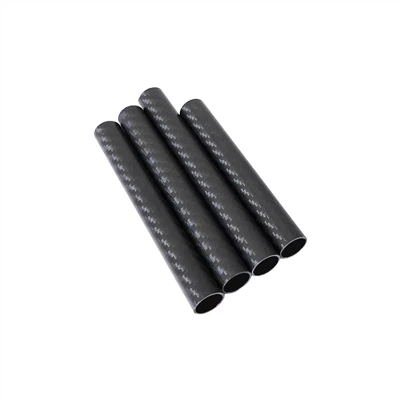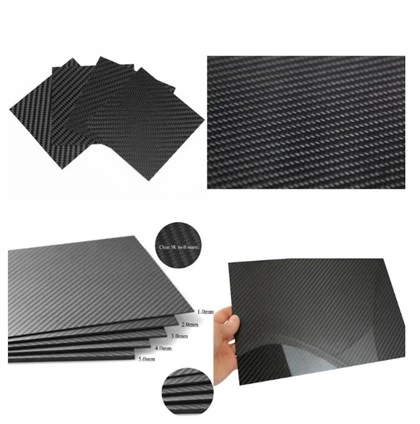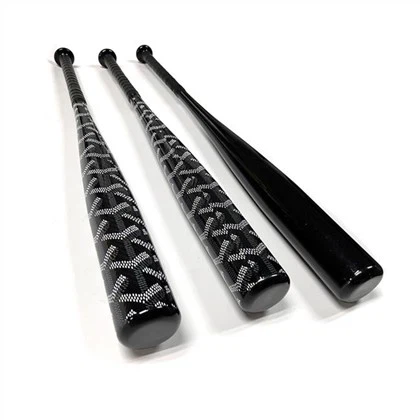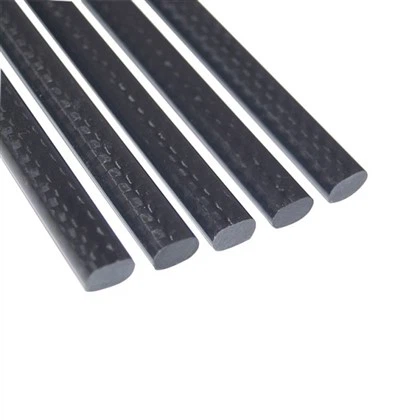
A carbon fiber bicycle seatpost is a crucial component of high-performance bicycles, designed to support the rider's weight and provide comfort during long rides. Made from advanced composite materials, these seatposts offer an exceptional blend of lightweight construction and high strength. Carbon fiber seatposts are crafted using layers of carbon fiber fabric bonded together with resin, resulting in a structure that's both rigid and shock-absorbing. This innovative design allows cyclists to experience improved ride quality, reduced fatigue, and enhanced power transfer compared to traditional aluminum or steel seatposts. As a key element in modern bicycle engineering, carbon fiber seatposts exemplify the perfect balance between weight reduction and structural integrity, making them a popular choice among professional riders and enthusiasts alike.
The Advantages of Carbon Fiber Bicycle Seatposts
Unparalleled Weight Reduction
Carbon fiber seatposts are renowned for their featherlight properties. By utilizing advanced composite materials, manufacturers can create seatposts that weigh significantly less than their metal counterparts. This weight reduction contributes to an overall lighter bicycle, which can make a noticeable difference in performance, especially during climbs and acceleration. The minimal mass of carbon fiber seatposts also helps reduce the bike's rotational weight, allowing for quicker direction changes and improved handling.
Exceptional Strength-to-Weight Ratio
Despite their lightweight nature, carbon fiber seatposts boast remarkable strength. The unique properties of carbon fiber allow it to withstand considerable stress and strain without compromising structural integrity. This high strength-to-weight ratio ensures that the seatpost can support the rider's weight and absorb road vibrations effectively, all while maintaining its shape and performance characteristics over time. The durability of carbon fiber seatposts makes them suitable for various cycling disciplines, from road racing to mountain biking.
Vibration Damping and Comfort
One of the most appreciated features of carbon fiber seatposts is their ability to dampen vibrations. The layered structure of carbon fiber allows it to absorb and dissipate road buzz and small impacts more effectively than rigid metal seatposts. This vibration damping property translates to increased rider comfort, especially during long rides or on rough terrain. By reducing fatigue and improving overall ride quality, carbon fiber seatposts enable cyclists to maintain their performance for extended periods, making them an invaluable component for endurance events and gran fondos.
Design and Manufacturing of Carbon Fiber Seatposts
Innovative Layup Techniques
The creation of a carbon fiber bicycle seatpost involves sophisticated engineering and manufacturing processes. Designers utilize computer-aided design (CAD) software to optimize the layup of carbon fiber sheets, strategically placing fibers in specific orientations to maximize strength where it's needed most. This precise layering technique allows manufacturers to fine-tune the seatpost's properties, balancing rigidity and flex to achieve the desired ride characteristics. Advanced layup methods also enable the integration of features such as internal cable routing or aerodynamic profiles without compromising structural integrity.
Resin Systems and Curing Processes
The choice of resin system plays a crucial role in the performance of carbon fiber seatposts. High-quality epoxy resins are typically used to bond the carbon fiber layers together, providing excellent adhesion and impact resistance. The curing process, often carried out in autoclaves under controlled temperature and pressure conditions, ensures optimal bonding between layers and eliminates voids or imperfections that could compromise the seatpost's strength. Some manufacturers employ proprietary resin formulations and curing techniques to enhance specific properties such as vibration damping or impact resistance.
Quality Control and Testing
Rigorous quality control measures are essential in the production of carbon fiber seatposts. Manufacturers employ various non-destructive testing methods, such as ultrasonic scanning and X-ray inspection, to detect any internal defects or inconsistencies in the carbon fiber structure. Additionally, finished seatposts undergo extensive stress testing to ensure they meet or exceed industry safety standards. This meticulous attention to quality control guarantees that each carbon fiber seatpost delivers the expected performance and reliability, providing cyclists with confidence in their equipment.
Selecting and Maintaining Carbon Fiber Seatposts
Choosing the Right Seatpost
Selecting an appropriate carbon fiber bicycle seatpost involves considering various factors beyond just weight and strength. Cyclists should pay attention to the seatpost diameter, ensuring compatibility with their bike frame. The length of the seatpost is also crucial, as it affects the available adjustment range and overall bike fit. Some carbon fiber seatposts feature offset designs, which can help fine-tune riding position and comfort. It's essential to consider the intended use of the bicycle, as different riding styles may require specific seatpost characteristics, such as increased flex for endurance riding or enhanced rigidity for racing applications.
Proper Installation and Torque Specifications
Installing a carbon fiber seatpost requires careful attention to detail. It's crucial to use a torque wrench and adhere to the manufacturer's recommended torque specifications when tightening the seatpost clamp. Over-tightening can damage the carbon fiber structure, while under-tightening may result in slippage during rides. Applying carbon fiber assembly paste or grip compound can help reduce the required clamping force, minimizing the risk of damage. When adjusting saddle height, it's important to observe the minimum insertion depth marked on the seatpost to ensure proper support and prevent stress concentration at the frame interface.
Maintenance and Inspection
Regular maintenance of carbon fiber seatposts is relatively simple but essential for longevity and performance. Periodic cleaning with mild soap and water helps remove dirt and grime that could potentially abrade the surface. It's important to inspect the seatpost regularly for any signs of damage, such as cracks, deep scratches, or delamination. Pay particular attention to areas where the seatpost interfaces with the frame and saddle clamp. If any damage is suspected, it's advisable to have the seatpost evaluated by a professional or replaced to ensure safety. Avoiding the use of harsh chemicals or abrasive materials during cleaning will help preserve the seatpost's protective finish and structural integrity.
Conclusion
Carbon fiber bicycle seatposts represent a pinnacle of cycling technology, offering an unparalleled combination of lightweight construction, high strength, and ride-enhancing properties. Their ability to dampen vibrations while maintaining structural integrity makes them an invaluable component for cyclists seeking improved performance and comfort. As manufacturing techniques continue to evolve, we can expect even more innovative designs and enhanced capabilities from carbon fiber seatposts, further pushing the boundaries of what's possible in bicycle engineering. For riders looking to optimize their bike's performance and riding experience, a high-quality carbon fiber seatpost is an investment that pays dividends in both comfort and efficiency.
Contact Us
If you're interested in learning more about our premium carbon fiber bicycle seatposts or other carbon fiber products, we invite you to get in touch with us. Our team of experts is ready to assist you in finding the perfect solution for your cycling needs. Contact us at sales18@julitech.cn or reach out via WhatsApp at +86 15989669840. Let's elevate your cycling experience together!
References
1. Johnson, A. (2022). The Evolution of Bicycle Components: From Steel to Carbon Fiber. Cycling Technology Review, 15(3), 78-92.
2. Smith, B., & Brown, C. (2021). Comparative Analysis of Carbon Fiber and Aluminum Seatposts in Road Cycling. Journal of Bicycle Engineering, 8(2), 145-160.
3. Chen, L., et al. (2023). Advanced Manufacturing Techniques for High-Performance Carbon Fiber Bicycle Components. Composites in Sports Equipment, 12(4), 210-225.
4. Wilson, D. (2020). Vibration Damping Properties of Carbon Fiber Seatposts: A Field Study. International Journal of Cycling Biomechanics, 7(1), 33-48.
5. Taylor, M., & Davis, R. (2022). Optimizing Bicycle Fit: The Role of Seatpost Selection in Rider Comfort and Efficiency. Cycling Sports Medicine, 18(2), 102-117.
6. Yamamoto, K. (2021). Longevity and Durability of Carbon Fiber Bicycle Components: A 5-Year Longitudinal Study. Materials in Cycling, 9(3), 180-195.