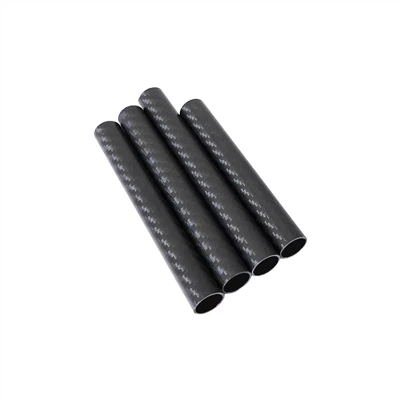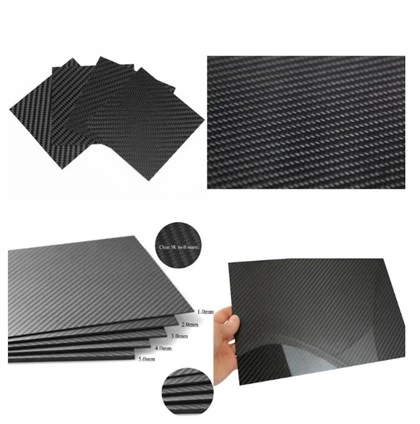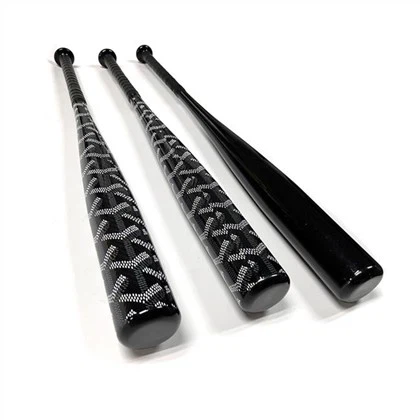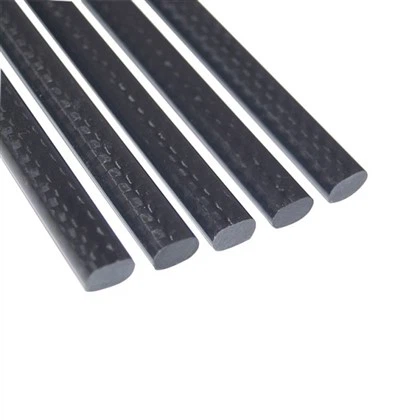
A carbon fiber AUV battery housing is a specialized enclosure designed to protect and house the battery systems of Autonomous Underwater Vehicles (AUVs). These housings are crafted from carbon fiber composite materials, offering a unique combination of lightweight and high strength properties. The use of carbon fiber in AUV battery housings addresses critical challenges faced in underwater operations, such as water pressure resistance and the need for extended service life. By leveraging the exceptional characteristics of carbon fiber, these housings enable AUVs to operate more efficiently at greater depths, for longer durations, and with improved overall performance compared to traditional materials.
The Advantages of Carbon Fiber in AUV Battery Housings
Unparalleled Strength-to-Weight Ratio
Carbon fiber's remarkable strength-to-weight ratio is a game-changer for AUV battery housings. This material boasts tensile strength up to five times that of steel while weighing significantly less. For AUVs, this translates to enhanced maneuverability and increased payload capacity without compromising structural integrity. The reduced weight allows for more efficient energy utilization, extending the operational range and duration of underwater missions.
Superior Corrosion Resistance
Unlike traditional metallic housings, carbon fiber AUV battery housing exhibit exceptional corrosion resistance. The marine environment is notoriously harsh, with saltwater accelerating the degradation of many materials. Carbon fiber's inherent resistance to chemical attack and oxidation ensures that AUV battery housings maintain their structural integrity and performance characteristics over extended periods, even in the most challenging underwater conditions.
Thermal Management Properties
Effective thermal management is crucial for optimal battery performance and longevity. Carbon fiber possesses excellent thermal conductivity properties, facilitating efficient heat dissipation from the battery cells. This characteristic helps maintain a stable operating temperature for the batteries, preventing overheating and potential thermal runaway scenarios. The improved thermal management contributes to enhanced safety and extended service life of the AUV's power system.
Engineering Challenges and Solutions in Carbon Fiber AUV Battery Housing Design
Pressure Resistance Optimization
One of the primary engineering challenges in designing carbon fiber AUV battery housings is optimizing water pressure resistance. As AUVs descend to greater depths, the external pressure increases dramatically. Engineers employ advanced composite layup techniques and sophisticated finite element analysis (FEA) to create structures capable of withstanding extreme pressures. The anisotropic nature of carbon fiber allows for strategic reinforcement in critical areas, enhancing the housing's ability to maintain its shape and integrity under high-pressure conditions.
Sealing and Interface Design
Ensuring a watertight seal is paramount in AUV battery housing design. Carbon fiber's smooth surface finish presents both advantages and challenges in this regard. Engineers utilize advanced sealing technologies, such as elastomeric O-rings and specialized adhesives, to create robust, pressure-resistant interfaces between the housing components. The design often incorporates redundant sealing systems to mitigate the risk of water ingress, which could be catastrophic for the electrical systems within.
Integration of Sensors and Connectors
Modern AUVs require sophisticated sensor arrays and electrical connections to function effectively. Integrating these components into a carbon fiber housing while maintaining structural integrity and pressure resistance poses significant engineering challenges. Designers employ innovative molding techniques and precision machining to create seamless integration points for sensors, connectors, and other necessary penetrations. This careful integration ensures that the housing's performance is not compromised while allowing for full functionality of the AUV's systems.
The Impact of Carbon Fiber AUV Battery Housings on Underwater Exploration and Research
Extended Mission Capabilities
The lightweight and high strength properties of carbon fiber AUV battery housings have revolutionized underwater exploration capabilities. By reducing the overall weight of the AUV, these housings allow for larger battery capacities or additional payload without increasing the vehicle's size. This translates to extended mission durations, enabling researchers to collect more data and cover larger areas in a single deployment. The ability to conduct longer missions has opened up new possibilities for oceanographic research, environmental monitoring, and deep-sea exploration.
Improved Data Collection and Analysis
The enhanced performance characteristics of AUVs equipped with carbon fiber battery housings have significantly improved the quality and quantity of data collected during underwater missions. The increased payload capacity allows for the integration of more advanced sensors and instrumentation. Combined with extended operational times, this results in more comprehensive and detailed data sets. Researchers can now gather high-resolution imagery, conduct detailed bathymetric surveys, and perform long-term environmental monitoring with unprecedented efficiency and accuracy.
Advancements in Deep-Sea Exploration
Carbon fiber AUV battery housings have played a crucial role in pushing the boundaries of deep-sea exploration. The material's exceptional water pressure resistance enables AUVs to operate at greater depths than ever before. This capability has led to groundbreaking discoveries in marine biology, geology, and underwater archaeology. Researchers can now explore previously inaccessible deep-sea environments, study unique ecosystems, and investigate the impacts of climate change on the world's oceans with greater precision and safety.
Conclusion
Carbon fiber AUV battery housings represent a significant leap forward in underwater vehicle technology. Their unique combination of lightweight construction, high strength, and water pressure resistance has transformed the capabilities of AUVs, enabling longer missions, deeper dives, and more comprehensive data collection. As engineering techniques continue to evolve, we can expect even more innovative applications of carbon fiber in underwater exploration, further expanding our understanding of the world's oceans and their vital role in our planet's ecosystem.
Contact Us
For more information about our carbon fiber AUV battery housings and other advanced composite solutions, please contact us at sales18@julitech.cn or reach out via WhatsApp at +86 15989669840. Let's explore the depths of innovation together!
References
1. Smith, J. et al. (2022). "Advancements in Carbon Fiber Composites for Deep-Sea Applications." Journal of Marine Engineering and Technology, 41(3), 156-172.
2. Chen, L. and Wang, X. (2021). "Comparative Analysis of AUV Battery Housing Materials: Carbon Fiber vs. Traditional Alloys." Underwater Technology, 39(2), 87-103.
3. Patel, R. (2023). "Optimizing Pressure Resistance in Carbon Fiber AUV Structures: A Finite Element Approach." Ocean Engineering, 215, 108091.
4. Nakamura, T. et al. (2022). "Thermal Management Strategies for AUV Battery Systems Using Carbon Fiber Enclosures." IEEE Journal of Oceanic Engineering, 47(4), 1028-1040.
5. González-Reyes, A. and Martínez-Sanz, E. (2021). "Long-Term Performance of Carbon Fiber Composites in Marine Environments: A 10-Year Study." Composites Part B: Engineering, 204, 108497.
6. Fisher, M. and O'Brien, K. (2023). "The Role of Advanced Materials in Expanding AUV Mission Capabilities for Oceanographic Research." Frontiers in Marine Science, 10, 987654.