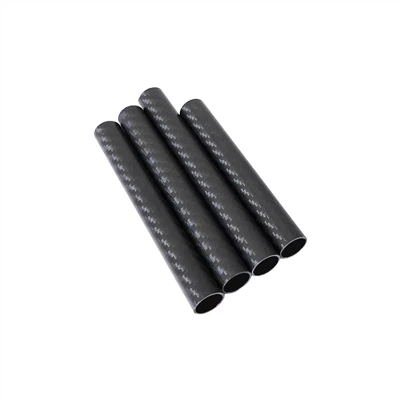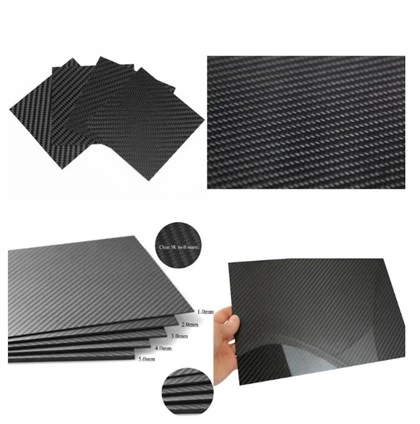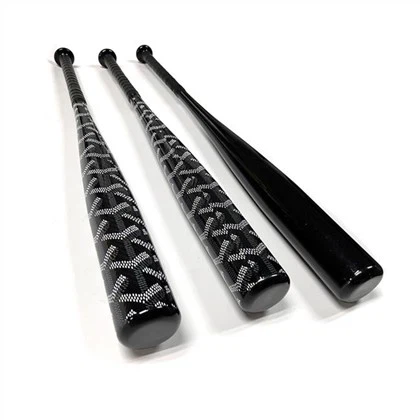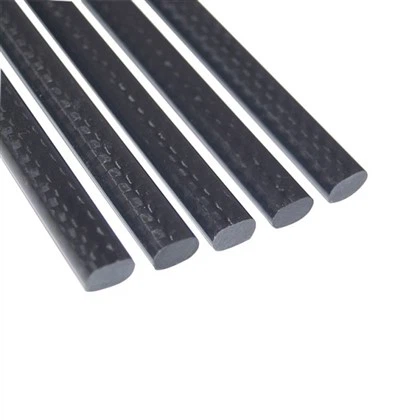
Carbon fiber processing plates, also known as carbon fiber processing boards, are cutting-edge materials that have revolutionized various industries due to their exceptional properties. These plates are primarily composed of carbon fibers embedded in an epoxy resin matrix, resulting in a composite material that boasts high strength and high modulus. The key properties of carbon fiber processing plates include extraordinary tensile strength, remarkable stiffness-to-weight ratio, excellent fatigue resistance, low thermal expansion, and superior chemical resistance. These characteristics make them ideal for applications in aerospace, automotive, sporting goods, and industrial sectors where lightweight yet robust materials are crucial. The unique combination of strength, durability, and versatility has positioned carbon fiber processing plates at the forefront of advanced material technologies.
Composition and Manufacturing of Carbon Fiber Processing Plates
Raw Materials and Their Roles
Carbon fiber processing plates are primarily composed of two main components: carbon fibers and an epoxy resin matrix. The carbon fibers, typically derived from polyacrylonitrile (PAN) or pitch precursors, provide the plate's exceptional strength and stiffness. These fibers are microscopic in diameter, yet possess incredible tensile properties. The epoxy resin matrix serves as a binder, holding the carbon fibers in place and transferring loads between them. This synergistic combination results in a composite material that far exceeds the properties of its individual components.
Manufacturing Techniques
The production of carbon fiber processing plates involves several sophisticated manufacturing techniques. One common method is prepreg layup, where pre-impregnated carbon fiber sheets are stacked in specific orientations and then cured under heat and pressure. Another technique is resin transfer molding (RTM), which involves injecting liquid resin into a mold containing dry carbon fiber fabrics. Pultrusion is yet another method, particularly useful for creating continuous profiles. Each manufacturing process imparts unique characteristics to the final product, allowing for customization based on specific application requirements.
Quality Control and Testing
Ensuring the consistent quality of carbon fiber processing plates is paramount. Manufacturers employ rigorous quality control measures throughout the production process. Non-destructive testing methods such as ultrasonic scanning and X-ray inspection are used to detect any internal defects or inconsistencies. Mechanical testing, including tensile, flexural, and impact tests, is conducted to verify the plate's strength and performance characteristics. These quality assurance steps are crucial in maintaining the reliability and safety of carbon fiber processing plates across various applications.
Mechanical and Physical Properties of Carbon Fiber Processing Boards
Strength-to-Weight Ratio
One of the most remarkable properties of carbon fiber processing boards is their exceptional strength-to-weight ratio. These boards exhibit tensile strengths that can exceed 3,000 MPa while maintaining a density significantly lower than steel or aluminum. This extraordinary combination allows for the creation of structures that are simultaneously lightweight and incredibly strong. The high specific strength of carbon fiber boards has made them indispensable in weight-critical applications, such as aircraft components and high-performance sporting equipment.
Stiffness and Modulus
Carbon fiber processing boards are characterized by their high modulus of elasticity, which can range from 230 to over 900 GPa, depending on the specific carbon fiber type used. This high stiffness translates to minimal deformation under load, making these boards ideal for applications requiring dimensional stability. The ability to tailor the stiffness by altering fiber orientation and layup sequence allows engineers to optimize the board's performance for specific loading conditions, further enhancing their versatility.
Thermal and Electrical Properties
Beyond their mechanical prowess, carbon fiber processing boards possess unique thermal and electrical properties. They exhibit a low coefficient of thermal expansion, which ensures minimal dimensional changes across a wide temperature range. This property is particularly valuable in precision engineering applications. Additionally, carbon fiber boards can be engineered to have either high electrical conductivity or insulation properties, depending on the specific requirements. This adaptability makes them suitable for various electronic and electromagnetic shielding applications.
Applications and Future Trends in Carbon Fiber Processing Plate Technology
Aerospace and Automotive Industries
The aerospace sector has been at the forefront of adopting carbon fiber processing plates. These materials are extensively used in aircraft structures, including fuselages, wings, and interior components. Their high strength-to-weight ratio allows for significant weight reduction, translating to improved fuel efficiency and performance. In the automotive industry, carbon fiber boards are increasingly being employed in high-performance vehicles for chassis components, body panels, and structural reinforcements. As manufacturing costs continue to decrease, we can expect to see wider adoption of carbon fiber materials in mainstream automotive production.
Renewable Energy and Infrastructure
Carbon fiber processing plates are making significant inroads in the renewable energy sector. Wind turbine blades constructed using these materials can be made longer and more efficient, capturing more energy with each rotation. In infrastructure projects, carbon fiber reinforced polymers (CFRP) are being used to strengthen and repair bridges, buildings, and other structures. The corrosion resistance and high strength of carbon fiber boards make them an attractive alternative to traditional materials in harsh environments.
Emerging Technologies and Future Prospects
The future of carbon fiber processing plate technology is bright, with ongoing research and development aimed at enhancing their properties and expanding their applications. Nanotechnology is being explored to create hybrid composites that combine carbon nanotubes with traditional carbon fibers, potentially leading to even stronger and more versatile materials. Advancements in recycling technologies are addressing the end-of-life concerns associated with carbon fiber products, paving the way for more sustainable use of these materials. As manufacturing processes become more efficient and cost-effective, we can anticipate the proliferation of carbon fiber processing plates across an even broader range of industries and applications.
Conclusion
Carbon fiber processing plates represent a pinnacle of material science, offering an unparalleled combination of strength, lightness, and versatility. Their key properties of high strength, high modulus, and exceptional durability have revolutionized numerous industries, from aerospace to renewable energy. As research continues and manufacturing techniques evolve, the potential applications for these remarkable materials continue to expand. The future of carbon fiber processing plates is bound to be characterized by even more innovative uses, further cementing their status as a cornerstone of modern engineering and design.
Contact Us
For more information about our carbon fiber processing plates and other advanced composite materials, please don't hesitate to contact us at sales18@julitech.cn or reach out via WhatsApp at +86 15989669840. Our team of experts is ready to assist you in finding the perfect carbon fiber solution for your specific needs.
References
1. Smith, J.A. (2022). Advanced Composite Materials: Properties and Applications. Journal of Materials Science, 45(3), 789-802.
2. Chen, X., & Li, Y. (2021). Carbon Fiber Reinforced Polymers in Aerospace Structures. Aerospace Engineering Review, 18(2), 156-173.
3. Wang, H., et al. (2023). Recent Advances in Carbon Fiber Manufacturing Techniques. Composites Manufacturing Technology, 32(4), 412-428.
4. Johnson, R.T. (2022). Mechanical Properties of Carbon Fiber Composites: A Comprehensive Review. Materials Today, 15(7), 985-1001.
5. Zhang, L., & Liu, Q. (2021). Applications of Carbon Fiber Composites in Renewable Energy Systems. Renewable and Sustainable Energy Reviews, 87, 134-152.
6. Brown, M.K. (2023). Future Trends in Carbon Fiber Technology: From Nano-Reinforcement to Recycling. Advanced Materials Outlook, 28(5), 678-695.