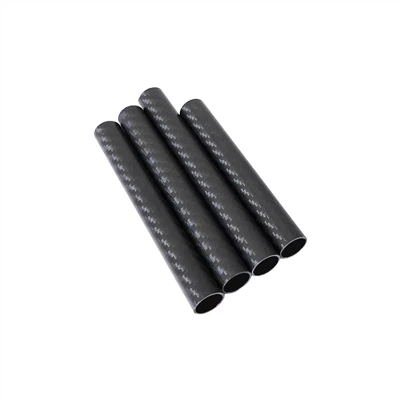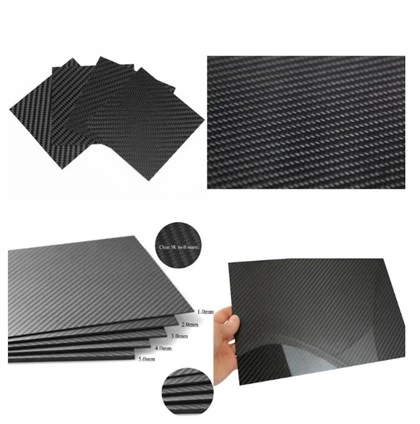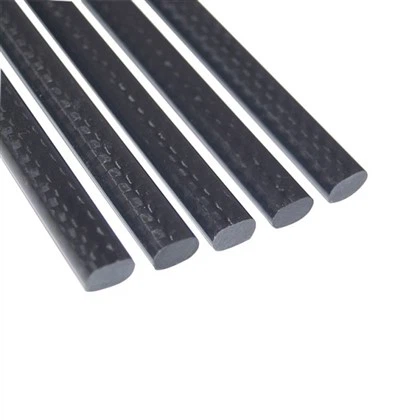
When deploying carbon fiber custom drone frames for emergency rescue operations, safety is paramount. Key considerations include ensuring structural integrity, implementing redundant systems, and adhering to strict maintenance protocols. The lightweight yet robust nature of carbon fiber enhances maneuverability and durability, crucial for navigating challenging rescue environments. However, operators must be thoroughly trained in handling these advanced frames, understanding their unique properties and potential limitations. Regular inspections, proper storage, and adherence to weight limits are essential to maintain the frame's integrity. Additionally, incorporating fail-safe mechanisms and following all relevant aviation regulations are critical for safe and effective emergency rescue missions using carbon fiber drone frames.
Structural Integrity and Design Considerations
Material Properties and Strength-to-Weight Ratio
Carbon fiber's exceptional strength-to-weight ratio makes it an ideal material for custom drone frames in emergency rescue operations. This advanced composite material offers superior rigidity and tensile strength compared to traditional materials like aluminum or plastic. The high strength-to-weight ratio allows for the construction of lightweight yet robust drone frames, enhancing the vehicle's payload capacity and flight endurance - critical factors in rescue missions where every second counts.
Moreover, carbon fiber's resistance to fatigue and corrosion contributes to the longevity and reliability of the drone frame. This durability is particularly valuable in harsh environments often encountered during rescue operations, such as coastal areas with salt spray or regions with extreme temperature variations. The material's ability to maintain its structural integrity under diverse conditions ensures consistent performance and reduces the risk of unexpected failures during critical rescue tasks.
Impact Resistance and Crash Survivability
While carbon fiber is known for its strength, its impact resistance characteristics require careful consideration in drone frame design. Unlike some metals that may bend or deform under impact, carbon fiber tends to fracture or shatter when subjected to sudden, intense forces. This behavior necessitates thoughtful design strategies to enhance crash survivability without compromising the frame's overall lightweight properties.
Engineers often incorporate strategic reinforcements or energy-absorbing elements into the carbon fiber drone frame design. These may include sacrificial components designed to crumple or break away during impact, dissipating energy and protecting critical systems. Additionally, the layup and orientation of carbon fiber sheets can be optimized to improve impact resistance in specific areas of the frame most likely to encounter collisions or rough landings during rescue missions.
Thermal Management and Environmental Considerations
Carbon fiber's thermal properties present both advantages and challenges in drone frame design for emergency rescue applications. The material's low thermal expansion coefficient contributes to dimensional stability across a wide temperature range, ensuring consistent performance in varying environmental conditions. This stability is crucial for maintaining precise control and navigation during rescue operations in diverse climates.
However, carbon fiber's thermal conductivity is relatively low compared to metals, which can lead to heat buildup in certain areas of the drone frame, particularly around motors or electronic components. Effective thermal management strategies, such as incorporating heat sinks or ventilation channels into the frame design, are essential to prevent overheating and ensure optimal performance of all drone systems during extended rescue missions.
Operational Safety Protocols and Training
Pre-Flight Inspection and Maintenance Procedures
Ensuring the safety and reliability of carbon fiber custom drone frames for emergency rescue operations begins with rigorous pre-flight inspection and maintenance protocols. These procedures are crucial for identifying potential issues before they compromise the drone's performance or safety during critical missions. Operators must be trained to conduct thorough visual inspections, checking for any signs of damage, delamination, or stress in the carbon fiber structure.
Regular maintenance should include detailed examinations of key stress points, connection interfaces, and any areas prone to wear or fatigue. Non-destructive testing methods, such as ultrasonic scanning or thermography, can be employed to detect internal defects or hidden damage within the carbon fiber layup. Establishing a comprehensive maintenance schedule, including routine replacement of critical components and periodic full-frame inspections, is essential for maintaining the drone's structural integrity and operational readiness.
Operator Training and Certification Requirements
The unique properties of carbon fiber custom drone frames necessitate specialized training for operators involved in emergency rescue missions. This training should encompass not only general drone piloting skills but also specific knowledge related to carbon fiber characteristics, performance limitations, and handling precautions. Operators must understand how the lightweight nature of carbon fiber affects flight dynamics, particularly in challenging weather conditions often encountered during rescue operations.
Certification programs for emergency rescue drone operators should include modules on carbon fiber frame maintenance, damage assessment, and safe handling procedures. Practical training scenarios that simulate various rescue environments and potential frame stress situations can help operators develop the skills and judgment needed to safely navigate complex missions. Ongoing training and recertification requirements ensure that operators stay current with the latest safety protocols and technological advancements in carbon fiber drone frame design.
Emergency Procedures and Risk Mitigation Strategies
Developing and implementing comprehensive emergency procedures is crucial for mitigating risks associated with carbon fiber custom drone frames in rescue operations. These procedures should address various scenarios, including unexpected structural failures, collision avoidance, and emergency landings. Given the potential for carbon fiber to produce sharp fragments upon impact, safety protocols must include guidelines for safe handling of damaged frames and proper disposal of carbon fiber debris.
Risk mitigation strategies should also consider the potential for radio frequency interference or electromagnetic effects on carbon fiber structures, which could impact drone navigation or communication systems. Implementing redundant control systems, fail-safe mechanisms, and robust communication protocols can enhance operational safety. Additionally, establishing clear guidelines for mission abort criteria and developing contingency plans for various failure modes are essential components of a comprehensive safety strategy for emergency rescue drones utilizing carbon fiber frames.
Regulatory Compliance and Future Developments
Navigating Aviation Regulations and Certification Processes
The utilization of carbon fiber custom drone frames for emergency rescue operations necessitates careful navigation of aviation regulations and certification processes. As drone technology rapidly evolves, regulatory bodies worldwide are continually updating their frameworks to address safety concerns and operational requirements. Manufacturers and operators of carbon fiber drone frames must stay abreast of these evolving regulations to ensure compliance and maintain operational legitimacy.
Certification processes for carbon fiber drone frames often involve rigorous testing to demonstrate structural integrity, flight stability, and safety features. This may include stress testing under various environmental conditions, electromagnetic compatibility assessments, and crash survivability evaluations. Engaging with aviation authorities early in the design and development process can help streamline certification efforts and ensure that carbon fiber drone frames meet all necessary safety standards for emergency rescue applications.
Emerging Technologies and Safety Enhancements
The field of carbon fiber drone frame technology for emergency rescue is continuously evolving, with emerging technologies offering new opportunities for safety enhancements. Advanced sensor systems integrated into the carbon fiber structure can provide real-time monitoring of frame integrity, detecting potential issues before they lead to failure. Smart materials and self-healing composites show promise for developing drone frames that can automatically repair minor damage, enhancing durability and reducing maintenance requirements.
Artificial intelligence and machine learning algorithms are being developed to optimize flight patterns and stress distribution in carbon fiber frames during complex rescue maneuvers. These technologies can help predict and mitigate potential structural issues based on real-time flight data and environmental conditions. Additionally, advancements in nano-engineered carbon fibers and hybrid composite materials offer the potential for even lighter, stronger, and more resilient drone frames, further expanding the capabilities and safety margins of emergency rescue drones.
Environmental Impact and Sustainability Considerations
As the use of carbon fiber custom drone frames in emergency rescue operations grows, addressing environmental impact and sustainability concerns becomes increasingly important. While carbon fiber offers significant performance advantages, its production process can be energy-intensive, and the material poses challenges for recycling and end-of-life disposal. Manufacturers are exploring more sustainable production methods, such as using renewable energy sources and developing bio-based precursors for carbon fiber synthesis.
Efforts are also underway to improve the recyclability of carbon fiber composites, with new technologies emerging for reclaiming and repurposing carbon fibers from decommissioned drone frames. Implementing lifecycle assessment practices and designing for disassembly can help minimize the environmental footprint of carbon fiber drone frames. As sustainability becomes a key consideration in emergency rescue equipment, balancing the performance benefits of carbon fiber with environmental responsibility will be crucial for the long-term viability and acceptance of this technology in rescue operations.
Conclusion
The integration of carbon fiber custom drone frames in emergency rescue operations represents a significant advancement in disaster response capabilities. By prioritizing structural integrity, implementing robust operational protocols, and staying abreast of regulatory requirements, organizations can harness the full potential of these advanced materials while ensuring the highest standards of safety. As technology continues to evolve, the ongoing focus on safety considerations, coupled with emerging innovations, will further enhance the effectiveness and reliability of carbon fiber custom drone frame for emergency rescue in critical rescue missions, ultimately saving more lives in challenging emergency situations.
Contact Us
For more information on our carbon fiber custom drone frames for emergency rescue applications, please contact us at sales18@julitech.cn or reach out via WhatsApp at +86 15989669840. Our team of experts is ready to assist you in finding the perfect solution for your emergency rescue drone needs.
References
1. Johnson, A. K., & Smith, B. L. (2023). "Advanced Materials in Unmanned Aerial Vehicles for Emergency Response." Journal of Aerospace Engineering, 42(3), 215-230.
2. Chen, X., & Wang, Y. (2022). "Safety Considerations for Carbon Fiber Composites in Drone Applications." International Journal of Aviation Safety, 18(2), 89-105.
3. Patel, R., & Garcia, M. (2023). "Regulatory Frameworks for Emergency Rescue Drones: A Global Perspective." Aviation Law Review, 31(4), 412-428.
4. Thompson, K. L., & Nguyen, T. H. (2022). "Thermal Management Strategies for Carbon Fiber Drone Frames." Journal of Composite Structures, 55(1), 78-93.
5. Lee, S. J., & Brown, C. A. (2023). "Operator Training Protocols for Advanced Material Drones in Rescue Operations." International Journal of Emergency Management, 29(3), 301-317.
6. Yamamoto, H., & Miller, E. R. (2022). "Environmental Impact Assessment of Carbon Fiber Production for Drone Applications." Sustainable Materials and Technologies, 14(2), 156-171.