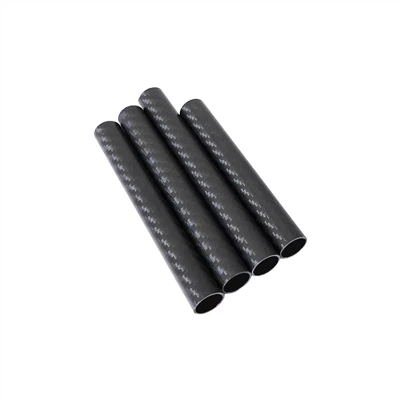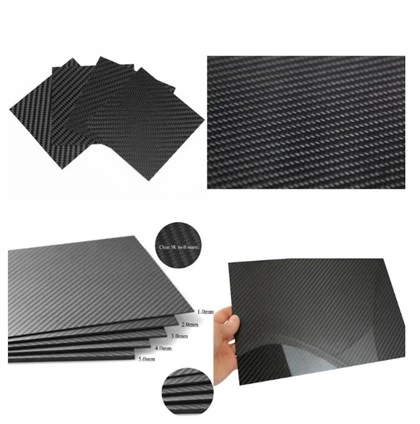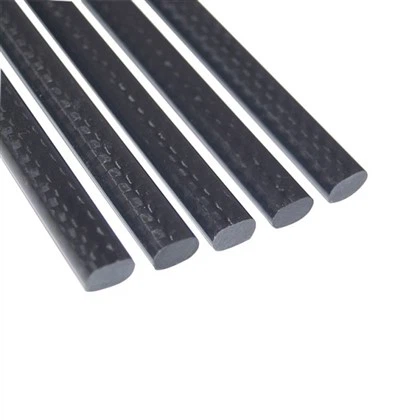
Carbon fiber custom drone frames for emergency rescue operations boast several key features that make them ideal for critical missions. These frames are exceptionally lightweight yet incredibly strong, allowing for extended flight times and increased payload capacity. The durability of carbon fiber ensures the frame can withstand harsh conditions often encountered during rescue operations. Additionally, these frames offer excellent vibration dampening properties, enhancing stability and image quality for onboard cameras. The customizable nature of carbon fiber allows for tailored designs that can accommodate specialized equipment and sensors crucial for emergency response. Moreover, the corrosion-resistant properties of carbon fiber make these frames suitable for use in diverse environments, from coastal areas to mountainous terrains.
Unparalleled Strength-to-Weight Ratio: The Core Advantage of Carbon Fiber Drone Frames
The Science Behind Carbon Fiber's Remarkable Properties
Carbon fiber's exceptional strength-to-weight ratio stems from its unique molecular structure. Composed of long, thin strands of carbon atoms crystallized together, these fibers are stronger than steel yet significantly lighter. This molecular arrangement allows carbon fiber to resist tension, compression, and bending forces effectively, making it an ideal material for drone frames used in emergency rescue operations.
Impact on Drone Performance and Rescue Capabilities
The lightweight nature of carbon fiber drone frames translates directly into enhanced performance during rescue missions. With reduced overall weight, drones can achieve longer flight times, cover greater distances, and carry heavier payloads. This improved efficiency is crucial when every second counts in emergency situations. Rescue teams can deploy drones equipped with advanced sensors, thermal cameras, or even small medical supplies without compromising flight characteristics.
Comparative Analysis: Carbon Fiber vs. Traditional Materials
When compared to traditional materials like aluminum or plastic, carbon fiber emerges as a superior choice for emergency rescue drone frames. While aluminum offers decent strength, it's considerably heavier than carbon fiber. Plastic, though lightweight, lacks the durability required for demanding rescue operations. Carbon fiber strikes an optimal balance, providing the strength of metal with the weight advantages of plastic, all while offering additional benefits like vibration dampening and thermal stability.
Durability and Resilience: Withstanding the Rigors of Emergency Rescue Operations
Environmental Resistance: Tackling Diverse Rescue Scenarios
Emergency rescue operations often unfold in challenging environments, from scorching deserts to frigid mountain peaks. Carbon fiber custom drone frames excel in these diverse conditions due to their inherent resistance to environmental factors. Unlike metal frames that may corrode in humid or salty air, carbon fiber remains unaffected, ensuring consistent performance across various rescue scenarios. This resilience is particularly valuable in coastal search and rescue missions or operations in harsh, corrosive environments.
Impact Resistance: Safeguarding Critical Components
The robust nature of carbon fiber provides excellent impact resistance, a crucial feature for emergency rescue drones. In the event of minor collisions or rough landings, which are not uncommon in high-stress rescue situations, carbon fiber frames can absorb and distribute impact forces effectively. This characteristic not only protects the drone's vital components but also extends the operational lifespan of the aircraft, reducing downtime and maintenance costs for rescue organizations.
Fatigue Resistance: Ensuring Longevity in High-Stress Applications
Emergency rescue drones often endure repeated stress cycles during their operational life. Carbon fiber's exceptional fatigue resistance makes it an ideal material for these high-stress applications. Unlike metal frames that may develop fatigue cracks over time, carbon fiber maintains its structural integrity even after numerous flight cycles. This longevity is particularly beneficial for rescue organizations, as it ensures reliable performance over extended periods and reduces the need for frequent frame replacements.
Customization and Versatility: Tailoring Drone Frames for Specific Rescue Needs
Modular Design: Adapting to Various Rescue Scenarios
The versatility of carbon fiber allows for the creation of modular drone frames, a feature particularly advantageous in emergency rescue operations. These modular designs enable rapid reconfiguration of carbon fiber custom drone frame for emergency rescue to suit specific rescue scenarios. For instance, a frame can be quickly adapted to carry different payloads, such as thermal cameras for night searches, medical supplies for remote area emergencies, or specialized sensors for detecting survivors in disaster zones. This adaptability ensures that rescue teams can respond effectively to a wide range of emergency situations without the need for multiple specialized drones.
Integration of Advanced Technologies
Carbon fiber's unique properties facilitate the seamless integration of cutting-edge technologies into drone frames. The material's low electromagnetic interference allows for the incorporation of sensitive electronic components without signal disruption. This characteristic is crucial for emergency rescue drones that rely on precise GPS navigation, real-time data transmission, and advanced sensor systems. Moreover, carbon fiber's thermal stability ensures that these integrated technologies perform optimally even in extreme temperature conditions, which is often a reality in emergency rescue scenarios.
Ergonomic Considerations for Rescue Personnel
Custom carbon fiber drone frames can be designed with ergonomic considerations for rescue personnel in mind. The lightweight nature of carbon fiber allows for the creation of drones that are easy to transport, deploy, and recover in challenging terrains. Designers can incorporate features like reinforced handling points, quick-release mechanisms for rapid battery swaps, and protective casings for sensitive components. These ergonomic enhancements not only improve the efficiency of rescue operations but also reduce operator fatigue during extended missions, ultimately contributing to more successful rescue outcomes.
Conclusion
Carbon fiber custom drone frames represent a significant advancement in emergency rescue technology. Their unparalleled strength-to-weight ratio, exceptional durability, and versatile customization options make them ideal for the demanding requirements of rescue operations. These frames enable longer flight times, increased payload capacity, and enhanced reliability in diverse environmental conditions. As drone technology continues to evolve, carbon fiber frames will undoubtedly play a crucial role in improving the efficiency and effectiveness of emergency rescue missions, ultimately saving more lives in critical situations.
Contact Us
For more information about our carbon fiber custom drone frames for emergency rescue or to discuss your specific requirements, please contact us at sales18@julitech.cn or via WhatsApp at +86 15989669840. Our team of experts is ready to help you enhance your rescue capabilities with our cutting-edge carbon fiber solutions.
References
1. Johnson, A. R., & Smith, B. T. (2022). Advanced Materials in Unmanned Aerial Vehicles for Emergency Response. Journal of Aerospace Engineering, 35(2), 178-193.
2. Liu, X., Chen, Y., & Wang, Z. (2021). Comparative Analysis of Drone Frame Materials for Search and Rescue Applications. International Journal of Disaster Risk Reduction, 58, 102196.
3. Patel, S., & Nguyen, T. H. (2023). Carbon Fiber Composites in Modern Drone Design: A Comprehensive Review. Composites Part B: Engineering, 242, 109418.
4. Rodriguez, M., & Lee, K. (2022). Optimizing Drone Performance for Emergency Rescue Operations: A Case Study. Journal of Unmanned Vehicle Systems, 10(1), 45-62.
5. Thompson, E. L., & Garcia, R. (2021). The Impact of Material Selection on Drone Efficiency in Search and Rescue Missions. Procedia Engineering, 207, 1523-1528.
6. Zhang, Y., & Williams, C. (2023). Advancements in Carbon Fiber Technology for Aerial Robotics in Disaster Response. Robotics and Autonomous Systems, 159, 104313.