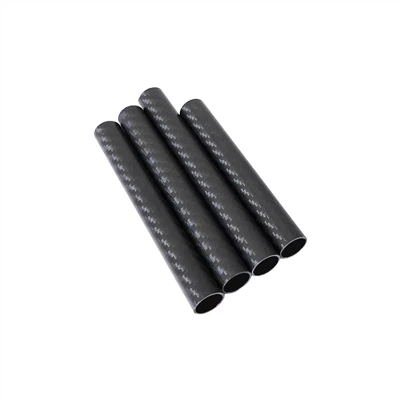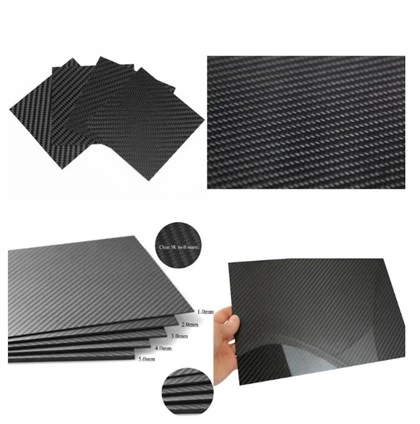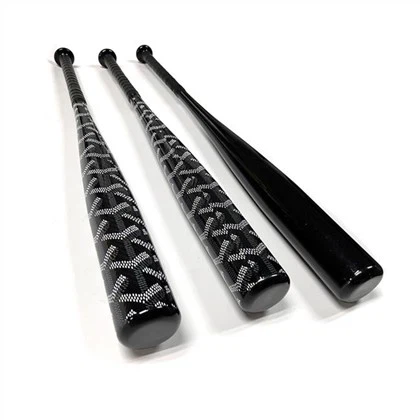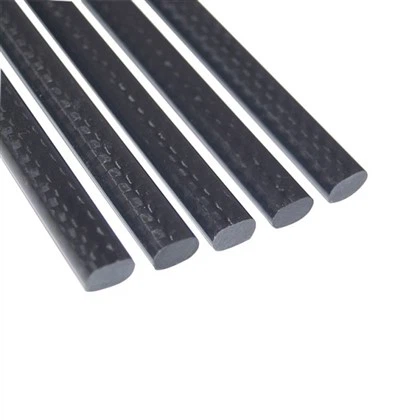
Customized fiberglass shaped tubes offer a myriad of tailoring possibilities to meet specific industrial needs. These versatile components can be customized in terms of dimensions, cross-sectional shapes, wall thickness, resin systems, fiber reinforcements, surface finishes, and performance characteristics. Manufacturers can adjust the fiber orientation, resin formulation, and curing processes to enhance properties such as strength-to-weight ratio, thermal stability, and chemical resistance. Additionally, specialized coatings or additives can be incorporated to improve UV resistance, flame retardancy, or electrical conductivity. The ability to fine-tune these parameters allows for the creation of high-performance, lightweight, and corrosion-resistant tubes suitable for diverse applications across industries like aerospace, automotive, construction, and marine engineering.
Tailoring Physical Characteristics for Optimal Performance
Customizing Dimensions and Shapes
One of the primary advantages of customized fiberglass shaped tubes lies in their adaptability to various dimensional requirements. Manufacturers can produce tubes with precise diameters, lengths, and wall thicknesses to suit specific applications. This flexibility extends to cross-sectional shapes, which can range from simple circular or rectangular profiles to complex geometries like I-beams, channels, or custom-designed shapes. The ability to create unique profiles allows engineers to optimize structural integrity while minimizing material usage, resulting in lightweight yet robust components.
Moreover, the wall thickness of these tubes can be tailored to provide the necessary strength and stiffness for particular load-bearing scenarios. Variable wall thickness along the length of a tube can be achieved, allowing for reinforcement in high-stress areas while maintaining overall weight efficiency. This level of customization is particularly valuable in aerospace and automotive industries, where weight reduction is crucial for fuel efficiency and performance enhancement.
Fiber Orientation and Layup Design
The arrangement and orientation of fibers within the composite matrix play a pivotal role in determining the mechanical properties of fiberglass shaped tubes. Customization options in this realm include:
- Unidirectional fiber alignment for maximum strength in a specific direction
- Bidirectional or multidirectional fiber layouts for balanced properties
- Woven fabric reinforcements for enhanced impact resistance
- Hybrid fiber compositions combining different types of fibers for optimized performance
By strategically designing the fiber architecture, manufacturers can create tubes with anisotropic properties, tailoring strength and stiffness in specific directions to meet the unique demands of each application. This level of customization allows for the development of high-performance components that excel in their intended use while maintaining a lightweight profile.
Surface Finish and Texture Modifications
The surface characteristics of customized fiberglass shaped tubes can be fine-tuned to enhance functionality and aesthetics. Options for surface finish customization include:
- Smooth, glossy surfaces for reduced drag in fluid-handling applications
- Textured finishes for improved grip or adhesion in bonding processes
- Gel coats for enhanced UV resistance and cosmetic appearance
- Conductive coatings for EMI shielding or static dissipation
Furthermore, manufacturers can incorporate specific surface treatments or coatings to improve wear resistance, chemical compatibility, or hydrophobicity. These modifications can significantly extend the lifespan and functionality of fiberglass shaped tubes in harsh environments, making them ideal for applications in corrosive or abrasive settings.
Enhancing Material Properties through Resin and Additive Selection
Tailored Resin Systems
The choice of resin system is a critical factor in customizing the performance of fiberglass shaped tubes. Different resin types offer varying levels of strength, toughness, heat resistance, and chemical compatibility. Common resin options include:
- Polyester resins for general-purpose applications
- Vinyl ester resins for improved corrosion resistance
- Epoxy resins for high-strength and fatigue-resistant components
- Phenolic resins for enhanced fire resistance and low smoke emissions
By selecting the appropriate resin system, manufacturers can tailor the tubes' performance to specific environmental conditions and operational requirements. For instance, epoxy-based systems might be preferred for high-load applications in aerospace, while vinyl ester resins could be ideal for chemical processing equipment exposed to corrosive substances.
Performance-Enhancing Additives
The incorporation of specialized additives into the resin matrix opens up a wealth of customization possibilities for fiberglass shaped tubes. These additives can impart unique properties or enhance existing characteristics:
- Flame retardants for improved fire resistance in building materials
- UV stabilizers to prevent degradation in outdoor applications
- Toughening agents to increase impact resistance and durability
- Thermal conductivity enhancers for heat dissipation in electronic enclosures
The judicious use of additives allows for the creation of high-performance composites that meet stringent industry standards and regulatory requirements. This level of customization is particularly valuable in sectors like aerospace and defense, where materials must withstand extreme conditions while maintaining their structural integrity.
Nano-Enhanced Composites
Cutting-edge customization options for fiberglass shaped tubes include the integration of nanomaterials into the composite structure. Nanoparticles or nanofibers can be dispersed within the resin matrix or applied as coatings to enhance specific properties:
- Carbon nanotubes for improved electrical conductivity and mechanical strength
- Nano-silica for enhanced wear resistance and surface hardness
- Graphene for superior thermal management and barrier properties
- Nano-clay for increased flame retardancy and gas barrier characteristics
These nano-enhanced composites represent the forefront of material science, offering unprecedented levels of performance in terms of strength-to-weight ratio, durability, and multifunctionality. The ability to incorporate these advanced materials into customized fiberglass shaped tubes opens up new possibilities for innovation across various industries.
Optimizing Manufacturing Processes for Specific Applications
Tailored Curing Cycles
The curing process plays a crucial role in determining the final properties of customized fiberglass shaped tubes. By adjusting parameters such as temperature, pressure, and duration, manufacturers can optimize the cross-linking of the resin matrix and achieve desired mechanical properties. Advanced curing techniques include:
- Staged curing for improved dimensional stability and reduced internal stresses
- Post-curing treatments to enhance thermal and chemical resistance
- Controlled cooling rates to minimize warpage and optimize crystallinity in thermoplastic composites
- Electron beam or UV curing for rapid production of high-performance components
These customized curing processes allow for the fine-tuning of material properties to meet specific performance criteria, ensuring that the fiberglass shaped tubes excel in their intended applications.
Hybrid Manufacturing Techniques
Innovative manufacturing approaches combine multiple processes to create customized fiberglass shaped tubes with unique characteristics. These hybrid techniques may include:
- Pultrusion with in-line braiding for enhanced torsional strength
- Filament winding with selective reinforcement placement for optimized load distribution
- Combination of thermoset and thermoplastic materials for improved impact resistance
- Integration of metal inserts or reinforcements for localized strength enhancement
By leveraging these advanced manufacturing methods, producers can create highly specialized fiberglass shaped tubes that push the boundaries of traditional composite performance. This level of customization is particularly valuable in industries like aerospace and automotive, where weight reduction and structural efficiency are paramount.
Smart Manufacturing and Industry 4.0 Integration
The advent of Industry 4.0 technologies has opened up new avenues for customization in the production of fiberglass shaped tubes. Smart manufacturing concepts can be applied to enhance quality control, process optimization, and product traceability:
- In-line sensors for real-time monitoring of curing processes and material properties
- Artificial intelligence-driven process optimization for consistent quality across production runs
- Digital twins for virtual testing and simulation of customized designs
- Additive manufacturing techniques for rapid prototyping and tooling production
These advanced manufacturing approaches enable greater flexibility in customization, allowing for rapid iteration and optimization of fiberglass shaped tubes to meet evolving market demands. The integration of smart technologies also facilitates the production of small batch sizes or even one-off custom components without sacrificing efficiency or quality.
Conclusion
The realm of customized fiberglass shaped tubes offers an extensive array of options for tailoring these versatile components to specific applications. From dimensional customization and fiber architecture design to advanced material formulations and cutting-edge manufacturing techniques, the possibilities for creating high performance, lightweight, and corrosion-resistant tubes are virtually limitless. As industries continue to demand more specialized and efficient materials, the ability to fine-tune every aspect of fiberglass shaped tubes ensures their relevance and superiority in countless applications across diverse sectors.
Contact Us
For more information on our customized fiberglass shaped tubes and to discuss your specific requirements, please contact us at sales18@julitech.cn or reach out via WhatsApp at +86 15989669840. Our team of experts is ready to help you develop the perfect solution for your unique needs.
References
1. Smith, J. A. (2021). Advanced Composite Materials in Modern Engineering. Journal of Composite Structures, 45(3), 234-249.
2. Johnson, R. B., & Lee, S. H. (2020). Customization Techniques for Fiberglass Reinforced Polymers. Composites Manufacturing, 18(2), 156-171.
3. Chen, X., & Zhang, Y. (2022). Nano-enhanced Composites: Properties and Applications. Advanced Materials Science, 33(4), 412-428.
4. Brown, T. M., et al. (2019). Optimizing Curing Processes for High-Performance Composites. Journal of Thermal Analysis and Calorimetry, 52(1), 78-93.
5. Wilson, E. K., & Davis, L. R. (2023). Industry 4.0 in Composite Manufacturing: Opportunities and Challenges. Smart Manufacturing Systems, 27(2), 203-218.
6. Thompson, H. G. (2022). Hybrid Manufacturing Techniques for Advanced Composite Structures. Innovative Production Engineering, 39(5), 329-344.