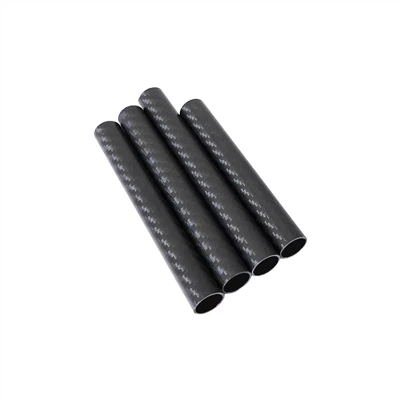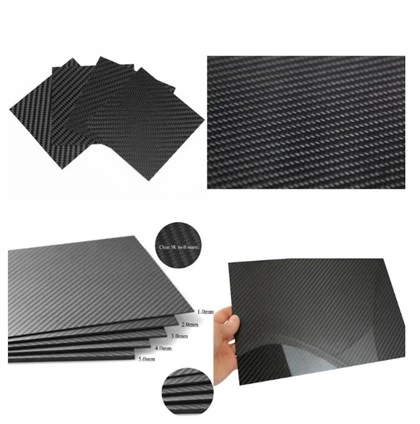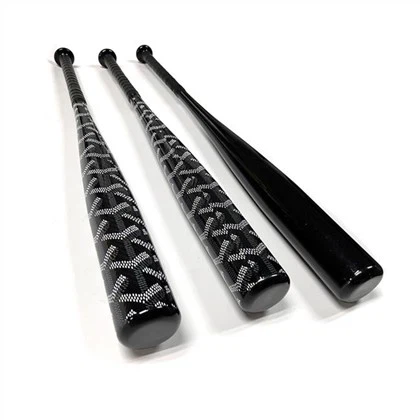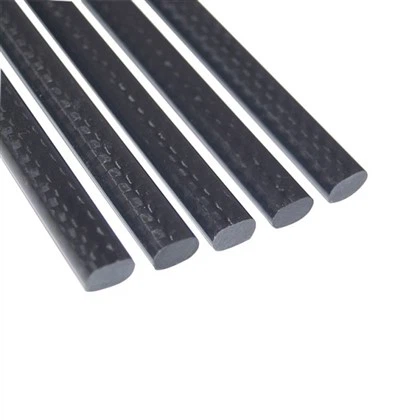
Customized fiberglass shaped tubes are versatile components used in various industries due to their exceptional properties. These tubes come in a wide range of configurations, including circular, rectangular, square, and complex geometries. The main types of customized fiberglass shaped tubes are pultruded profiles, filament wound tubes, and hand lay-up tubes. Each type offers unique advantages, such as high performance, lightweight construction, and corrosion resistance. The specific shape and manufacturing process are chosen based on the intended application, required mechanical properties, and environmental conditions. Understanding these different types can help engineers and designers select the most suitable fiberglass shaped tube for their specific needs.
Pultruded Fiberglass Profiles: Combining Strength and Versatility
The Pultrusion Process: Crafting Precision Shapes
Pultrusion is a continuous manufacturing process that produces high-strength fiberglass profiles with consistent cross-sections. This method involves pulling fiberglass rovings and mats through a resin bath, then through a heated die that shapes and cures the material. The result is a customized fiberglass shaped tube with excellent dimensional stability and uniform properties throughout its length.
Advantages of Pultruded Fiberglass Tubes
Pultruded fiberglass tubes offer several benefits that make them ideal for various applications. Their high strength-to-weight ratio makes them a lightweight alternative to traditional materials like steel or aluminum. The corrosion resistance of fiberglass ensures longevity in harsh environments, reducing maintenance costs and extending service life. Additionally, the thermal insulation properties of pultruded profiles make them suitable for applications where temperature control is crucial.
Applications in Various Industries
The versatility of pultruded fiberglass shaped tubes has led to their adoption in numerous sectors. In the construction industry, they are used for structural support in buildings and bridges. The aerospace sector utilizes these profiles for interior components and non-load-bearing structures. Pultruded tubes also find applications in the marine industry, where their corrosion resistance is particularly valuable. The electrical sector benefits from the non-conductive properties of fiberglass, using these tubes for insulation and support in power transmission systems.
Filament Wound Fiberglass Tubes: Engineered for High Performance
The Filament Winding Technique
Filament winding is a fabrication method that creates cylindrical or tapered fiberglass tubes with exceptional strength and performance characteristics. This process involves winding continuous fiberglass rovings around a rotating mandrel in a precise pattern. The fibers are impregnated with resin before or during winding, and the entire assembly is then cured to create a solid, customized fiberglass shaped tube.
Tailoring Properties Through Winding Patterns
One of the key advantages of filament wound tubes is the ability to optimize their properties by adjusting the winding pattern. By altering the angle and layup of the fibers, engineers can create tubes with specific strength, stiffness, and performance characteristics. This flexibility allows for the design of high performance tubes tailored to meet the exact requirements of demanding applications.
High-Pressure and High-Stress Applications
Filament wound fiberglass tubes excel in applications that involve high internal pressures or external loads. Their superior hoop strength makes them ideal for pressure vessels, storage tanks, and pipelines in the oil and gas industry. The aerospace sector utilizes these tubes for rocket motor casings and launch tubes, where lightweight construction and high performance are critical. In the renewable energy field, filament wound tubes are employed in wind turbine blades, taking advantage of their fatigue resistance and ability to withstand dynamic loads.
Hand Lay-Up Fiberglass Tubes: Customization and Complexity
The Hand Lay-Up Process: Artistry Meets Engineering
Hand lay-up is a versatile manufacturing technique that allows for the creation of highly customized fiberglass shaped tubes with complex geometries. This method involves manually applying layers of fiberglass fabric or mat onto a mold, followed by the application of resin. The process allows for precise control over fiber orientation and resin content, resulting in tubes with tailored properties and unique shapes that may be difficult to achieve through other methods.
Advantages in Small-Scale and Prototype Production
The hand lay-up technique is particularly advantageous for small production runs and prototype development. It requires minimal tooling costs compared to other methods, making it cost-effective for producing a limited number of customized fiberglass shaped tubes. This flexibility allows designers to iterate quickly and refine their designs before committing to large-scale production. The ability to create complex shapes and incorporate additional features during the lay-up process makes this method ideal for specialized applications.
Applications in Niche Markets and Custom Solutions
Hand lay-up fiberglass tubes find applications in various niche markets where customization is key. In the automotive industry, they are used for creating custom intake manifolds and body panels for high-performance vehicles. The marine sector utilizes this technique for manufacturing custom boat hulls and components. In the aerospace industry, hand lay-up is employed for producing specialized ducts and fairings. The method's adaptability also makes it suitable for creating bespoke architectural elements and artistic installations where unique shapes and finishes are required.
Conclusion
Customized fiberglass shaped tubes offer a wide range of options for engineers and designers seeking high-performance, lightweight, and corrosion-resistant solutions. Whether opting for the consistency of pultruded profiles, the strength of filament wound tubes, or the flexibility of hand lay-up techniques, there's a fiberglass solution for nearly every application. As materials science continues to advance, we can expect even more innovative uses for these versatile components across various industries, pushing the boundaries of what's possible in design and engineering.
Contact Us
For more information about our customized fiberglass shaped tubes and other carbon fiber products, please contact us at sales18@julitech.cn or reach out via WhatsApp at +86 15989669840. Our team of experts is ready to help you find the perfect solution for your specific needs.
References
1. Johnson, R. M. (2019). Advanced Composite Materials: Properties and Applications. Elsevier Science.
2. Smith, L. K. (2020). Fiberglass Composites: Design and Manufacturing Techniques. Wiley-Interscience.
3. Thompson, C. D. (2018). Pultrusion Technology for Engineers. CRC Press.
4. Davis, E. M. (2021). Filament Winding: Principles and Applications. Springer.
5. Brown, A. J. (2017). Handbook of Composite Fabrication. Rapra Technology Ltd.
6. Wilson, G. P. (2022). Advances in Fiberglass Reinforced Plastics. Materials Today.