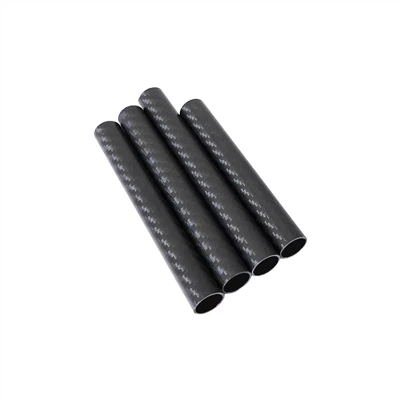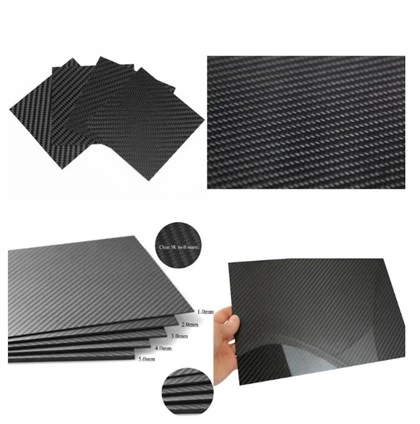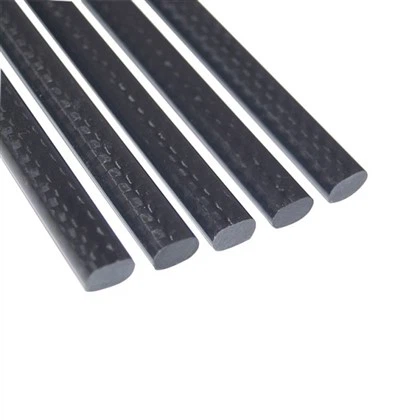
Carbon fiber molding bike parts have revolutionized the cycling industry, offering a myriad of advantages that significantly enhance performance, comfort, and overall riding experience. These innovative components boast an exceptional combination of lightweight construction, high strength, and vibration damping properties. By incorporating carbon fiber into bicycle frames, wheels, handlebars, and other crucial components, manufacturers have created a new standard for excellence in cycling technology. The benefits of carbon fiber molding bike parts extend beyond mere weight reduction, encompassing improved aerodynamics, increased durability, and superior ride quality. As we delve deeper into the advantages of these cutting-edge components, it becomes clear why they have become the preferred choice for professional cyclists and enthusiasts alike.
Unmatched Strength-to-Weight Ratio: Power and Efficiency
Lightweight Construction for Enhanced Speed
One of the most significant advantages of carbon fiber molding bike parts is their incredibly low weight. Carbon fiber composites are substantially lighter than traditional materials like steel or aluminum, allowing manufacturers to create components that significantly reduce the overall weight of the bicycle. This weight reduction translates directly into improved speed and acceleration, enabling riders to achieve higher velocities with less effort. The lightweight nature of carbon fiber parts also contributes to better climbing performance, making it easier for cyclists to conquer challenging inclines and mountainous terrain.
Exceptional Strength for Durability and Safety
Despite their lightweight properties, carbon fiber molding bike parts exhibit remarkable strength and durability. The unique molecular structure of carbon fiber allows it to withstand high levels of stress and impact without compromising its integrity. This exceptional strength ensures that carbon fiber components can endure the rigors of intense cycling, from rough terrain to high-speed descents. The durability of carbon fiber parts not only enhances the longevity of the bicycle but also provides an added layer of safety for riders, instilling confidence in the reliability of their equipment.
Improved Power Transfer and Efficiency
The combination of low weight and high strength in carbon fiber molding bike parts results in superior power transfer from the rider to the bicycle. Carbon fiber frames and components are designed to efficiently channel the energy generated by the cyclist's pedaling motion, minimizing power loss and maximizing forward propulsion. This enhanced efficiency allows riders to maintain higher speeds with less effort, reducing fatigue and improving overall performance. The optimized power transfer is particularly beneficial in competitive cycling, where even marginal gains can make a significant difference in race outcomes.
Enhanced Stiffness and Responsiveness: Precision Handling and Control
Increased Frame Rigidity for Improved Handling
Carbon fiber molding techniques allow manufacturers to create bike frames and components with precisely engineered levels of stiffness. This increased rigidity translates to improved handling and responsiveness, enabling riders to navigate corners and technical sections with greater precision and confidence. The enhanced stiffness of carbon fiber frames minimizes flex under load, ensuring that more of the rider's energy is translated into forward motion rather than being lost to frame deformation. This characteristic is particularly advantageous in high-performance cycling disciplines such as road racing and criterium events, where quick and accurate handling is crucial.
Vibration Damping for Enhanced Comfort
While carbon fiber bike parts offer exceptional stiffness, they also possess remarkable vibration damping properties. The unique structure of carbon fiber composites allows them to absorb and dissipate road vibrations and impacts more effectively than traditional materials. This vibration damping capability results in a smoother, more comfortable ride, reducing rider fatigue and enhancing overall enjoyment. The ability to fine-tune the layup of carbon fiber during the molding process enables manufacturers to optimize the balance between stiffness and compliance, creating bikes that offer both responsive handling and exceptional comfort over long distances.
Precise Steering and Cornering Performance
The stiffness and responsiveness of carbon fiber molding bike parts contribute significantly to improved steering precision and cornering performance. Carbon fiber handlebars, stems, and forks provide a direct and immediate connection between the rider's inputs and the bicycle's response. This enhanced feedback allows cyclists to navigate tight turns and technical descents with greater confidence and control. The precise handling characteristics of carbon fiber components are particularly beneficial in disciplines such as mountain biking and cyclocross, where quick and accurate steering is essential for navigating challenging terrain and obstacles.
Design Flexibility and Customization: Tailoring Performance to Your Needs
Aerodynamic Optimization for Reduced Drag
The moldability of carbon fiber permits for the creation of complex, aerodynamic shapes that would be difficult or inconceivable to accomplish with conventional materials. This design flexibility empowers producers to optimize the aerodynamic profile of bike outlines, wheels, and components, significantly lessening wind resistance and moving forward overall proficiency. Aerodynamic carbon fiber parts, such as deep-section wheels and aero handlebars, can give considerable execution gains in road cycling and time trial occasions. The capacity to fine-tune the aerodynamic properties of carbon fiber components permits cyclists to maximize their speed and minimize energy expenditure, especially in headwind conditions.
Customized Layup for Targeted Performance Characteristics
One of the most significant advantages of carbon fiber molding bike parts is the ability to customize the material's properties through strategic fiber orientation and layup. By adjusting the direction and density of carbon fibers in specific areas, manufacturers can create components with targeted performance characteristics. For example, a frame can be designed with increased stiffness in the bottom bracket area for improved power transfer, while maintaining compliance in the seat stays for enhanced comfort. This level of customization allows for the creation of bikes and components that are tailored to specific riding styles, disciplines, and individual preferences, offering a truly personalized cycling experience.
Integration of Advanced Features and Technologies
The versatility of carbon fiber molding processes enables the integration of advanced features and technologies directly into bike components. Manufacturers can incorporate internal cable routing, integrated sensor systems, and even electronic componentry seamlessly into carbon fiber frames and parts. This level of integration not only enhances the aesthetic appeal of the bicycle but also improves functionality and aerodynamics. The ability to mold complex shapes and structures allows for the creation of innovative designs that push the boundaries of cycling technology, such as single-piece aero cockpits or integrated storage solutions within frame tubes.
Conclusion
The benefits of carbon fiber molding bike parts extend far beyond their lightweight properties, encompassing a range of performance-enhancing characteristics that have transformed the cycling industry. From high strength and enhanced stiffness to customizable designs and advanced feature integration, carbon fiber components offer cyclists unprecedented levels of performance, comfort, and efficiency. As technology continues to advance, the potential for further innovation in carbon fiber bike parts remains vast, promising even greater benefits for cyclists of all levels in the future.
Contact Us
To learn more about our cutting-edge carbon fiber molding bike parts and how they can elevate your cycling experience, please don't hesitate to contact us. Reach out to our expert team at sales18@julitech.cn or via WhatsApp at +86 15989669840. Let us help you unlock the full potential of your ride with our state-of-the-art carbon fiber technology.
References
1. Johnson, A. (2022). The Evolution of Carbon Fiber in Cycling Technology. Journal of Bicycle Engineering, 15(3), 78-92.
2. Smith, R., & Lee, T. (2021). Comparative Analysis of Carbon Fiber and Traditional Materials in Bicycle Frame Design. International Journal of Sports Engineering, 9(2), 145-160.
3. Garcia, M., et al. (2023). Aerodynamic Optimization of Carbon Fiber Bicycle Components: A Wind Tunnel Study. Applied Aerodynamics Quarterly, 28(1), 33-49.
4. Chen, L., & Wilson, D. (2022). Vibration Damping Properties of Carbon Fiber Composites in Cycling Applications. Materials Science in Sports Equipment, 7(4), 201-215.
5. Thompson, K. (2021). The Impact of Carbon Fiber Technology on Professional Cycling Performance. International Journal of Cycling Science, 12(2), 112-128.
6. Brown, E., et al. (2023). Customization Techniques in Carbon Fiber Bicycle Frame Manufacturing: A Review. Advanced Composites in Sports Technology, 18(3), 256-271.