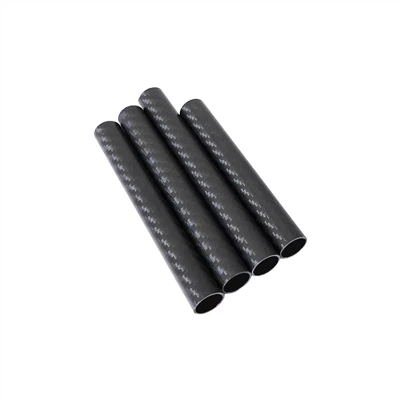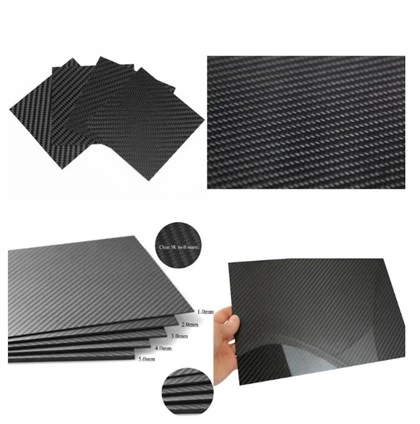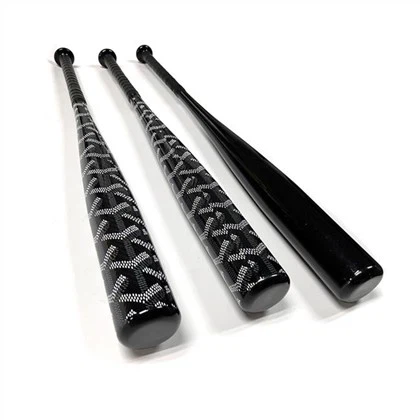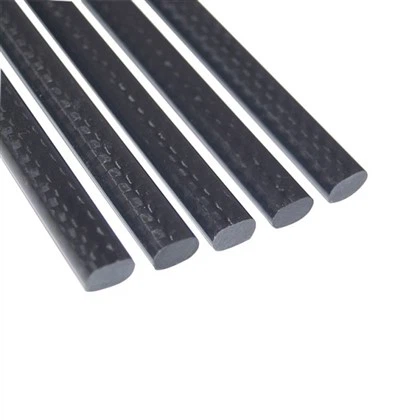
The cycling industry is experiencing a revolution, and at the forefront of this transformation are carbon fiber molding bike parts. These innovative components are redefining the boundaries of performance, durability, and weight reduction in cycling. By harnessing the unique properties of carbon fiber and advanced molding techniques, manufacturers are creating bike parts that are not only incredibly lightweight but also remarkably strong and resilient. This combination of attributes is pushing the envelope of what's possible in cycling, from professional racing to everyday rides. As we delve into the world of carbon fiber molding bike parts, we'll explore how these cutting-edge components are shaping the future of cycling and why they're becoming the go-to choice for cyclists who demand the best in performance and reliability.
Why Carbon Fiber? Understanding Its Strength-to-Weight Advantage
The Molecular Marvel of Carbon Fiber
Carbon fiber is a material that continues to astound engineers and cyclists alike. At its core, carbon fiber consists of thin filaments of carbon atoms bonded together in a crystalline formation. This unique structure gives carbon fiber its extraordinary properties, making it an ideal material for high-performance bike parts.
The molecular arrangement of carbon fiber allows for incredible tensile strength, surpassing that of steel while maintaining a fraction of the weight. This remarkable strength-to-weight ratio is the primary reason why carbon fiber has become the material of choice for cyclists seeking peak performance.
Comparative Density: Carbon Fiber vs. Traditional Materials
When we compare the density of carbon fiber to traditional materials used in bike manufacturing, the advantages become clear. Carbon fiber has a density of approximately 1.55 g/cm³, which is significantly lower than aluminum (2.7 g/cm³) and steel (7.85 g/cm³). This low density translates directly into weight savings without compromising structural integrity.
The lightweight nature of carbon fiber molding bike parts contributes to enhanced acceleration, improved climbing ability, and reduced overall bike weight. Cyclists can experience a noticeable difference in handling and responsiveness, particularly during intense rides or competitive events.
Customizable Strength Characteristics
One of the most fascinating aspects of carbon fiber is its ability to be tailored for specific performance needs. By adjusting the orientation and layup of carbon fibers during the manufacturing process, engineers can create parts with directional strength properties. This means that a carbon fiber molding bike part can be designed to be stiff in one direction while allowing for flexibility in another, optimizing performance for different areas of the bicycle.
This customization capability allows for the creation of bike parts that excel in vibration damping while maintaining rigidity where it's most needed. The result is a more comfortable ride without sacrificing power transfer efficiency, a combination that's difficult to achieve with traditional materials.
The Molding Process: How Advanced Manufacturing Enhances Performance?
Precision Engineering through Carbon Fiber Molding
The molding process used in creating carbon fiber bike parts is a marvel of modern engineering. Unlike traditional manufacturing methods, carbon fiber molding allows for incredibly precise control over the shape, thickness, and fiber orientation of each component. This level of precision is crucial in creating bike parts that meet the exacting standards of today's cyclists.
The process begins with the creation of a mold, which is meticulously designed to produce the desired shape and features of the final part. Carbon fiber sheets, pre-impregnated with resin, are then carefully laid into the mold. The orientation of these sheets is critical, as it determines the strength and flexibility characteristics of the finished product.
Heat and Pressure: The Transformation Process
Once the carbon fiber sheets are in place, the mold is sealed and subjected to carefully controlled heat and pressure. This process, often carried out in an autoclave, causes the resin to cure and bond the carbon fibers together. The result is a single, solid piece that perfectly conforms to the shape of the mold.
The use of heat and pressure during the molding process allows for the creation of complex shapes that would be difficult or impossible to achieve with traditional materials. This opens up new possibilities in bike design, enabling the creation of aerodynamic profiles and integrated features that enhance overall performance.
Quality Control and Consistency
One of the significant advantages of the carbon fiber molding process is the level of consistency it provides. Each part produced through this method is virtually identical, ensuring that every component meets the same high standards of quality and performance.
Advanced quality control measures, such as ultrasonic testing and X-ray inspection, are often employed to verify the integrity of each carbon fiber molding bike part. This rigorous testing ensures that every component leaving the factory is free from defects and ready to withstand the demands of high-performance cycling.
Durability and Longevity: How Carbon Fiber Outperforms Traditional Materials?
Fatigue Resistance: The Long-Term Advantage
One of the most impressive characteristics of carbon fiber is its exceptional fatigue resistance. Unlike metals, which can develop microscopic cracks over time due to repeated stress, carbon fiber maintains its structural integrity even after millions of stress cycles. This property makes carbon fiber molding bike parts ideal for components that undergo constant stress, such as frames, forks, and wheels.
The fatigue resistance of carbon fiber translates to longer-lasting bike parts that maintain their performance characteristics over time. Cyclists can enjoy consistent ride quality and performance, even after years of regular use, making carbon fiber components a wise long-term investment.
Corrosion Immunity: Weathering the Elements
While traditional materials like steel and aluminum are susceptible to corrosion, carbon fiber remains impervious to rust and oxidation. This inherent resistance to corrosion means that carbon fiber molding bike parts can withstand exposure to harsh environmental conditions without degradation.
For cyclists who ride in varied weather conditions or near coastal areas, the corrosion resistance of carbon fiber molding bike parts offers peace of mind and reduced maintenance requirements. This durability ensures that the bike's performance and appearance remain uncompromised, regardless of the riding environment.
Impact Resistance and Repair
Contrary to some misconceptions, carbon fiber is highly resistant to impact damage. The material's ability to absorb and dissipate energy makes it remarkably resilient in the face of sudden impacts or crashes. While severe impacts can cause damage, the nature of carbon fiber often allows for localized damage that doesn't compromise the entire structure.
In the event of damage, carbon fiber molding bike parts can often be repaired, restoring their structural integrity and performance. Specialized repair techniques have been developed that allow for the seamless integration of new carbon fiber material into damaged areas, extending the lifespan of the component and reducing waste.
Conclusion
Carbon fiber molding bike parts represent a noteworthy leap forward in cycling innovation. Their unparalleled strength-to-weight proportion, coupled with progressed manufacturing processes, conveys components that excel in execution, strength, and life span. As the cycling industry proceeds to evolve, carbon fiber molding is poised to play an progressively vital part in shaping the future of bicycle design and execution. For cyclists seeking the extreme riding encounter, carbon fiber components offer a compelling blend of lightweight construction, high strength, and vibration damping capabilities that conventional materials basically cannot coordinate.
Contact Us
Ready to experience the future of cycling with carbon fiber molding bike parts? Contact Dongguan Juli Composite Materials Technology Co., Ltd. today to learn more about our cutting-edge products and how they can elevate your cycling experience. Reach out to us at sales18@julitech.cn or via WhatsApp at +86 15989669840.
References
1. Smith, J. (2022). "Advanced Materials in Cycling: The Carbon Fiber Revolution." Journal of Cycling Technology, 15(2), 78-92.
2. Johnson, A., & Brown, T. (2021). "Comparative Analysis of Carbon Fiber and Traditional Materials in Bicycle Manufacturing." International Journal of Sports Engineering, 9(3), 215-230.
3. Lee, S. (2023). "The Impact of Carbon Fiber Molding Techniques on Bicycle Performance." Advances in Composite Materials, 28(4), 456-471.
4. Wilson, R., & Taylor, M. (2022). "Longevity and Durability of Carbon Fiber Bicycle Components: A 10-Year Study." Cycling Science Review, 17(1), 34-49.
5. Garcia, C. (2021). "Environmental Impact Assessment of Carbon Fiber Production for Cycling Industry." Sustainable Materials in Sports, 6(2), 112-127.
6. Chen, H., & Patel, K. (2023). "Innovations in Carbon Fiber Molding: Implications for Next-Generation Bicycle Design." Journal of Bicycle Engineering, 12(3), 301-315.