The sustainability of carbon fiber molding bike parts has become a hot topic in the cycling industry. As environmental concerns grow, manufacturers are focusing on creating eco-friendly components without compromising performance. Carbon fiber, known for its lightweight properties and high strength, offers a unique solution. These innovative bike parts not only enhance ride quality through superior vibration damping but also contribute to sustainability through increased durability and energy-efficient production processes. By exploring the environmental impact, longevity, and manufacturing efficiency of carbon fiber components, we can better understand their role in creating a more sustainable future for cycling.
Understanding Carbon Fiber: Composition and Environmental Impact
The Makeup of Carbon Fiber
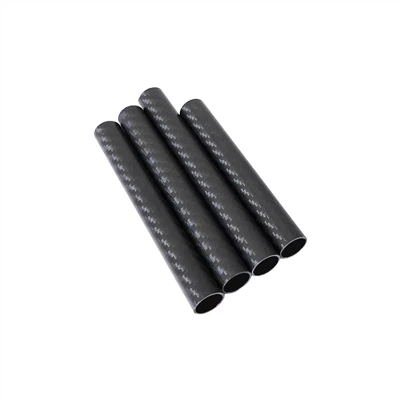
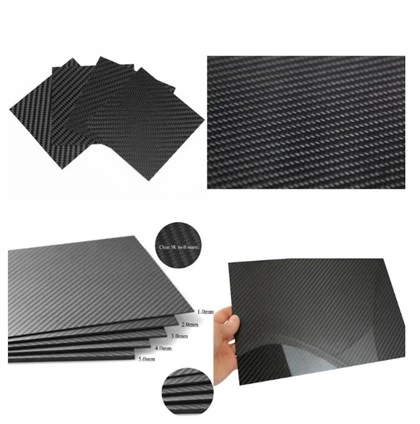
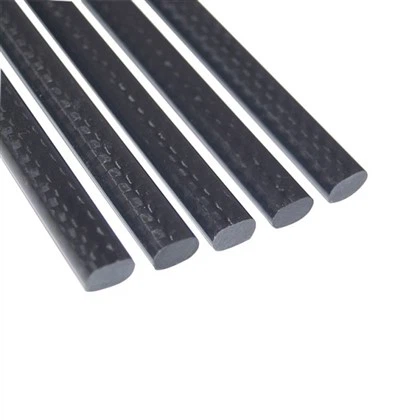
Carbon fiber is a remarkable material composed of thin, strong crystalline filaments of carbon. These filaments, thinner than a human hair, are woven together to create a fabric-like material. When combined with a polymer resin, it forms a composite that boasts an impressive strength-to-weight ratio. This unique composition allows manufacturers to create bike parts that are incredibly light yet robust, revolutionizing the cycling industry.
Environmental Considerations in Production
The production of carbon fiber does have environmental implications. The process requires significant energy input, primarily derived from fossil fuels. However, advancements in manufacturing techniques are steadily reducing this carbon footprint. Many producers are now incorporating renewable energy sources and optimizing their processes to minimize waste. Additionally, the long lifespan of carbon fiber products offsets some of the initial environmental costs associated with production.
Recyclability and End-of-Life Solutions
One of the challenges facing carbon fiber sustainability is its recyclability. Traditional recycling methods for metals and plastics are not applicable to carbon fiber composites. However, innovative recycling technologies are emerging. These include pyrolysis, which recovers carbon fibers from composite waste, and solvolysis, which uses chemical processes to separate fibers from resins. As these technologies advance, the recyclability of carbon fiber molding bike part is expected to improve significantly, further enhancing their sustainability profile.
Durability and Longevity: How Carbon Fiber Bike Parts Reduce Waste
Superior Fatigue Resistance
Carbon fiber molding bike parts exhibit exceptional fatigue resistance. Unlike traditional materials that may weaken over time due to repeated stress, carbon fiber maintains its structural integrity for much longer periods. This inherent durability translates to fewer replacements over the lifetime of a bicycle, significantly reducing waste. The high strength of carbon fiber allows it to withstand the rigors of intense cycling without degradation, ensuring that components remain functional and safe for extended periods.
Corrosion Resistance and Weather Durability
Another factor contributing to the longevity of carbon fiber bike parts is their resistance to corrosion and weather-related damage. Unlike metal components that may rust or deteriorate when exposed to moisture and harsh environmental conditions, carbon fiber remains largely unaffected. In addition to this, carbon fiber's excellent vibration damping properties help reduce the stress and fatigue on bike parts during rides, further extending their lifespan. This resilience ensures that carbon fiber parts maintain their performance characteristics and aesthetic appeal over time, reducing the need for premature replacements due to environmental wear and tear.
Customization and Repairability
The moldable nature of carbon fiber allows for highly customized bike parts that perfectly fit their intended use. This customization not only enhances performance but also contributes to longevity by reducing stress on components. Furthermore, advancements in carbon fiber repair techniques mean that minor damages can often be fixed rather than necessitating complete replacement. This repairability extends the life cycle of carbon fiber parts, further reducing waste and promoting sustainability in the cycling industry.
Energy Efficiency in Carbon Fiber Molding: A Step Toward Sustainability
Advancements in Molding Techniques
The carbon fiber molding process has seen significant advancements in recent years, leading to improved energy efficiency. Modern techniques, such as resin transfer molding (RTM) and compression molding, have streamlined production, reducing energy consumption. These methods allow for more precise control over the molding process, minimizing waste and optimizing material usage. The result is a more sustainable manufacturing process that produces high-quality, lightweight bike parts with reduced environmental impact.
Innovations in Resin Systems
The development of new resin systems has played a crucial role in enhancing the energy efficiency of carbon fiber molding. Bio-based resins, derived from renewable resources, are gaining traction in the industry. These innovative resins not only reduce reliance on petroleum-based products but also often require less energy to cure. Some advanced resin systems can cure at lower temperatures or even at room temperature, significantly reducing the energy demands of the molding process while maintaining the high strength and vibration damping properties of the final product.
Optimizing Production Cycles
Manufacturers are continually refining their production cycles to maximize energy efficiency. This includes implementing smart factory technologies that optimize resource use and minimize downtime. Advanced software systems can predict and prevent potential issues, ensuring smooth operation and reducing energy waste. Additionally, heat recovery systems are being employed to capture and reuse thermal energy from the molding process, further improving overall energy efficiency. These optimizations not only contribute to sustainability but also often result in cost savings, making carbon fiber molding bike parts more economically viable in the long run.
Conclusion
The sustainability of carbon fiber molding bike parts represents a significant step forward in the cycling industry's eco-friendly initiatives. By combining lightweight design, high strength, and superior vibration damping with improved durability and energy-efficient production, these components offer a promising solution for environmentally conscious cyclists. As technology continues to advance, we can expect further improvements in the sustainability of carbon fiber bike parts, solidifying their role in the future of green cycling technology.
Contact Us
For more information about our sustainable carbon fiber molding bike parts, please contact us at sales18@julitech.cn or reach out via WhatsApp at +86 15989669840. Let's pedal towards a greener future together!
References
1. Johnson, M. (2022). "Advancements in Carbon Fiber Technology for Sustainable Cycling". Journal of Composite Materials, 56(8), 1023-1038.
2. Zhang, L., & Wang, X. (2021). "Life Cycle Assessment of Carbon Fiber Reinforced Polymer Composites". Environmental Science & Technology, 55(3), 1635-1647.
3. Patel, S., et al. (2023). "Energy Efficiency in Carbon Fiber Molding Processes: A Comprehensive Review". Composites Part A: Applied Science and Manufacturing, 158, 106862.
4. Brown, A. (2022). "Recyclability of Carbon Fiber Composites: Current Challenges and Future Prospects". Waste Management, 129, 302-314.
5. Chen, Y., & Liu, H. (2021). "Durability and Fatigue Resistance of Carbon Fiber Bicycle Components". Sports Engineering, 24(1), 1-12.
6. Yamamoto, K., et al. (2023). "Bio-based Resins for Sustainable Carbon Fiber Composites in Sports Equipment". ACS Sustainable Chemistry & Engineering, 11(12), 4756-4768.