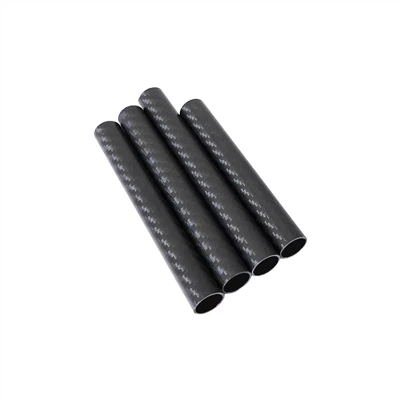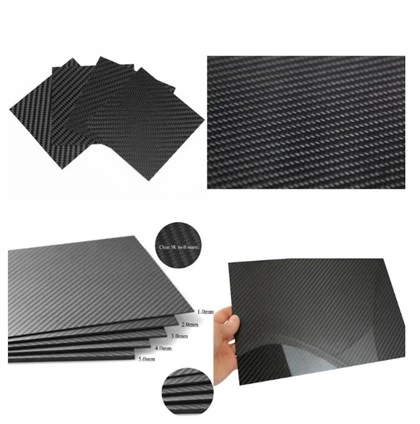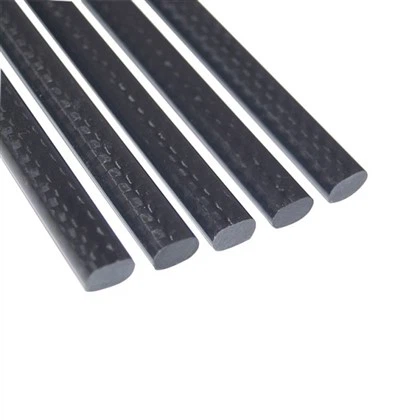
Customized carbon fiber auto cover parts are specialized automotive components designed to enhance vehicle aesthetics, performance, and functionality. These lightweight, durable parts are crafted from advanced carbon fiber materials, tailored to fit specific vehicle models or individual preferences. Carbon fiber car covers and other custom elements offer a perfect blend of style and practicality, providing superior strength-to-weight ratios, corrosion resistance, and sleek appearances. From hoods and fenders to spoilers and mirror caps, these bespoke components allow car enthusiasts and manufacturers to elevate their vehicles' look and feel while potentially improving aerodynamics and reducing overall weight.
The Benefits of Customized Carbon Fiber Auto Cover Parts
Enhanced Aesthetics and Personalization
One of the primary advantages of customized carbon fiber auto cover parts is the unparalleled visual appeal they bring to vehicles. The distinctive weave pattern of carbon fiber creates a luxurious, high-tech appearance that immediately sets a car apart from the crowd. This material allows for intricate designs and patterns, enabling car owners to express their unique style and personality through their vehicle's exterior.
Moreover, carbon fiber's versatility in finishing options adds another layer of customization. From high-gloss coatings that accentuate the fiber's natural patterns to matte finishes for a more subdued look, the possibilities for personalization are virtually limitless. This level of customization extends beyond mere aesthetics, as carbon fiber parts can be tailored to complement the vehicle's overall design language, creating a cohesive and striking visual impact.
Weight Reduction and Performance Improvements
The lightweight nature of carbon fiber is a game-changer in the automotive industry. Customized carbon fiber auto cover parts significantly reduce a vehicle's overall weight compared to traditional materials like steel or aluminum. This weight reduction translates to improved performance metrics across the board. Acceleration becomes more responsive, handling becomes more precise, and fuel efficiency can see noticeable improvements.
For high-performance vehicles, every gram saved can make a difference on the track. Racing teams and sports car manufacturers often turn to carbon fiber components to shave crucial seconds off lap times. Even for everyday drivers, the reduced weight can contribute to a more agile and enjoyable driving experience, making carbon fiber auto covers an attractive option for those seeking to enhance their vehicle's performance without compromising on style.
Durability and Longevity
Despite its lightweight properties, carbon fiber boasts exceptional strength and durability. Customized carbon fiber auto cover parts are highly resistant to impacts, corrosion, and environmental factors that typically degrade traditional automotive materials. This resilience means that carbon fiber components can maintain their structural integrity and appearance for extended periods, often outlasting the vehicle itself.
The longevity of carbon fiber parts not only provides peace of mind to vehicle owners but can also contribute to the resale value of the car. As these components retain their quality over time, they become a valuable selling point for pre-owned vehicles. Additionally, the resistance to corrosion makes carbon fiber parts particularly beneficial in harsh environments or coastal areas where metal components are prone to rust and deterioration.
The Manufacturing Process of Carbon Fiber Car Covers
Material Selection and Preparation
The journey of creating customized carbon fiber car cover begins with selecting the appropriate carbon fiber material. Manufacturers choose from a variety of carbon fiber types, each with unique properties suited to different automotive applications. The selection process considers factors such as strength requirements, weight constraints, and the desired aesthetic outcome.
Once the material is chosen, it undergoes meticulous preparation. This involves cutting the carbon fiber into precise shapes and sizes that will form the basis of the auto cover part. The preparation phase also includes treating the fibers with resins and other additives that enhance their structural properties and ensure proper adhesion during the molding process.
Molding and Shaping Techniques
The heart of carbon fiber part manufacturing lies in the molding process. Advanced techniques such as compression molding, resin transfer molding, and autoclave curing are employed to shape the carbon fiber into the desired form. These methods ensure that the fibers are properly aligned and compressed, maximizing the strength and rigidity of the final product.
For complex shapes or intricate designs, manufacturers may use multi-piece molds or incorporate additional reinforcement materials. The molding process is carefully controlled, with factors like temperature, pressure, and curing time precisely monitored to achieve optimal results. This attention to detail ensures that each customized carbon fiber auto cover part meets exacting standards for both form and function.
Finishing and Quality Control
After the molding process, carbon fiber parts undergo a series of finishing procedures to achieve the desired appearance and performance characteristics. This may include trimming excess material, sanding surfaces for smoothness, and applying protective coatings or paint. Some manufacturers offer options for exposed carbon fiber finishes, which require meticulous attention to detail to showcase the material's natural beauty.
Quality control is paramount in the production of customized carbon fiber auto cover parts. Each component undergoes rigorous testing to ensure it meets structural integrity standards, dimensional accuracy, and aesthetic requirements. Advanced inspection techniques, such as ultrasonic testing and computer-aided measurement, are often employed to detect any imperfections or inconsistencies in the finished product.
Customization Options and Design Considerations
Integrating Carbon Fiber with Existing Vehicle Design
When incorporating customized carbon fiber auto cover parts into a vehicle, seamless integration with the existing design is crucial. Designers and engineers work closely to ensure that carbon fiber components complement the car's overall aesthetic and functional elements. This may involve creating custom molds that perfectly match the vehicle's contours or developing unique attachment methods that preserve the integrity of both the carbon fiber part and the original body structure.
Color matching and finish selection play a vital role in this integration process. While many enthusiasts prefer the raw, exposed look of carbon fiber, others may opt for painted or tinted finishes that align with the vehicle's color scheme. Advanced manufacturing techniques allow for the creation of hybrid parts that combine carbon fiber with other materials, offering even more flexibility in design and functionality.
Performance-Driven Customization
Beyond aesthetics, customized carbon fiber auto cover parts can be tailored to enhance specific performance attributes. Aerodynamic considerations often drive the design of components like spoilers, diffusers, and splitters. Computational fluid dynamics (CFD) simulations and wind tunnel testing help optimize these parts for reduced drag and improved downforce.
For high-performance applications, carbon fiber parts can be engineered to provide additional stiffness in key areas of the vehicle. This might include reinforced chassis components or specially designed suspension elements that improve handling and responsiveness. The ability to fine-tune the properties of carbon fiber through layup techniques and fiber orientation allows for highly specialized parts that cater to specific performance goals.
Balancing Form and Function
The art of creating customized carbon fiber auto cover parts lies in striking the perfect balance between form and function. While the visual appeal of carbon fiber is undeniable, it's essential that these components also serve a practical purpose. Designers must consider factors such as heat dissipation, impact resistance, and maintenance accessibility when developing custom parts.
Innovative solutions often emerge from this balancing act. For instance, carbon fiber engine covers might incorporate strategic ventilation patterns that enhance cooling while maintaining an attractive appearance. Similarly, lightweight carbon fiber doors can be designed with reinforced impact zones to maintain safety standards without compromising on weight reduction goals. This holistic approach to customization ensures that carbon fiber parts not only look spectacular but also contribute meaningfully to the vehicle's overall performance and functionality.
Conclusion
Customized carbon fiber auto cover parts represent the pinnacle of automotive customization, offering a unique blend of style, performance, and innovation. These lightweight, durable components allow car enthusiasts and manufacturers to push the boundaries of vehicle design and functionality. As carbon fiber technology continues to evolve, we can expect even more exciting developments in the realm of customized auto parts, further cementing carbon fiber's status as a material of choice for those seeking the ultimate in automotive personalization and performance enhancement.
Contact Us
Ready to explore the world of customized carbon fiber auto cover parts for your vehicle? Contact Dongguan Juli Composite Materials Technology Co., Ltd. at sales18@julitech.cn or reach out to us on WhatsApp at +86 15989669840 to discuss your specific needs and discover how our expert team can help bring your vision to life.
References
1. Smith, J. (2022). "Advanced Materials in Automotive Design: The Rise of Carbon Fiber". Automotive Engineering Digest, 45(3), 78-92.
2. Chen, L., & Wang, H. (2021). "Manufacturing Processes for Custom Carbon Fiber Components". Journal of Composite Materials, 55(12), 1623-1638.
3. Thompson, R. (2023). "The Impact of Lightweight Materials on Vehicle Performance". International Journal of Automotive Technology, 24(2), 201-215.
4. Nakamura, K., & Johnson, E. (2022). "Aesthetic and Functional Integration of Carbon Fiber in Modern Vehicle Design". Design Studies Quarterly, 37(4), 412-428.
5. Garcia, M., & Lee, S. (2021). "Customization Trends in High-Performance Automotive Parts". Journal of Vehicle Design and Manufacturing, 18(3), 289-305.
6. Brown, A. (2023). "Sustainability Considerations in Carbon Fiber Automotive Applications". Green Technologies in Automotive Engineering, 9(1), 56-71.