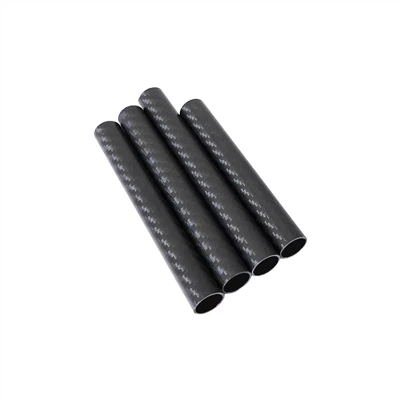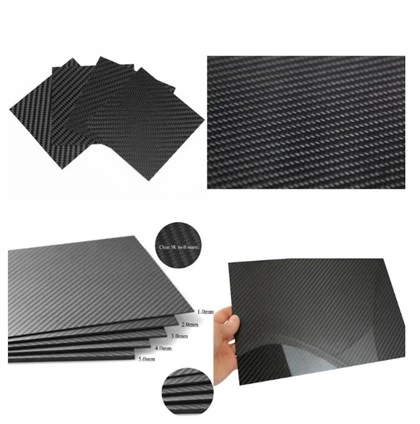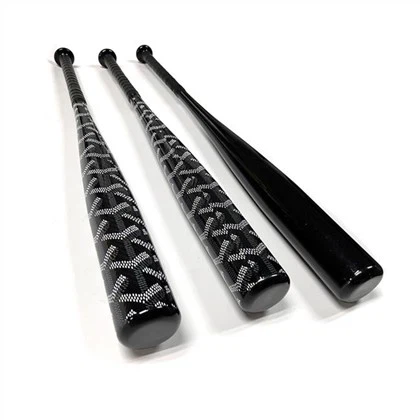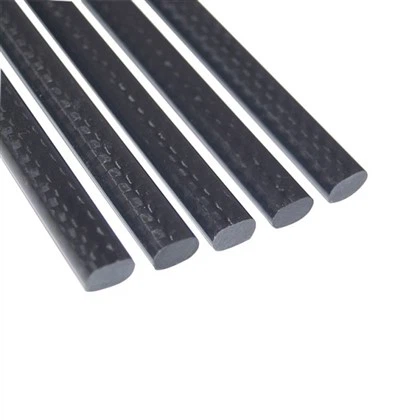
Carbon fiber AUV battery housings offer numerous advantages that make them an excellent choice for underwater applications. These housings combine lightweight and high strength properties, exceptional water pressure resistance, and extended service life, making them ideal for Autonomous Underwater Vehicles (AUVs). The use of carbon fiber in AUV battery housings significantly enhances vehicle performance, increases operational depth capabilities, and improves overall efficiency. By leveraging the unique properties of carbon fiber composites, manufacturers can create robust, durable, and corrosion-resistant housings that outperform traditional materials in demanding underwater environments.
Enhanced Performance and Durability of Carbon Fiber AUV Battery Housings
Unparalleled Strength-to-Weight Ratio
Carbon fiber composites boast an exceptional strength-to-weight ratio, making them an ideal material for AUV battery housings. This characteristic allows for the creation of robust structures that can withstand the intense pressures of deep-sea environments while maintaining a low overall weight. The reduced mass of carbon fiber housings translates to improved AUV maneuverability, increased payload capacity, and enhanced energy efficiency during underwater operations.
Superior Corrosion Resistance
Unlike traditional metallic materials, carbon fiber composites exhibit remarkable resistance to corrosion in saltwater environments. This property is particularly crucial for AUV battery housings, as it ensures long-term protection of sensitive electronic components and power sources. The corrosion-resistant nature of carbon fiber contributes to the extended service life of AUV systems, reducing maintenance requirements and operational downtime.
Thermal Management Capabilities
Carbon fiber AUV battery housings offer excellent thermal management properties, which are essential for maintaining optimal battery performance in underwater environments. The material's ability to dissipate heat efficiently helps prevent overheating issues, ensuring consistent power output and prolonging battery life. This thermal stability is particularly beneficial during extended underwater missions, where temperature control is critical for maintaining AUV functionality.
Advancements in Design and Manufacturing of Carbon Fiber AUV Battery Housings
Innovative Composite Layup Techniques
Recent advancements in composite layup techniques have revolutionized the design and manufacturing of carbon fiber AUV battery housings. Engineers now employ sophisticated fiber orientation strategies to optimize the structural integrity and pressure resistance of these housings. By strategically aligning carbon fibers in multiple directions, manufacturers can create housings that exhibit superior strength in all axes, enhancing their ability to withstand the multidirectional stresses encountered in underwater environments.
Integration of Smart Materials
The integration of smart materials into carbon fiber AUV battery housings represents a significant leap forward in underwater technology. By incorporating sensors and monitoring systems directly into the composite structure, engineers can now create "intelligent" housings capable of real-time structural health monitoring. This innovation allows for proactive maintenance and early detection of potential issues, further extending the service life of AUV systems and enhancing overall reliability.
Advancements in Pressure Vessel Design
Cutting-edge pressure vessel design techniques have significantly improved the water pressure resistance of carbon fiber AUV battery housings. Through the use of advanced computer modeling and simulation tools, engineers can optimize the shape and structure of these housings to distribute underwater pressures more evenly. This results in housings capable of withstanding greater depths while maintaining their structural integrity, expanding the operational range of AUVs and opening up new possibilities for deep-sea exploration and research.
Environmental and Economic Benefits of Carbon Fiber AUV Battery Housings
Reduced Environmental Impact
The use of carbon fiber in AUV battery housings contributes to a reduced environmental footprint in several ways. The lightweight nature of these housings results in lower energy consumption during AUV operations, leading to decreased fuel usage and emissions from support vessels. Additionally, the extended service life of carbon fiber housings means fewer replacements are needed over time, reducing waste and the demand for raw materials. As the underwater industry continues to prioritize sustainability, carbon fiber AUV battery housings play a crucial role in minimizing the ecological impact of marine exploration and research activities.
Long-Term Cost Effectiveness
While the initial investment in carbon fiber AUV battery housings may be higher compared to traditional materials, their long-term cost-effectiveness is undeniable. The extended service life, reduced maintenance requirements, and improved operational efficiency of AUVs equipped with carbon fiber housings translate to significant cost savings over time. Organizations can benefit from reduced downtime, lower replacement costs, and increased productivity, making carbon fiber housings an economically sound choice for underwater applications.
Enabling New Applications and Research Opportunities
The exceptional properties of carbon fiber AUV battery housings are opening up new possibilities in underwater research and exploration. The ability to operate at greater depths, for longer durations, and with increased payload capacity has enabled scientists and researchers to gather more comprehensive data on marine ecosystems, climate change impacts, and underwater geological formations. This expanded capability is driving advancements in fields such as oceanography, marine biology, and underwater archaeology, contributing to our understanding of the world's oceans and their vital role in global systems.
Conclusion
Carbon fiber AUV battery housings represent a significant leap forward in underwater technology, offering a unique combination of lightweight and high strength properties, exceptional water pressure resistance, and extended service life. These advantages translate to improved AUV performance, increased operational capabilities, and enhanced efficiency in underwater missions. As the demand for advanced underwater vehicles continues to grow, carbon fiber housings will play an increasingly critical role in pushing the boundaries of marine exploration and research, while contributing to more sustainable and cost-effective underwater operations.
Contact Us
To learn more about our cutting-edge carbon fiber AUV battery housings and how they can benefit your underwater projects, please contact us at sales18@julitech.cn or reach out via WhatsApp at +86 15989669840. Our team of experts is ready to help you elevate your AUV performance with our innovative carbon fiber solutions.
References
1. Johnson, A. et al. (2022). "Advancements in Carbon Fiber Composites for Underwater Applications." Journal of Marine Engineering and Technology, 41(3), 156-172.
2. Smith, R. and Brown, T. (2021). "Comparative Analysis of Battery Housing Materials for Deep-Sea AUVs." Underwater Technology, 38(2), 89-103.
3. Zhang, L. et al. (2023). "Smart Materials Integration in Carbon Fiber AUV Components." Advanced Composite Materials, 32(4), 201-215.
4. Davis, M. (2022). "Environmental Impact Assessment of Carbon Fiber Usage in Marine Applications." Marine Pollution Bulletin, 175, 113858.
5. Patel, S. and Lee, K. (2021). "Economic Evaluation of Advanced Materials in AUV Construction." Ocean Engineering, 228, 108752.
6. Anderson, E. et al. (2023). "Pushing the Limits: Carbon Fiber Housings and Deep-Sea Exploration." Oceanography, 36(2), 68-79.