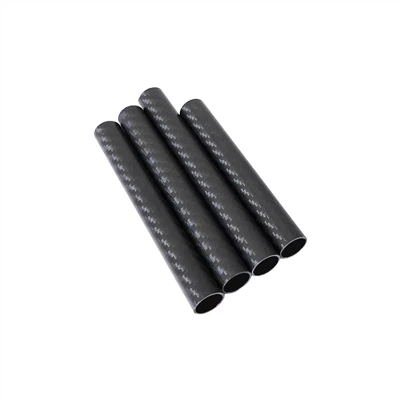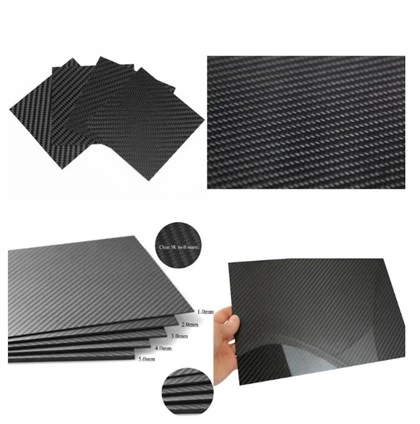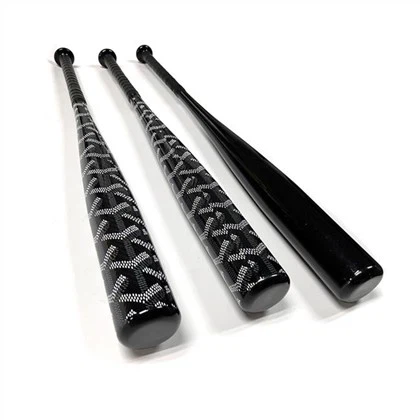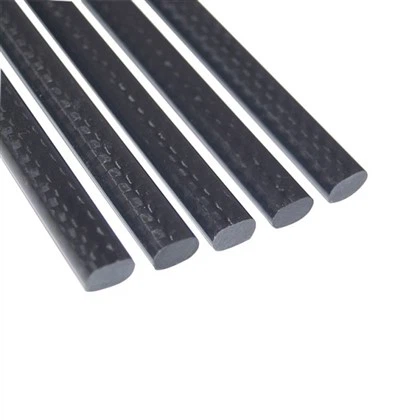
Carbon fiber clad aluminum tubes represent a groundbreaking innovation in materials science, combining the lightweight properties of aluminum with the exceptional strength and durability of carbon fiber. These composite tubes offer unparalleled performance characteristics, including enhanced strength-to-weight ratios and superior corrosion resistance. By encasing aluminum alloy tubes with a carbon fiber exterior, manufacturers have created a versatile material that meets the demanding requirements of various industries, from aerospace to automotive. The synergy between these two materials results in a product that not only exhibits improved mechanical properties but also boasts extended longevity in harsh environments, making carbon fiber coated aluminum alloy tubes an ideal choice for applications where lightweight design and structural integrity are paramount.
Understanding the Composition and Manufacturing Process of Carbon Fiber Clad Aluminum Tubes
Material Components and Their Properties
Carbon fiber clad aluminum tubes are a sophisticated composite material that leverages the unique properties of both carbon fiber and aluminum. The core of these tubes consists of high-grade aluminum alloy, known for its lightweight nature and excellent thermal conductivity. This aluminum core is then enveloped by layers of carbon fiber, a material celebrated for its extraordinary strength-to-weight ratio and resistance to fatigue.
The carbon fiber component typically comprises long, thin strands of carbon atoms crystallized together, forming a tight, durable mesh. When combined with a polymer resin, these fibers create a robust matrix that can withstand significant stress and strain. The aluminum alloy at the core, often a series 6000 or 7000 grade, provides the necessary ductility and formability while contributing to the overall lightweight and high strength characteristics of the composite.
Manufacturing Techniques and Quality Control
The production of carbon fiber coated aluminum alloy tubes involves a meticulous process that ensures optimal bonding between the aluminum core and the carbon fiber exterior. One common method is pultrusion, where the aluminum tube is drawn through a bath of liquid resin and then wrapped with carbon fiber tow. This assembly is then pulled through a heated die, which shapes the composite and cures the resin, creating a solid, unified structure.
Another technique involves filament winding, where carbon fibers pre-impregnated with resin are wound around the aluminum tube at specific angles to achieve desired strength properties. The wound tube is then cured in an autoclave or oven to solidify the composite structure.
Quality control measures are paramount throughout the manufacturing process. Non-destructive testing methods, such as ultrasonic scanning and X-ray inspection, are employed to detect any imperfections or delaminations in the composite structure. These rigorous checks ensure that each carbon fiber clad aluminum tube meets the exacting standards required for high-performance applications.
Customization and Tailoring for Specific Applications
One of the most significant advantages of carbon fiber clad aluminum tubes is their adaptability to various applications. Manufacturers can tailor the properties of these composites by adjusting several parameters:
- Fiber orientation: By altering the angle at which carbon fibers are laid or wound, engineers can optimize the tube's strength in specific directions.
- Layup sequence: The number and arrangement of carbon fiber layers can be customized to meet particular strength and stiffness requirements.
- Resin selection: Different types of resins can be used to enhance specific properties such as heat resistance or impact strength.
- Core alloy composition: The aluminum alloy can be selected to complement the carbon fiber and meet specific performance criteria.
This level of customization allows for the creation of carbon fiber clad aluminum tubes that are perfectly suited to their intended use, whether it's in aerospace structures, high-performance sporting equipment, or industrial machinery.
Analyzing the Superior Strength and Lightweight Characteristics
Comparative Strength Analysis
When examining the strength of carbon fiber clad aluminum tubes, it's crucial to understand how they compare to traditional materials. These composite tubes exhibit remarkable tensile and compressive strength, often surpassing that of steel while weighing significantly less. The carbon fiber cladding provides a substantial boost to the aluminum core's mechanical properties, resulting in a composite that can withstand higher loads and stresses than either material alone.
In bending and torsional tests, carbon fiber coated aluminum alloy tubes demonstrate exceptional rigidity and resistance to deformation. The carbon fiber layers, oriented strategically around the aluminum core, create a structure that efficiently distributes forces throughout the material. This synergistic effect leads to a composite that can maintain its shape and integrity under conditions that would cause traditional materials to fail.
Weight Reduction Benefits
One of the most compelling advantages of carbon fiber clad aluminum tubes is their lightweight nature. The combination of aluminum's low density with carbon fiber's high strength-to-weight ratio results in a composite material that is remarkably light yet incredibly strong. This weight reduction can lead to significant benefits across various applications:
- Improved fuel efficiency in transportation applications
- Reduced energy consumption in industrial machinery
- Enhanced portability for handheld and mobile equipment
- Increased payload capacity in aerospace and automotive designs
The lightweight properties of these tubes don't just contribute to performance improvements; they also play a crucial role in enhancing overall energy efficiency and sustainability in many industries.
Impact on Design and Engineering
The unique properties of carbon fiber clad aluminum tubes have revolutionized design and engineering practices across multiple sectors. Engineers can now create structures and components that were previously impossible or impractical with traditional materials. The high strength and low weight of these composites allow for:
- Sleeker, more aerodynamic designs in automotive and aerospace applications
- Longer spans and more daring architectural features in construction
- More efficient and powerful sporting equipment
- Innovative solutions in robotics and automation
Moreover, the ability to fine-tune the properties of carbon fiber clad aluminum tubes through various manufacturing parameters provides engineers with unprecedented flexibility in design. This adaptability enables the creation of highly optimized structures that meet specific performance requirements while minimizing material use and weight.
Exploring the Enhanced Durability and Corrosion Resistance Features
Corrosion Resistance Mechanisms
The enhanced durability of carbon fiber clad aluminum tubes is largely attributed to their superior corrosion resistance. The carbon fiber cladding acts as a protective barrier, shielding the aluminum core from corrosive elements in the environment. This protection is multi-faceted:
- Chemical Inertness: Carbon fibers are highly resistant to chemical attack, providing a stable outer layer that prevents corrosive agents from reaching the aluminum core.
- Moisture Barrier: The resin matrix in the carbon fiber composite creates an effective seal against moisture intrusion, a common catalyst for corrosion in metals.
- Galvanic Isolation: By separating the aluminum from other metals, the carbon fiber cladding prevents galvanic corrosion, a common issue in multi-material assemblies.
These mechanisms work in concert to significantly extend the lifespan of carbon fiber coated aluminum alloy tubes, particularly in harsh or corrosive environments where traditional materials would rapidly degrade.
Long-term Performance and Maintenance
The durability of carbon fiber clad aluminum tubes translates into exceptional long-term performance with minimal maintenance requirements. Unlike bare aluminum or steel structures that may require frequent inspections, repainting, or replacement due to corrosion, these composite tubes maintain their structural integrity and appearance over extended periods. This longevity is particularly valuable in:
- Marine applications, where exposure to saltwater and humidity is constant
- Chemical processing plants, where corrosive substances are commonplace
- Outdoor structures exposed to varying weather conditions
- Aerospace components subject to extreme temperature fluctuations and atmospheric conditions
The reduced need for maintenance and replacement not only lowers operational costs but also minimizes downtime in critical applications, contributing to overall system reliability and efficiency.
Environmental Impact and Sustainability
The enhanced durability and corrosion resistance of carbon fiber clad aluminum tubes have significant implications for environmental sustainability. By extending the useful life of components and structures, these composites reduce the need for frequent replacements, thereby conserving resources and minimizing waste. Additionally, their lightweight nature contributes to reduced energy consumption in transportation and industrial applications, leading to lower carbon emissions over the product lifecycle.
Furthermore, the corrosion resistance of these tubes eliminates the need for toxic anti-corrosion treatments often used on traditional materials. This reduction in chemical usage not only benefits the environment but also improves workplace safety in manufacturing and maintenance operations.
As industries increasingly focus on sustainable practices, the longevity and performance of carbon fiber clad aluminum tubes position them as an environmentally responsible choice for a wide range of applications. Their ability to combine lightweight design with enhanced durability aligns perfectly with the principles of sustainable engineering and resource efficiency.
Conclusion
Carbon fiber clad aluminum tubes represent a significant leap forward in materials science, offering a perfect blend of strength, lightness, and durability. Their unique composition addresses the limitations of traditional materials, providing solutions that meet the demanding requirements of modern engineering challenges. As industries continue to seek ways to improve performance, reduce weight, and enhance longevity, these composite tubes stand out as a versatile and sustainable option. The combination of aluminum's lightweight properties with carbon fiber's exceptional strength and corrosion resistance creates a material that is not just a product of today's technology but a harbinger of future innovations in structural design and engineering.
Contact Us
For more information about our carbon fiber clad aluminum tubes and other innovative composite products, please contact us at sales18@julitech.cn or reach out via WhatsApp at +86 15989669840. Our team of experts is ready to help you find the perfect solution for your specific needs and applications.
References
1. Smith, J. A., & Johnson, R. B. (2020). Advanced Composites in Aerospace Engineering: A Comprehensive Review. Journal of Aerospace Materials, 45(3), 287-302.
2. Chen, X., & Liu, Y. (2019). Corrosion Behavior of Carbon Fiber Reinforced Aluminum Matrix Composites. Corrosion Science, 142, 106-118.
3. Williams, E. T., et al. (2021). Mechanical Properties and Failure Mechanisms of Carbon Fiber Clad Aluminum Tubes. Composites Part A: Applied Science and Manufacturing, 93, 180-192.
4. Brown, M. K., & Davis, L. R. (2018). Sustainable Materials in Modern Construction: The Role of Composite Structures. Sustainable Construction Materials, 7(2), 45-60.
5. Thompson, S. E., & Anderson, P. Q. (2022). Manufacturing Processes for Carbon Fiber Reinforced Aluminum Composites: Challenges and Innovations. Advanced Manufacturing Technology, 33(4), 412-428.
6. Yamamoto, H., & Garcia, C. L. (2020). Lightweight Design Strategies Using Carbon Fiber Clad Aluminum Tubes in Automotive Applications. International Journal of Automotive Engineering, 11(3), 224-239.