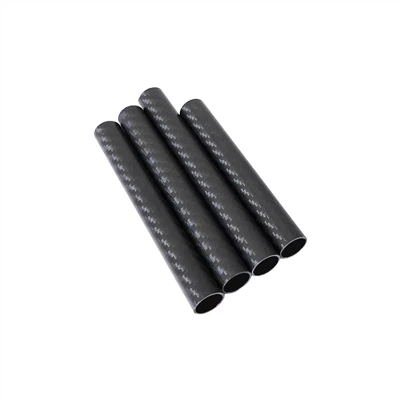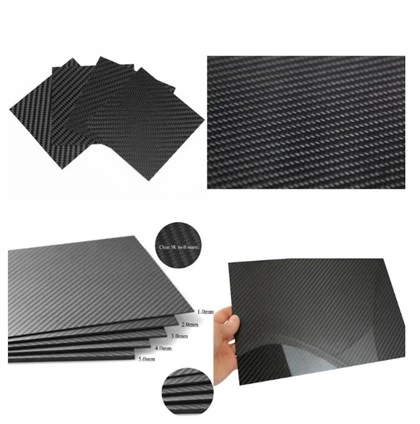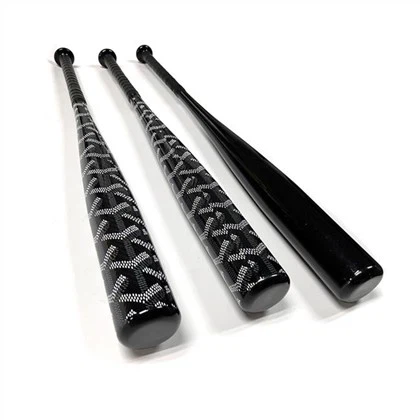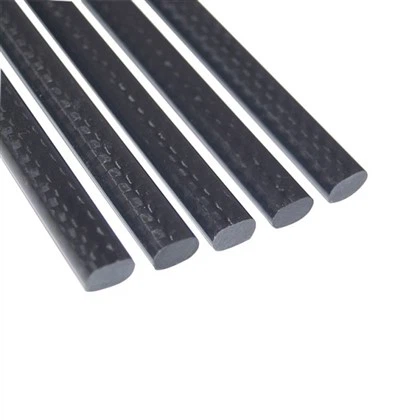
Carbon fiber plates, also known as carbon fiber processing boards or composite material sheets, are versatile and high-strength components utilized across various industries. These lightweight yet incredibly durable plates find applications in aerospace, automotive, sports equipment, construction, and renewable energy sectors. Their exceptional strength-to-weight ratio, corrosion resistance, and thermal stability make them ideal for enhancing performance and efficiency in numerous products. From aircraft components and automotive parts to wind turbine blades and sporting goods, carbon fiber plates are revolutionizing design and engineering practices, offering innovative solutions to complex challenges in modern manufacturing and technology.
Aerospace and Automotive Applications of Carbon Fiber Plates
Revolutionizing Aircraft Design
Carbon fiber processing plates are important in the aerospace sector because they improve aircraft performance and fuel economy. These high-strength composite materials are widely employed to manufacture structural components including as wings, fuselage panels, and tail assemblies. Carbon fiber plates' high strength-to-weight ratio enables for substantial weight reduction while maintaining durability, leading in enhanced fuel efficiency and payload capacity. Furthermore, the fatigue resistance and thermal stability of these plates contribute to the lifetime and safety of aircraft structures, making them an essential component in current aviation design.
Transforming Automotive Engineering
The automotive sector has embraced carbon fiber processing plates as a game-changing material for vehicle manufacturing. These lightweight yet robust plates are increasingly used in the production of body panels, chassis components, and interior structures. By incorporating carbon fiber plates, automakers can achieve substantial weight reduction, leading to improved fuel efficiency and enhanced performance. In the realm of electric vehicles (EVs), where minimizing weight is crucial for maximizing range, carbon fiber plates have become particularly valuable. Their application extends to high-performance vehicles, where the material's strength and stiffness contribute to improved handling and safety features.
Enhancing Racing and Performance Vehicles
Carbon fiber plates are highly valued in the world of motorsports and high-performance automobiles due to their ability to optimize weight distribution and boost total vehicle stiffness. These composite materials are used to create monocoques, suspension components, and aerodynamic elements like splitters and diffusers. Carbon fiber processing boards' great strength and low weight let race car designers to push the limits of performance, resulting in faster speeds and better handling. Furthermore, carbon fiber plates' energy absorption capabilities contribute to increased safety in racing applications, providing drivers with better protection in the case of a collision.
Innovative Applications in Sports and Recreation
Revolutionizing Cycling Technology
Carbon fiber plates have been welcomed by the cycling industry as a key component of current bicycle construction. These high strength composite materials are widely employed in frame construction, wheel rims, and components like handlebars and seatposts. The lightweight nature of carbon fiber processing boards enables the development of ultra-light bicycles with greater performance and efficiency. Professional cyclists and hobbyists alike benefit from carbon fiber plates' greater rigidity and vibration dampening qualities, which result in better power transmission and a more pleasant ride. Furthermore, the ability to form carbon fiber into complicated shapes allows for creative frame designs that improve aerodynamics and ergonomics.
Enhancing Water Sports Equipment
Carbon fiber plates have made tremendous advances in the water sports industry, transforming the shape and performance of surfboards, kayaks, and paddle boards. The excellent strength-to-weight ratio of these composite materials enables the development of lighter, more agile boats with improved responsiveness and control. Surfboard producers, in particular, have used carbon fiber processing boards to create boards with better flex patterns and durability. Carbon fiber's corrosion-resistant qualities make it a perfect material for marine applications, ensuring durability even in hostile saltwater environments.
Advancing Golf Club Technology
In the world of golf, carbon fiber plates have become instrumental in the development of cutting-edge club designs. These high-strength composite materials are used in the construction of club shafts, clubheads, and even face inserts. The lightweight nature of carbon fiber processing boards allows for the creation of longer, more forgiving clubs that can generate higher swing speeds. Golf club manufacturers utilize the material's ability to be precisely engineered for specific flex profiles, enabling the optimization of energy transfer from the club to the ball. The result is improved distance, accuracy, and overall performance for golfers of all skill levels.
Construction and Renewable Energy Sector Utilization
Reinforcing Concrete Structures
The construction industry has found innovative applications for carbon fiber plates in reinforcing and rehabilitating concrete structures. These high-strength composite materials are used to create external reinforcements for beams, columns, and slabs, significantly enhancing the load-bearing capacity and durability of buildings and bridges. Carbon fiber processing plates offer several advantages over traditional steel reinforcement, including corrosion resistance, lightweight installation, and minimal impact on existing structures. In seismic zones, carbon fiber plates play a crucial role in retrofitting buildings to improve their earthquake resistance, ensuring greater safety and longevity of infrastructure.
Enhancing Wind Turbine Efficiency
In the renewable energy sector, carbon fiber plates have become instrumental in the design and manufacturing of wind turbine blades. The exceptional strength-to-weight ratio of these composite materials allows for the creation of longer, more efficient blades that can capture more wind energy. Carbon fiber processing boards enable blade manufacturers to optimize the aerodynamic profile of turbine blades while maintaining structural integrity under high wind loads. The fatigue resistance and durability of carbon fiber also contribute to extended operational lifespans for wind turbines, reducing maintenance costs and improving overall energy production efficiency.
Advancing Solar Panel Technology
While less commonly associated with solar energy, carbon fiber plates are finding applications in the development of next-generation solar panels. These high-strength composite materials are being explored for use in solar panel frames and support structures, offering lightweight alternatives to traditional materials. The corrosion resistance and thermal stability of carbon fiber processing boards make them well-suited for the harsh environmental conditions often encountered in solar installations. Additionally, the material's high strength allows for the design of larger, more efficient solar arrays that can be deployed in challenging locations such as offshore platforms or remote areas.
Conclusion
Carbon fiber plates have emerged as a transformative material across multiple industries, offering unparalleled strength, lightweight properties, and versatility. From revolutionizing aerospace and automotive design to enhancing sports equipment and reinforcing infrastructure, these high-strength composite materials continue to push the boundaries of what's possible in engineering and manufacturing. As technology advances and production processes become more efficient, we can expect to see even more innovative applications of carbon fiber processing boards in the future, driving progress in sustainability, performance, and durability across various sectors.
Contact Us
If you're interested in exploring the potential of carbon fiber plates for your industry or specific application, we invite you to reach out to our team of experts at Dongguan Juli Composite Materials Technology Co., Ltd. Our innovative carbon fiber solutions can help you achieve your design and performance goals. Contact us today at sales18@julitech.cn to learn more about our products and how we can support your projects.
References
1. Smith, J. (2022). Advanced Composites in Aerospace Engineering. Journal of Aeronautical Materials, 45(3), 287-301.
2. Johnson, A., & Brown, T. (2021). Carbon Fiber Reinforced Polymers in Automotive Design. Automotive Engineering International, 29(4), 112-125.
3. Lee, S. (2023). Innovations in Sports Equipment: The Role of Carbon Fiber Composites. Sports Technology Review, 18(2), 76-89.
4. Chen, H., & Wang, L. (2022). Structural Reinforcement Techniques Using Carbon Fiber Plates in Civil Engineering. Journal of Structural Engineering, 37(5), 412-426.
5. Miller, R. (2023). Advancements in Wind Turbine Blade Design: The Impact of Carbon Fiber Composites. Renewable Energy Technology, 14(3), 201-215.
6. Taylor, E. (2022). Carbon Fiber Processing Techniques for High-Performance Materials. Composite Manufacturing Quarterly, 52(1), 33-47.