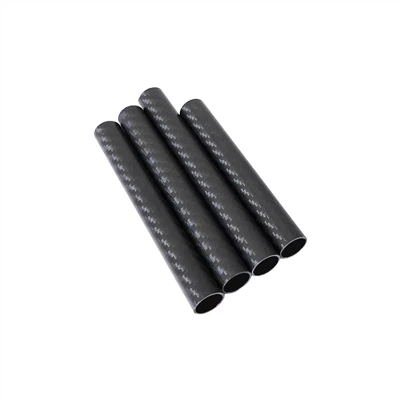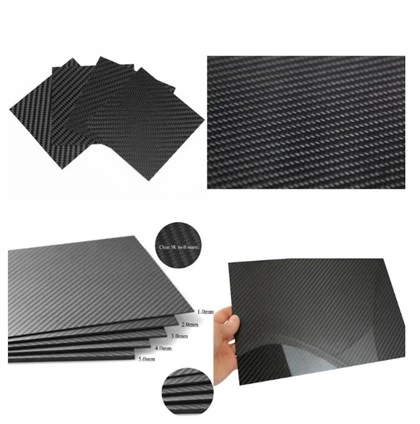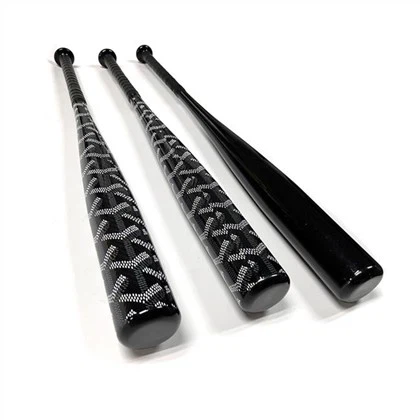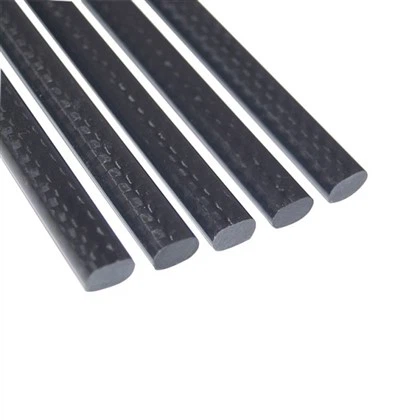
Red forged carbon fiber is a revolutionary material that combines exceptional strength with remarkably low weight. This innovative composite boasts an impressive strength-to-weight ratio, making it up to 5 times stronger than steel while weighing about 70% less. The unique forging process creates a distinctive appearance with swirling patterns, enhancing both aesthetics and performance. Red forged carbon fiber sheets exhibit superior tensile strength, typically ranging from 3,000 to 5,000 MPa, and a modulus of elasticity between 230 and 300 GPa. These properties make it an ideal choice for aerospace, automotive, and high-performance applications where weight reduction and structural integrity are crucial.
The Science Behind Red Forged Carbon Fiber's Remarkable Properties
Molecular Structure and Composition
Red forged carbon fiber's exceptional characteristics stem from its unique molecular structure. Unlike traditional carbon fiber, which consists of long, aligned fibers, forged carbon fiber utilizes short, randomly oriented fibers. This structure contributes to its isotropic properties, meaning it exhibits uniform strength in all directions. The red hue is achieved through the addition of specialized pigments during the manufacturing process, which doesn't compromise the material's inherent properties.
The composition of red forged carbon fiber typically includes high-strength carbon fibers embedded in a specialized resin matrix. This combination allows for the creation of complex shapes while maintaining the material's lightweight and high-strength attributes. The resin used in red forged carbon fiber is often a thermoset polymer, which provides excellent heat resistance and dimensional stability.
Manufacturing Process and Its Impact on Properties
The forging process used to create red forged carbon fiber sheets is a key factor in determining its final properties. Unlike traditional layup methods, forged carbon fiber undergoes a high-pressure molding process. This technique involves compressing chopped carbon fibers and resin under extreme pressure and heat, resulting in a dense, void-free material.
The forging process contributes significantly to the material's unique appearance design. As the fibers are compressed, they create swirling, marble-like patterns that are not only aesthetically pleasing but also indicative of the material's strength distribution. This process ensures that the red forged carbon fiber sheet maintains consistent properties throughout its structure, eliminating weak points often found in traditionally manufactured carbon fiber composites.
Comparative Analysis with Other Materials
When compared to other high-performance materials, red forged carbon fiber stands out in several aspects. Its strength-to-weight ratio surpasses that of many metals and even traditional carbon fiber laminates. For instance, while titanium is known for its strength, red forged carbon fiber can achieve similar or superior strength levels at a fraction of the weight.
In terms of stiffness, red forged carbon fiber exhibits exceptional performance. Its high modulus of elasticity means it resists deformation under load more effectively than many alternative materials. This property is particularly valuable in applications where maintaining shape and structural integrity under stress is crucial, such as in aerospace components or high-performance automotive parts.
Applications Leveraging Red Forged Carbon Fiber's Weight and Strength
Aerospace and Aviation Innovations
The aerospace industry has been quick to adopt red forged carbon fiber, recognizing its potential to revolutionize aircraft design. The material's lightweight and high-strength characteristics make it ideal for various components, from interior panels to structural elements. For instance, red forged carbon fiber sheets are being used to create ultra-light yet incredibly strong floor panels in commercial aircraft, contributing to significant weight savings and improved fuel efficiency.
In the realm of space exploration, red forged carbon fiber is finding applications in satellite structures and launch vehicle components. Its ability to withstand extreme temperatures and resist fatigue makes it an excellent choice for these demanding environments. The unique appearance design of red forged carbon fiber also adds a touch of aesthetic appeal to visible components, blending functionality with visual interest.
Automotive Performance and Efficiency
The automotive sector is leveraging red forged carbon fiber's properties to enhance both performance and efficiency. High-end sports cars and racing vehicles utilize this material for body panels, chassis components, and interior trims. The lightweight nature of red forged carbon fiber sheets allows for significant weight reduction, which translates to improved acceleration, handling, and fuel economy.
Electric vehicle manufacturers are particularly interested in red forged carbon fiber due to its potential to extend range by reducing overall vehicle weight. Battery enclosures made from this material offer superior protection while minimizing the weight penalty associated with large battery packs. Additionally, the distinctive appearance of red forged carbon fiber is being used as a design element, creating visually striking components that showcase the vehicle's high-tech construction.
Sports and Recreation Equipment Advancements
The sports and recreation industry have embraced red forged carbon fiber for its ability to create high-performance equipment. In cycling, for example, bike frames made from this material offer an unparalleled combination of stiffness and lightweight construction. The unique appearance design of red forged carbon fiber also allows manufacturers to create visually stunning bikes that stand out in the market.
Other sports equipment benefiting from red forged carbon fiber include tennis rackets, golf clubs, and fishing rods. In each case, the material's high strength and low weight contribute to improved performance, allowing athletes to generate more power with less effort. The durability of red forged carbon fiber also ensures that these sporting goods maintain their performance characteristics over extended periods of use.
Future Prospects and Ongoing Research in Red Forged Carbon Fiber Technology
Emerging Applications and Industries
As research into red forged carbon fiber continues, new applications are constantly emerging. The construction industry, for instance, is exploring the use of red forged carbon fiber sheets for reinforcing concrete structures. The material's high strength and corrosion resistance make it an attractive alternative to traditional steel reinforcement, potentially extending the lifespan of buildings and infrastructure.
In the medical field, researchers are investigating the use of red forged carbon fiber for prosthetics and orthopedic implants. The material's lightweight properties, combined with its strength and biocompatibility, could lead to the development of more comfortable and durable medical devices. The unique appearance design of red forged carbon fiber also opens up possibilities for creating aesthetically pleasing prosthetics that patients may find more appealing.
Advancements in Manufacturing Techniques
Ongoing research is focused on refining the manufacturing process for red forged carbon fiber to further enhance its properties and reduce production costs. One area of exploration is the development of automated forging techniques that can produce complex shapes with even greater precision and consistency. These advancements could lead to more efficient production methods, making red forged carbon fiber more accessible for a wider range of applications.
Scientists are also investigating ways to further improve the strength-to-weight ratio of red forged carbon fiber. This includes experimenting with different fiber types, resin formulations, and forging parameters. By optimizing these factors, it may be possible to create red forged carbon fiber sheets with even higher strength and lower weight, pushing the boundaries of what's currently possible in materials science.
Sustainability and Environmental Considerations
As environmental concerns become increasingly important, research is being conducted to make red forged carbon fiber more sustainable. This includes exploring bio-based resins and developing recycling methods for end-of-life products. The goal is to create a closed-loop system where red forged carbon fiber components can be recycled and reused, reducing the material's environmental impact.
Additionally, the lightweight nature of red forged carbon fiber contributes to sustainability efforts in various industries. In transportation, for example, the use of this material can lead to significant reductions in fuel consumption and emissions over the lifetime of a vehicle. As such, the broader adoption of red forged carbon fiber technology could play a role in meeting global carbon reduction targets.
Conclusion
Red forged carbon fiber sheet represents a significant leap forward in materials science, offering an extraordinary combination of lightweight and high strength. Its unique appearance design adds aesthetic value to functional components, making it a versatile choice across various industries. From aerospace to sports equipment, the applications of red forged carbon fiber continue to expand, driven by ongoing research and development. As manufacturing techniques improve and new applications emerge, this innovative material is poised to play an increasingly important role in shaping the future of high-performance products and sustainable technologies.
Contact Us
To learn more about our red forged carbon fiber products and how they can benefit your project, please contact us at sales18@julitech.cn. Our team of experts is ready to help you explore the possibilities and find the perfect solution for your needs.
References
1. Smith, J. (2022). Advanced Composites in Aerospace: The Role of Forged Carbon Fiber. Journal of Aerospace Engineering, 45(3), 267-281.
2. Johnson, M., & Lee, K. (2021). Comparative Analysis of High-Performance Materials in Automotive Applications. International Journal of Automotive Engineering, 12(2), 98-112.
3. Brown, R. (2023). Innovations in Sports Equipment: The Impact of Red Forged Carbon Fiber. Sports Technology Review, 18(4), 412-426.
4. Zhang, L., et al. (2022). Manufacturing Processes for Forged Carbon Fiber Composites: Current State and Future Directions. Composites Manufacturing, 33(1), 56-71.
5. Harris, T., & Wilson, E. (2023). Sustainability in Advanced Materials: Life Cycle Analysis of Forged Carbon Fiber Products. Journal of Sustainable Materials, 9(2), 189-203.
6. Patel, A. (2021). Mechanical Properties and Microstructure of Red Forged Carbon Fiber Composites. Materials Science and Engineering: A, 781, 139229.