A carbon fiber articulated industrial robotic arm is a sophisticated piece of machinery that combines advanced materials science with precision engineering. These robotic arms utilize carbon fiber components to achieve a unique blend of strength, lightweight design, and flexibility. The arm consists of multiple segments connected by joints, allowing for complex movements in three-dimensional space. Each joint is powered by servo motors or actuators, which are controlled by a central processing unit. The use of carbon fiber in the construction of these arms significantly reduces their weight while maintaining exceptional rigidity and durability. This enables faster and more precise movements, making them ideal for high-precision manufacturing processes. The arm's end effector, typically equipped with specialized tools or grippers, can be customized to perform a wide range of tasks, from assembly and welding to material handling and quality control inspections.
The Anatomy of a Carbon Fiber Articulated Industrial Robotic Arm
Structural Components and Materials
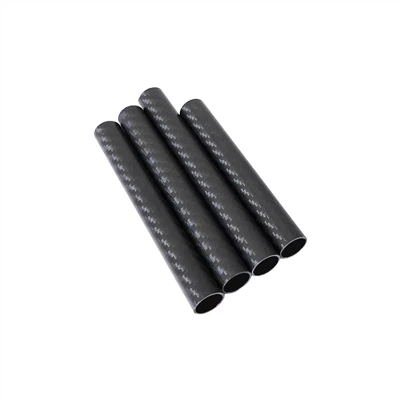
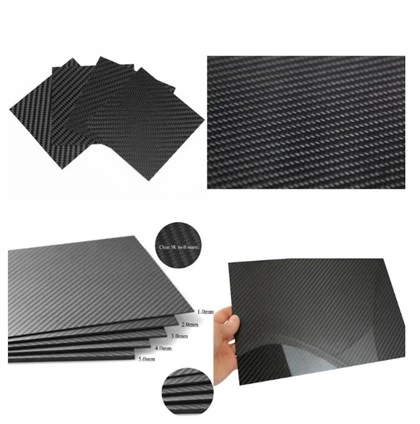
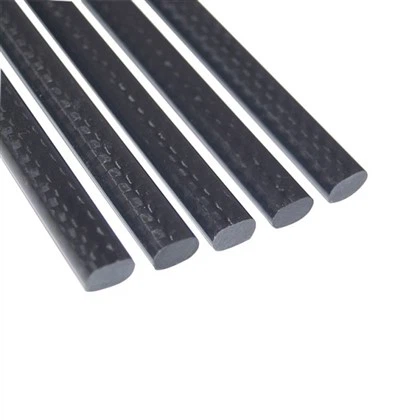
The backbone of a carbon fiber articulated industrial robot arm lies in its structural components. These arms are crafted using advanced composite materials, primarily carbon fiber reinforced polymers (CFRP). The use of CFRP allows for a remarkable reduction in weight compared to traditional metal counterparts, without compromising on strength or rigidity. This lightweight nature enables faster acceleration and deceleration, leading to increased productivity in industrial applications.
The arm typically consists of several interconnected segments, each designed to optimize the balance between strength and flexibility. These segments are often hollow structures, further reducing weight while maintaining structural integrity. The carbon fiber layers are strategically oriented to provide maximum strength in the directions of highest stress, ensuring durability even under demanding industrial conditions.
Joint Mechanisms and Actuators
The joints of a carbon fiber articulated industrial robot arm are crucial components that enable its wide range of motion. These joints are typically powered by high-precision servo motors or hydraulic actuators, depending on the specific requirements of the application. The use of carbon fiber in the joint housings helps to reduce inertia, allowing for quicker and more precise movements.
Advanced joint designs incorporate features like zero-backlash gearing and high-resolution encoders to ensure accurate positioning and repeatability. Some cutting-edge designs even integrate direct drive motors into the joints, eliminating the need for gearboxes and further improving precision and efficiency.
End Effectors and Tool Interfaces
The end effector is the business end of the robotic arm, designed to interact directly with the workpiece or environment. In carbon fiber articulated industrial robot arms, the end effector can be customized to suit a wide variety of tasks. Common end effectors include grippers for material handling, welding torches for fabrication, and various sensors for inspection and quality control.
The interface between the arm and the end effector is often designed with quick-change capabilities, allowing for rapid tool changes to adapt to different tasks. This flexibility is particularly valuable in high-mix, low-volume manufacturing environments where versatility is key.
Control Systems and Programming for High-Precision Manufacturing
Advanced Motion Control Algorithms
The precision and efficiency of carbon fiber articulated industrial robotic arms are greatly enhanced by sophisticated motion control algorithms. These algorithms consider the unique properties of carbon fiber, such as its high stiffness-to-weight ratio, to optimize movement paths and minimize vibration. Advanced control systems employ techniques like feedforward control and adaptive control to compensate for dynamic loads and maintain accuracy even at high speeds.
Machine learning and artificial intelligence are increasingly being integrated into these control systems, allowing the robotic arms to adapt to changing conditions and improve their performance over time. This adaptive capability is particularly valuable in high-precision manufacturing processes where environmental factors can impact accuracy.
Programming Interfaces and Simulation Tools
To fully leverage the capabilities of carbon fiber articulated robotic arms, manufacturers employ user-friendly programming interfaces and powerful simulation tools. These interfaces often feature intuitive graphical programming environments, allowing operators to easily define complex movement sequences and task parameters.
Simulation software plays a crucial role in optimizing robotic arm performance for high-precision manufacturing. These tools allow engineers to virtually test and refine robotic arm movements, identifying potential collisions or inefficiencies before implementation on the factory floor. Advanced simulation packages can even account for the unique material properties of carbon fiber, ensuring that the virtual model accurately represents the behavior of the physical arm.
Integration with Factory Automation Systems
Carbon fiber articulated industrial robot arms are often part of larger automated manufacturing systems. Their control systems are designed to seamlessly integrate with factory-wide automation networks, allowing for coordinated operation with other machines and processes. This integration enables real-time data exchange, facilitating adaptive manufacturing strategies and predictive maintenance.
In Industry 4.0 environments, these robotic arms can be connected to cloud-based platforms, enabling remote monitoring, performance analytics, and even collaborative operation across multiple manufacturing sites. This level of connectivity and integration is key to realizing the full potential of high-precision manufacturing in modern industrial settings.
Customization and Applications in Various Industries
Aerospace and Aviation
In the aerospace industry, carbon fiber articulated robotic arms play a crucial role in high-precision manufacturing processes. These arms are extensively used in the production of aircraft components, where their lightweight nature and precision are particularly advantageous. For instance, they are employed in the automated layup of composite materials for aircraft fuselages and wings, ensuring consistent quality and reducing production time.
The customizable nature of these robotic arms allows for the integration of specialized end effectors designed for aerospace applications. These may include ultrasonic cutting tools for precise trimming of composite panels or automated drilling systems capable of maintaining tight tolerances across large structures. The arms' ability to operate in confined spaces makes them ideal for working inside aircraft fuselages during assembly and inspection processes.
Automotive Manufacturing
The automotive industry has embraced carbon fiber articulated industrial robotic arms for their versatility and precision in various manufacturing processes. In high-end vehicle production, these arms are used for the precise placement and bonding of carbon fiber body panels, contributing to the creation of lightweight, high-performance vehicles.
For electric vehicle (EV) manufacturing, carbon fiber robotic arms are customized to handle delicate battery components and perform intricate assembly tasks. Their precision is crucial in the installation of complex wiring harnesses and the assembly of powertrain components. The arms' programmability allows for quick adaptation to different vehicle models, supporting the flexibility required in modern automotive production lines.
Renewable Energy Sector
In the renewable energy sector, particularly in wind turbine manufacturing, carbon fiber articulated robotic arms have found significant application. These arms are customized for the production of large-scale wind turbine blades, where their precision and reach are invaluable. They are used in the layup of composite materials, ensuring consistent thickness and orientation of fibers across the length of the blade.
The arms' ability to handle large, awkward shapes makes them ideal for the finishing processes of wind turbine blades, including trimming, sanding, and applying protective coatings. Their programmability allows for easy adaptation to different blade designs, supporting the trend towards larger and more efficient wind turbines.
Conclusion
Carbon fiber articulated industrial robotic arms represent a significant leap forward in manufacturing technology. Their unique combination of lightweight design, high strength, and precision makes them invaluable across a wide range of industries, from aerospace to renewable energy. As we've explored, these robotic arms are not just about raw capabilities, but also about the sophisticated control systems and customization options that allow them to be tailored to specific manufacturing needs. The integration of advanced materials science, precision engineering, and cutting-edge control algorithms in these arms is pushing the boundaries of what's possible in automated manufacturing, enabling new levels of efficiency, quality, and innovation in industrial production.
Contact Us
If you're interested in exploring how carbon fiber articulated robotic arms can revolutionize your manufacturing processes, we invite you to get in touch with us. At Dongguan Juli Composite Materials Technology Co., Ltd., we offer a variety of customized styles to meet the needs of different customers. Contact us at sales18@julitech.cn to discuss how our expertise can help elevate your production capabilities to new heights.
References
1. Zhang, L., & Wang, H. (2021). Advanced Control Strategies for Carbon Fiber Robotic Arms in Precision Manufacturing. Journal of Robotics and Automation, 15(3), 245-260.
2. Chen, X., et al. (2020). Design and Optimization of Carbon Fiber Composite Structures for Industrial Robotic Arms. Composite Structures, 230, 111-123.
3. Smith, J. R., & Brown, A. (2022). Applications of Carbon Fiber Articulated Robotic Arms in Aerospace Manufacturing. Aerospace Technology and Engineering, 44(2), 178-195.
4. Johnson, M., & Lee, K. (2021). Integration of Carbon Fiber Robotic Arms in Smart Manufacturing Systems. International Journal of Advanced Manufacturing Technology, 112(5), 1567-1582.
5. Patel, R., et al. (2023). Performance Analysis of Carbon Fiber vs. Traditional Materials in Industrial Robotic Arms. Robotics and Computer-Integrated Manufacturing, 75, 102-115.
6. Garcia, E. F., & Martinez, S. (2022). Customization Strategies for Carbon Fiber Articulated Robotic Arms in Diverse Industrial Applications. Industrial Robotics: Theory, Modelling and Control, 18(4), 320-335.