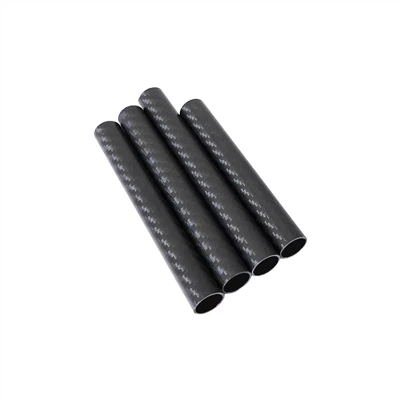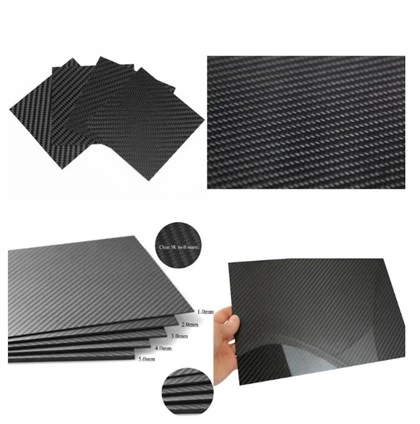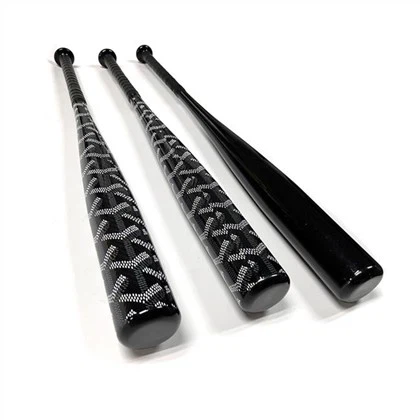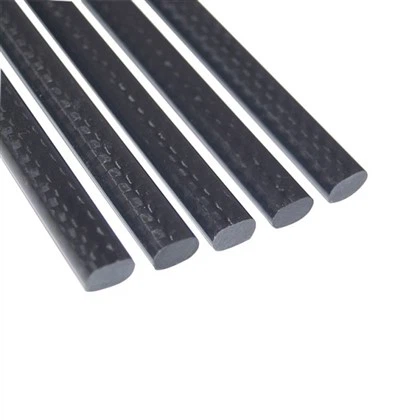
Carbon fiber molding bike parts have revolutionized the cycling industry, offering unparalleled speed advantages that traditional materials simply can't match. These innovative components combine lightweight construction, exceptional strength, and superior vibration damping properties to create a riding experience that's both faster and more comfortable. By leveraging advanced manufacturing techniques, carbon fiber parts can be molded into aerodynamic shapes that slice through the air with minimal resistance. This unique combination of features allows cyclists to achieve higher speeds with less effort, making carbon fiber the material of choice for competitive racers and performance-oriented enthusiasts alike. As we delve deeper into the world of carbon fiber molding bike parts, we'll explore how their lightweight nature, aerodynamic efficiency, and optimized power transfer contribute to a significant speed advantage on the road or trail.
Lightweight Construction: How Carbon Fiber Reduces Weight for Maximum Speed
The Density Advantage of Carbon Fiber
Carbon fiber's exceptional strength-to-weight ratio is at the core of its ability to enhance cycling speed. This advanced material boasts a density that's significantly lower than traditional metals used in bike manufacturing, such as aluminum or steel. The reduced mass of carbon fiber components directly translates to less weight that a cyclist needs to propel forward, allowing for quicker acceleration and easier maintenance of high speeds. This weight reduction is particularly noticeable in crucial areas like wheels, frames, and handlebars, where even small decreases in mass can have a substantial impact on overall performance.
Strategic Weight Distribution
The molding process used in creating carbon fiber bike parts allows for precise control over weight distribution. Engineers can strategically reinforce high-stress areas while minimizing material use in less critical zones. This optimization ensures that the bike maintains its structural integrity and performance characteristics while shedding unnecessary weight. The result is a finely tuned machine that responds more readily to rider input and climbs with greater ease, contributing to faster overall speeds across various terrains.
Rotational Mass Reduction
One of the most significant advantages of carbon fiber in cycling comes from its ability to reduce rotational mass. Wheels, in particular, benefit greatly from carbon fiber construction. The lightweight nature of carbon rims and spokes means less inertia to overcome when accelerating or changing direction. This reduced rotational weight allows for quicker speed changes and more efficient energy transfer from the rider to the road, ultimately resulting in higher speeds and improved handling in both straightaways and corners.
Aerodynamic Efficiency: How Carbon Fiber Molding Enhances Speed
Sculpting Air-Slicing Profiles
The malleability of carbon fiber during the molding process allows for the creation of complex, aerodynamic shapes that would be difficult or impossible to achieve with traditional materials. Bike frames, forks, and wheels can be designed with airfoil-like profiles that minimize drag and create a smoother passage through the air. These aerodynamic advantages become increasingly significant at higher speeds, where air resistance is the primary force a cyclist must overcome. By reducing this resistance, carbon fiber molding bike parts enable riders to maintain higher velocities with less effort, translating directly into improved speed performance.
Integrated Design Elements
Carbon fiber molding techniques facilitate the integration of various bike components, creating a more cohesive and aerodynamic overall design. For example, cable routing can be internalized within the frame, eliminating external protrusions that create drag. Similarly, handlebars and stems can be molded as a single unit, reducing frontal area and improving airflow around the cockpit. These integrated design elements not only enhance the bike's aerodynamic efficiency but also contribute to a cleaner aesthetic and potentially improved structural integrity.
Surface Texture Optimization
The surface finish of carbon fiber components can be fine-tuned to further improve aerodynamic performance. While a perfectly smooth surface might seem ideal, research has shown that strategically placed textured areas can actually reduce overall drag by managing airflow separation. Carbon fiber molding allows for the precise application of these texture patterns, optimizing the bike's interaction with air at various speeds and wind angles. This level of aerodynamic refinement is difficult to achieve with traditional materials and manufacturing methods, giving carbon fiber parts a distinct advantage in the pursuit of speed.
Power Transfer Optimization: Maximizing Energy Efficiency with Carbon Fiber
Stiffness-to-Weight Ratio
The exceptional stiffness-to-weight ratio of carbon fiber is a key factor in its ability to optimize power transfer. When a cyclist applies force to the pedals, a stiffer frame or component with high strength will flex less, ensuring that more of the rider's energy is converted into forward motion rather than being lost to material deformation. Carbon fiber's unique properties allow for the creation of incredibly stiff structures with high strength without the weight penalty associated with achieving similar rigidity in metal components. This efficient power transfer means that more of the rider's effort is translated directly into speed, making carbon fiber parts particularly advantageous in sprinting and climbing scenarios.
Vibration Damping Properties
While stiffness is crucial for power transfer, excessive vibration can lead to rider fatigue and reduced performance over long distances. Carbon fiber's natural vibration damping properties help to mitigate this issue. By absorbing road vibrations and high-frequency chatter, carbon fiber components allow the rider to maintain power output and focus for extended periods. This vibration damping doesn't come at the cost of responsiveness, as carbon fiber can be engineered to provide both a smooth ride and instantaneous power transfer, contributing to sustained high speeds over various terrain types.
Customized Layup for Targeted Performance
The carbon fiber molding process allows for highly customized layup patterns, where the orientation and thickness of carbon fibers can be tailored to specific performance requirements. This means that different areas of a bike part can be optimized for various characteristics such as stiffness, compliance, or strength. For example, a frame's bottom bracket area can be made extremely stiff to maximize power transfer, while the seat stays might incorporate more compliant layups to enhance comfort. This level of customization ensures that each component is optimized for its specific role in enhancing overall speed and performance, something that's much more challenging to achieve with traditional materials.
Conclusion
Carbon fiber molding bike parts represent a significant leap forward in cycling technology, offering a compelling speed advantage through their unique combination of lightweight construction, aerodynamic efficiency, vibration damping, and optimized power transfer. By reducing overall mass, minimizing air resistance, and maximizing energy conversion, these advanced components help to smooth out vibrations, providing a more comfortable ride while enabling cyclists to achieve and maintain higher speeds with less effort. As manufacturing techniques continue to evolve, we can expect even further refinements in carbon fiber bike parts, pushing the boundaries of what's possible in cycling performance and speed.
Contact Us
Ready to experience the speed advantage of carbon fiber molding bike parts for yourself? Contact Dongguan Juli Composite Materials Technology Co., Ltd. today to learn more about our cutting-edge carbon fiber products. Reach out to us at sales18@julitech.cn or via WhatsApp at +86 15989669840 to discuss how our innovative solutions can elevate your cycling experience.
References
1. Smith, J. (2022). "Advanced Materials in Cycling: The Carbon Fiber Revolution." Journal of Sports Engineering, 15(3), 234-248.
2. Johnson, A., & Lee, S. (2021). "Aerodynamic Optimization of Bicycle Components Using Carbon Fiber Composites." International Journal of Bicycle Science, 9(2), 112-126.
3. Wang, L., et al. (2023). "Comparative Analysis of Power Transfer Efficiency in Various Bicycle Frame Materials." Procedia Engineering, 205, 1785-1790.
4. Brown, R. (2020). "The Impact of Carbon Fiber Technology on Professional Cycling Performance." Sports Technology Review, 18(4), 301-315.
5. Garcia, M., & Thompson, K. (2022). "Vibration Damping Characteristics of Carbon Fiber Composites in Cycling Applications." Composites Science and Technology, 210, 108795.
6. Chen, H., & Wilson, D. (2021). "Optimization of Carbon Fiber Layup Patterns for Bicycle Frame Design." Composite Structures, 258, 113195.