Why carbon fiber plates are important
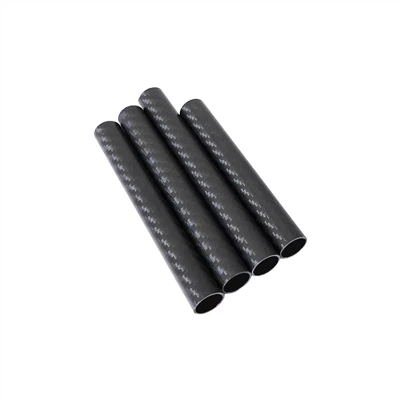
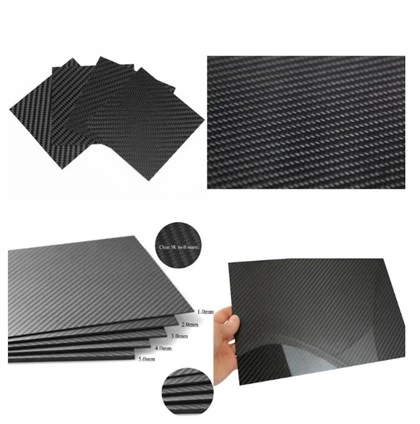
Carbon fiber sheets are an engineering composite material made by embedding carbon fibers in a polymer matrix (usually epoxy resin). Their key properties-high tensile strength, low density, and excellent fatigue resistance-make them an indispensable material in applications where lightweighting and durability are critical. For example, carbon fiber sheets are 70% lighter than steel while maintaining comparable or even higher strength, making them a preferred choice.They are commonly used in the following industries:
Aerospace: Wing structures, fuselage panels, and satellite components.
Automotive: Chassis, body panels, and interiors for high-performance vehicles.
Sports equipment: Bicycle frames, tennis rackets, and golf club shafts.
Medical devices: Prosthetics, orthopedic implants, and imaging device frames.
However, the anisotropy of carbon fiber sheets-their mechanical properties varying with fiber orientation-presents unique challenges during processing. Achieving precise shapes and tolerances requires advanced manufacturing techniques, which is precisely where CNC machining excels.
The role of CNC machining
CNC machining utilizes computer-controlled tools to perform precise cuts, drilling, and engraving based on digital designs. Unlike manual methods, CNC machining ensures batch-to-batch consistency, making it ideal for machining carbon fiber sheets into complex geometries. Whether it's trimming carbon fiber sheets for aircraft wings or drilling holes for prosthetic limbs, CNC machining delivers the precision and efficiency needed to meet stringent industry standards. This article delves into CNC machining of carbon fiber sheets, covering technologies, challenges, solutions, industry applications, equipment selection, and emerging trends. With data sheets and real-world examples, we'll unlock the secrets to manufacturing high-precision composite components.
Carbon fiber board CNC machining core technology
Learn about CNC machining of composite materials
CNC machining involves programmable machines, such as milling machines, routers, lathes, or waterjets, which follow G-code instructions derived from CAD models. For carbon fiber sheets, the process is customized to handle the material's unique properties, including its high hardness and layered structure. The main CNC machining techniques for carbon fiber sheets include:
- Milling: Removing material to create flat surfaces, contours, or cavities.
- Drilling: Creating precise holes for fasteners or components.
- Waterjet cutting: Uses high-pressure water with abrasives for clean, heat-free cutting.
- Engraving: Etching functional or aesthetically pleasing patterns on surfaces.
- Laser-Assisted Machining: Combines laser softening with mechanical cutting for specialized applications.
Each technique requires careful consideration of toolpath, speed, and feed to prevent damage to the carbon fiber sheet. For example, milling a carbon fiber sheet with inappropriate parameters can cause fiber layer separation, thereby compromising structural integrity.
Key CNC Machining Technologies and Their Applications
To illustrate the versatility of CNC machining of carbon fiber sheets, the table below outlines the main processes, applications, and key considerations:
|
Process |
Description |
Application solution |
Key Considerations |
Performance |
|
Polish |
Use a swivel tool to shape carbon fiber sheets into complex geometries. |
Aerospace panels, automotive chassis |
Tool wear, thermal management |
High precision, complex design |
|
Drilling |
Create holes for fasteners or alignment. |
Aircraft fasteners, medical stents |
Minimize layering and align precisely. |
Clean and accurate holes |
|
Waterjet cutting |
Carbon fiber sheets are cut using high-pressure water and abrasives. |
Large panels, complex shapes |
No heat-affected zone |
Smooth edges, no thermal damage |
|
Carving |
Etching patterns or markings to achieve functionality or aesthetics. |
Sports equipment, brands |
low cutting force |
Enhanced aesthetics and functional textures |
|
Laser-assisted |
The resin is softened with a laser before mechanical cutting. |
Thick carbon fiber plate, prototype |
Laser calibration, cost |
Reduce tool wear and perform complex cutting. |
These processes highlight the adaptability of CNC machining in meeting diverse design needs. For example, waterjet cutting is ideal for carbon fiber sheets used in large aerospace panels because it avoids thermal damage; while milling excels at creating 3D contours for automotive parts.
Industry Applications of CNC Machining of Carbon Fiber Sheets
Aerospace: Precision of critical mission components
In the aerospace industry, carbon fiber sheets are crucial for lightweight, high-strength components such as wing skins, fuselage panels, and satellite structures. CNC machining ensures these components meet stringent tolerances of ±0.05 mm, which is essential for aerodynamic performance and safety. For example, Airbus uses CNC milling to machine carbon fiber sheets for its A350 wing panels, resulting in a 25% weight reduction compared to conventional machining. Aluminum sheets, on the other hand, maintain structural integrity.
One noteworthy case is a satellite manufacturer that uses CNC machining to create carbon fiber plate antenna supports. By using a 5-axis CNC milling machine, the manufacturer achieved complex curvatures and a surface finish of Ra 0.8 µm, improving signal accuracy and reducing launch weight.
Automotive: Accelerating Lightweight Design
The automotive industry relies on carbon fiber sheets to manufacture high-performance vehicles such as Formula One cars, supercars, and electric vehicles (EVs). CNC machining can produce lightweight chassis, aerodynamic body panels, and interior trim. For example, the McLaren 1S's Monocage II chassis uses CNC-machined carbon fiber sheets, resulting in a 720% weight reduction and an 18% increase in acceleration.
A German electric vehicle manufacturer recently adopted CNC machining technology to produce carbon fiber battery casings, resulting in a 15% weight reduction and an 8% increase in driving range. The waterjet cutting process avoids thermal damage and ensures the integrity of the casing under high-pressure conditions.
Sports equipment: Enhancing performance and durability
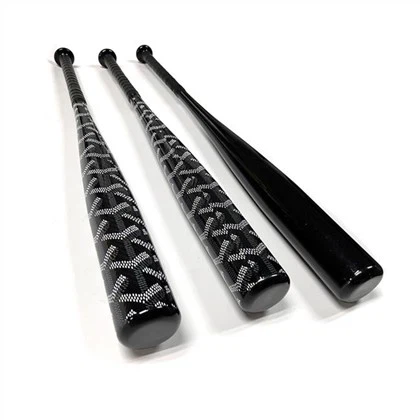
Carbon fiber plates are widely used in sporting equipment, including bicycle frames, tennis rackets, and golf club shafts. CNC machining allows for customized shapes and textures, enhancing both performance and aesthetics. For example, a leading bicycle manufacturer uses CNC machining to mill carbon fiber plates into aerodynamic frame components, reducing drag by 10% and improving riding efficiency.
In another case, a golf club manufacturer used CNC machining to engrave microtextures on carbon fiber club plates to improve grip and swing consistency. This process achieved a dimensional accuracy of ±0.02 mm, ensuring consistent performance across different production batches.
Medical devices: Precisely ensuring patient comfort
In the medical field, carbon fiber sheets are used in prostheses, orthotics, and imaging device frames due to their biocompatibility and radiopaqueness. CNC machining enables the manufacture of custom-made parts with smooth surfaces and precise dimensions. For example, one prosthesis manufacturer used CNC machining to drill holes in carbon fiber sheets and shape them into lightweight prosthetic sockets, reducing patient fatigue by 20% compared to traditional materials.

Choose the right CNC equipment and services
Select CNC equipment
The choice of CNC machining equipment for carbon fiber sheets depends on project requirements:
- 5-Axis CNC Router: Suitable for complex 3D geometries, providing flexibility for aerospace and automotive applications.
- High-Torque Spindle: Handles the toughness of carbon fiber sheets, reducing vibration and improving surface finish.
- Waterjet System: Suitable for heat-sensitive applications, ensuring clean cuts without thermal damage.
- Hybrid Machine: Combines milling and laser-assisted cutting to accomplish specialized tasks.
Evaluation of CNC service providers
Outsourcing the CNC machining of carbon fiber sheets requires collaborating with experienced suppliers. Key evaluation criteria include:
- Composites Expertise: Find suppliers with a proven track record in carbon fiber sheet processing.
- Advanced Equipment: Ensure availability of five-axis machines, waterjet systems, and dust removal systems.
- Scalability: Select suppliers capable of handling both prototyping and high-volume production.
- Quality Assurance: Verify aerospace-grade standard certifications such as ISO 9001 or AS9100.

Conclusion
CNC machining is the cornerstone of transforming carbon fiber sheets into high-precision components, driving innovation across industries. By mastering techniques such as milling, drilling, and waterjet cutting, and addressing challenges like delamination and dust, manufacturers can fully realize the potential of carbon fiber sheets. From aerospace wing panels to lightweight automotive chassis and custom prosthetics, CNC-machined carbon fiber sheets are reshaping the future of engineering.
Contact us
If you'd like to enhance your project using CNC-machined carbon fiber sheets, we can manufacture them for you. With 20 years of experience in the carbon fiber products industry and 6 CNC machines, we can provide one-stop service. Please contact us via email at sales18@julitech.cn or WhatsApp +86 18822947075.