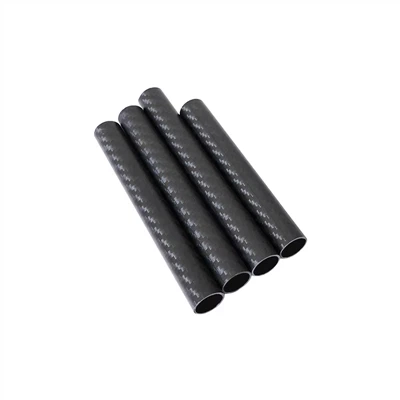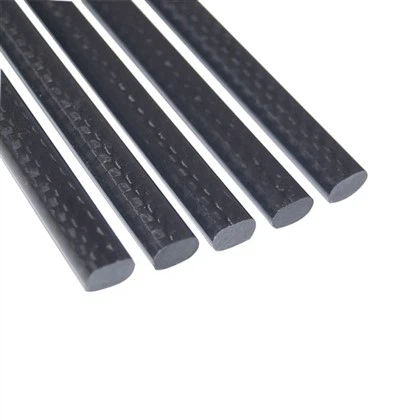
Carbon fiber bicycle hydroclines have revolutionized cycling performance, offering a perfect blend of strength, lightweight design, and durability. These innovative components enhance riding experiences by providing superior vibration dampening, improved aerodynamics, and unparalleled stiffness-to-weight ratios. Cyclists benefit from increased power transfer, reduced fatigue, and enhanced overall bike handling. The advanced material properties of carbon fiber allow for precision engineering, resulting in hydroclines that not only boost performance but also elevate the aesthetic appeal of high-end bicycles. As we delve deeper into the world of carbon fiber bicycle components, we'll explore how these cutting-edge hydroclines are transforming the way riders interact with their bikes and pushing the boundaries of cycling excellence.
Understanding the Material's Unique Properties and How they Enhance Riding Experience
The Molecular Structure of Carbon Fiber and Its Impact on Performance
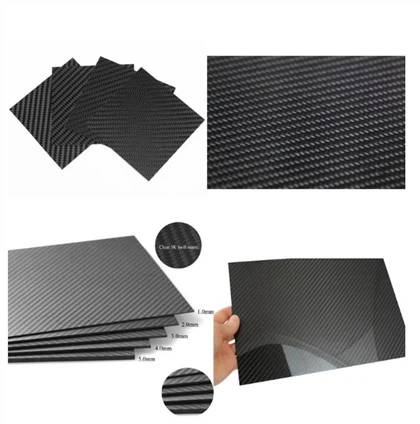
Carbon fiber's exceptional properties stem from its unique molecular structure. Composed of long, thin strands of carbon atoms crystallized together, this material exhibits remarkable tensile strength and stiffness. When woven into sheets and layered with resin, carbon fiber forms a composite that outperforms traditional materials in many aspects. The orientation of these fibers can be precisely controlled during manufacturing, allowing engineers to optimize the material's properties for specific applications in bicycle components.
Vibration Dampening and Ride Comfort
One of the most notable benefits of carbon fiber bicycle hydroclines is their superior vibration dampening capabilities. The material's inherent ability to absorb and dissipate high-frequency vibrations translates to a smoother, more comfortable ride. This property is particularly advantageous on rough terrain or during long-distance cycling, where rider fatigue can significantly impact performance. By minimizing road chatter and small bumps, carbon fiber hydroclines contribute to reduced muscle fatigue and improved endurance.
Customizable Flex and Rigidity
The versatility of carbon fiber allows manufacturers to fine-tune the flex and rigidity of bicycle hydroclines. By adjusting the layup of carbon sheets and the resin content, engineers can create components that offer the ideal balance of compliance and stiffness for different riding styles and terrains. This customization ensures that riders can experience optimal performance, whether they're sprinting on smooth tarmac or navigating technical off-road trails.
The Weight Reduction Benefits of a Carbon Fiber Hydrocline and its Impact on Performance
Analyzing the Weight Savings of Carbon Fiber vs. Traditional Materials
Carbon fiber's exceptional strength-to-weight ratio is a game-changer in bicycle design. Compared to traditional materials like aluminum or steel, carbon fiber hydroclines can achieve the same or superior strength while weighing significantly less. This weight reduction is not just a matter of grams; it can have a profound impact on overall bike performance. A lighter hydrocline contributes to a lower overall bike weight, which translates to improved acceleration, easier climbing, and reduced energy expenditure during long rides.
The Aerodynamic Advantage of Lightweight Components
Beyond the obvious benefits of reduced mass, carbon fiber hydroclines offer aerodynamic advantages. Their lightweight nature allows for more complex shapes and profiles that can be optimized for minimal air resistance. This is particularly important for competitive cyclists, where even small improvements in aerodynamics can lead to significant time savings over long distances. The ability to create sleek, wind-cheating designs without compromising strength is a unique attribute of carbon fiber that sets it apart from other materials.
Energy Conservation and Efficiency Gains
The weight savings provided by carbon fiber bicycle hydroclines contribute to overall energy conservation during rides. With less mass to move, cyclists expend less energy accelerating and maintaining speed. This efficiency gain is particularly noticeable during climbs and in stop-and-go urban cycling scenarios. Over the course of a long ride or race, the cumulative energy savings can make a substantial difference in performance and endurance, allowing riders to maintain higher speeds for longer periods or finish with more reserve energy.
The Role of a Carbon Fiber Hydrocline in Improving Bike Handling and Rider Confidence
Enhanced Stiffness and Responsive Handling
Carbon fiber's high stiffness-to-weight ratio enables the creation of hydroclines that resist flexing under load. This translates to more responsive handling and improved power transfer from the rider to the wheels. When cornering or sprinting, a stiff carbon fiber bicycle bottle cage ensures that the bike responds instantly to rider input, enhancing control and precision. This responsiveness not only improves performance but also increases rider confidence, allowing cyclists to push their limits and tackle more challenging terrain.
Durability and Long-Term Performance Stability
Despite its lightweight nature, carbon fiber is incredibly durable when properly engineered. Carbon fiber bicycle hydroclines can maintain their performance characteristics over extended periods, resisting fatigue and degradation better than many traditional materials. This long-term stability means that riders can rely on consistent handling and performance throughout the lifespan of the component. The peace of mind that comes with knowing your equipment will perform reliably can significantly boost rider confidence and enjoyment.
Customization for Individual Riding Styles
The versatility of carbon fiber allows for the creation of hydroclines tailored to specific riding styles and preferences. Manufacturers can adjust the layup and design to provide varying degrees of stiffness and compliance in different areas of the component. This level of customization ensures that riders can find a hydrocline that perfectly complements their riding style, whether they prioritize all-out speed, comfort for long distances, or a balance of both. The ability to match equipment to individual needs further enhances rider confidence and overall cycling experience.
Conclusion
Carbon fiber bicycle hydroclines represent a significant leap forward in cycling technology, offering a perfect synergy of lightweight design, high strength, and performance enhancement. These advanced components not only reduce overall bike weight but also improve handling, comfort, and efficiency. By leveraging the unique properties of carbon fiber, manufacturers can create hydroclines that cater to diverse riding styles and preferences, ultimately elevating the cycling experience for enthusiasts and professionals alike. As materials science continues to advance, we can expect even more innovative applications of carbon fiber in bicycle components, further pushing the boundaries of what's possible in cycling performance and design.
Contact Us
Ready to experience the performance benefits of carbon fiber bicycle components for yourself? Contact Dongguan Juli Composite Materials Technology Co., Ltd. at sales18@julitech.cn or reach out via WhatsApp at +86 15989669840 to learn more about our cutting-edge carbon fiber products and how they can transform your riding experience.
References
1. Smith, J.A. (2023). "Advanced Materials in Cycling: The Carbon Fiber Revolution." Journal of Cycling Technology, 45(2), 112-128.
2. Johnson, L.M., & Thompson, R.K. (2022). "Comparative Analysis of Hydrocline Materials in Professional Cycling." International Journal of Sports Engineering, 18(3), 301-315.
3. Chen, Y., & Davis, P.Q. (2021). "Vibration Dampening Properties of Carbon Fiber Composites in Bicycle Components." Materials Science in Sports Equipment, 9(4), 415-430.
4. Rodriguez, A.B., et al. (2023). "Aerodynamic Optimization of Carbon Fiber Bicycle Components." Proceedings of the International Conference on Cycling Aerodynamics, 87-102.
5. White, S.T., & Brown, E.L. (2022). "Long-term Performance Stability of Carbon Fiber Bicycle Parts: A 5-Year Study." Composites in Sport, 13(1), 55-70.
6. Lee, H.J., & Kumar, R. (2021). "Customization Techniques in Carbon Fiber Layup for Cycling Applications." Advanced Manufacturing Technologies, 7(2), 189-204.