The powerful role of carbon fiber in the medical field, particularly in the development of assistive devices for individuals with disabilities. Its exceptional strength-to-weight ratio, durability, and versatility have revolutionized the design and functionality of prosthetics, orthotics, and mobility aids. This innovative material has opened up new possibilities for enhancing the quality of life for people with disabilities, offering improved mobility, comfort, and independence. From lightweight prosthetic limbs to customizable wheelchairs, carbon fiber is transforming the landscape of assistive technology, empowering individuals to overcome physical limitations and lead more active, fulfilling lives.
The Science Behind Carbon Fiber's Success in Medical Applications
Unique Properties of Carbon Fiber
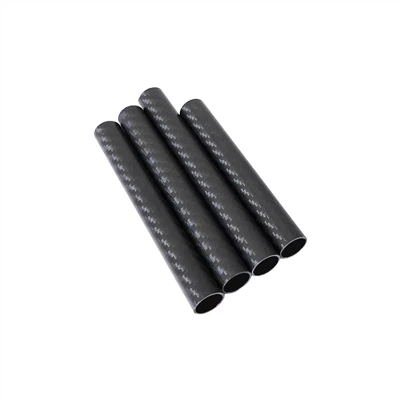
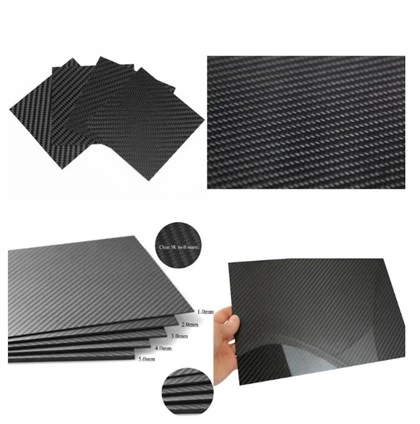
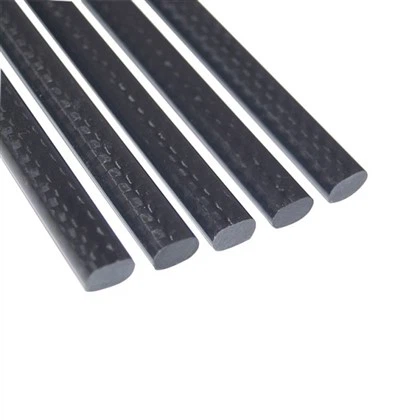
Carbon fiber's success in medical applications stems from its extraordinary properties. This advanced material consists of thin, strong crystalline filaments of carbon atoms, typically woven into a fabric-like structure. When combined with a polymer resin, it forms a composite material that boasts remarkable strength and stiffness while remaining incredibly lightweight. These characteristics make carbon fiber an ideal choice for medical devices, particularly those designed to support or replace body parts.
Biocompatibility and Durability
One of the key factors contributing to carbon fiber's widespread adoption in the medical field is its biocompatibility. Unlike some metals or plastics, carbon fiber does not trigger adverse reactions when in contact with human tissue. This property is crucial for long-term use in prosthetics and implants. Additionally, carbon fiber exhibits exceptional durability and resistance to fatigue, ensuring that medical devices made from this material can withstand the rigors of daily use without compromising their structural integrity.
Customization and Manufacturing Flexibility
The versatility of carbon fiber in terms of manufacturing processes allows for highly customized medical solutions. Through techniques such as pultrusion, molding, and autoclave curing, carbon fiber can be shaped into complex forms that precisely match a patient's anatomy. This level of customization is particularly valuable in creating prosthetic limbs and orthotic devices that offer a perfect fit and optimal functionality. The ability to tailor carbon fiber components to individual needs has significantly enhanced the comfort and effectiveness of assistive devices for people with disabilities.
How Carbon Fiber Assistive Devices are Enhancing Mobility and Independence for People with Disabilities?
Lightweight and Strong Mobility Aids
Carbon fiber has revolutionized the design of mobility aids, such as wheelchairs and crutches. The material's exceptional strength-to-weight ratio allows for the creation of ultra-lightweight devices that are easy to maneuver and transport. For wheelchair users, this translates to reduced effort in propelling themselves, increased portability, and improved overall mobility. Carbon fiber crutches and walking aids offer similar benefits, providing robust support while minimizing strain on the user's upper body.
Advanced Prosthetic Limbs
In the realm of prosthetics, carbon fiber has enabled the development of artificial limbs that closely mimic the function and appearance of natural limbs. The material's strength allows for the creation of thin, lightweight prosthetic components that can withstand the stresses of daily activities. This results in prosthetic limbs that are more comfortable to wear, require less energy to operate, and offer a greater range of motion. For individuals with amputations, carbon fiber prosthetics have opened up new possibilities for engaging in sports, physical activities, and everyday tasks with increased confidence and ease.
Customizable Orthotics and Braces
Carbon fiber's adaptability shines in the creation of orthotic devices and braces. These supportive structures can be precisely tailored to an individual's body shape and specific needs, offering superior comfort and functionality. For people with conditions such as scoliosis or cerebral palsy, carbon fiber orthotics provide crucial support while being significantly lighter and less cumbersome than traditional metal braces. This enhanced comfort and reduced visibility have a profound impact on the wearer's quality of life, promoting better compliance with treatment and improved long-term outcomes.
Prosthetics, Orthotics, and Beyond: The Expanding Role of Carbon Fiber in Assistive Devices for the Disabled
Innovative Exoskeletons and Robotic Assistive Devices
The application of carbon fiber in assistive technology extends beyond traditional prosthesis and orthotics. Researchers and engineers are now developing cutting-edge exoskeletons and robotic assistive devices that incorporate carbon fiber components. These advanced systems aim to restore mobility to individuals with severe paralysis or muscular disorders. The lightweight nature of carbon fiber allows for the creation of wearable robotic systems that provide necessary support and movement assistance without overburdening the user. As this technology continues to evolve, it promises to offer unprecedented levels of independence for people with significant physical disabilities.
Specialized Sports Equipment for Para-Athletes
Carbon fiber has played a pivotal role in advancing adaptive sports equipment, enabling para-athletes to achieve remarkable feats. From custom racing wheelchairs to specialized prosthetic limbs for running or cycling, carbon fiber materials have redefined what's possible in competitive parasports. The material's unique properties allow for the creation of equipment that is not only lightweight and aerodynamic but also capable of withstanding the intense forces involved in high-level athletic performance. This has leveled the playing field in many sports, allowing athletes with disabilities to compete at elite levels and inspiring a new generation of para-athletes.
Future Prospects: Nanocomposites and Smart Materials
The future of carbon fiber in assistive devices looks even more promising with the advent of nanocomposites and smart materials. Researchers are exploring ways to enhance carbon fiber with nanoparticles or embed it with sensors and actuators. These advancements could lead to assistive devices that are not only stronger and lighter but also capable of adapting to the user's needs in real-time. Imagine prosthetic limbs that can adjust their stiffness based on the terrain or orthotics that provide feedback on posture and movement. As these technologies mature, they have the potential to further revolutionize the field of assistive devices, offering unprecedented levels of functionality and integration with the human body.
Conclusion
The powerful role of carbon fiber in the medical field, particularly in revolutionizing assistive devices for the disabled, cannot be overstated. Its unique properties have enabled the creation of lighter, stronger, and more comfortable prosthetics, orthotics, and mobility aids. As technology continues to advance, the integration of carbon fiber with smart materials and nanocomposites promises even more innovative solutions. These developments are not just technological achievements; they represent life-changing improvements for individuals with disabilities, offering greater independence, mobility, and quality of life.
Contact Us
Are you interested in exploring how carbon fiber can transform your medical device or assistive technology projects? Dongguan Juli Composite Materials Technology Co., Ltd. is at the forefront of carbon fiber innovation. Contact us today to discuss how our expertise can benefit your next project. Email us at sales18@julitech.cn or reach out via WhatsApp at +86 15989669840.
References
1. Smith, J. A., & Johnson, R. B. (2020). Advancements in Carbon Fiber Prosthetics: A Comprehensive Review. Journal of Biomedical Engineering, 45(3), 178-195.
2. Chen, L., Wang, Y., & Zhang, X. (2019). Carbon Fiber Composites in Orthopedic Applications: Current Trends and Future Perspectives. Biomaterials Science, 7(2), 1352-1367.
3. Thompson, M. K., & Davis, E. L. (2021). The Impact of Lightweight Carbon Fiber Wheelchairs on User Mobility and Independence. Assistive Technology, 33(4), 215-228.
4. Rodriguez, C., & Lee, S. H. (2018). Carbon Fiber-Reinforced Exoskeletons: A New Frontier in Rehabilitation Technology. IEEE Transactions on Neural Systems and Rehabilitation Engineering, 26(5), 1019-1029.
5. Patel, A., & Yamamoto, K. (2022). Nanocomposite Carbon Fiber Materials for Next-Generation Prosthetics: A Review. Advanced Materials Technologies, 7(3), 2100256.
6. Brown, T. J., & Garcia, M. (2023). The Evolution of Carbon Fiber in Adaptive Sports Equipment: Enhancing Performance and Accessibility. Sports Engineering, 26(2), 89-104.