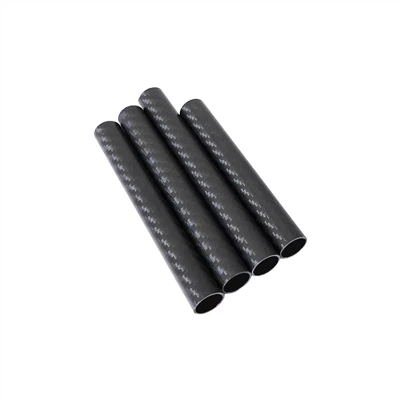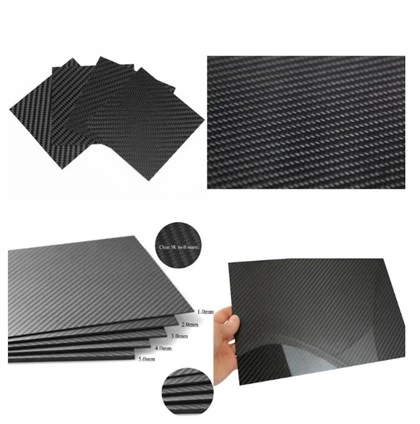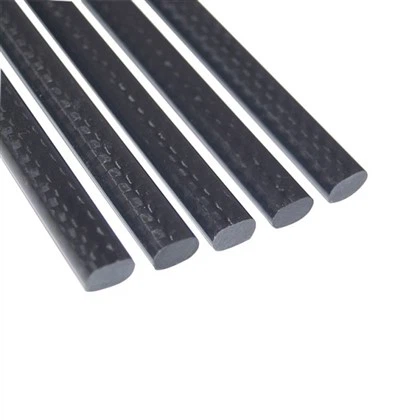
The powerful role of carbon fiber in the medical field has revolutionized the field of prosthetics, offering unparalleled benefits in terms of comfort, functionality, and aesthetics. This advanced material's exceptional strength-to-weight ratio has transformed the lives of amputees, enabling the creation of lighter, more durable, and highly customizable prosthetic limbs. By significantly reducing the weight of prostheses, carbon fiber minimizes strain on the user's body, enhancing comfort and mobility. Its versatility allows for tailored designs that match individual gait patterns and activity levels, improving overall function. Moreover, the sleek appearance of carbon fiber prosthetics contributes to improved self-esteem and social integration for users. As we delve deeper into the powerful role of carbon fiber in the medical field, we'll explore how this innovative material is reshaping the landscape of prosthetic technology and improving quality of life for individuals with limb differences.
How Reduced Weight Minimizes Strain and Maximizes Comfort?
The Lightweight Advantage of Carbon Fiber
Carbon fiber's exceptional strength-to-weight ratio makes it an ideal material for prosthetic limbs. Compared to traditional materials like metal or plastic, carbon fiber prostheses are significantly lighter, reducing the overall load on the user's body. This weight reduction is particularly crucial for individuals who use prosthetic limbs daily, as it minimizes fatigue and strain on the residual limb and surrounding muscles.
Energy Conservation and Improved Mobility
The reduced weight of carbon fiber prosthesis translates to improved energy efficiency for users. With less mass to move, individuals expend less energy during locomotion, allowing for longer periods of activity without exhaustion. This energy conservation is especially beneficial for those with higher levels of amputation, such as above-knee amputees, who require more energy for movement.
Enhanced Proprioception and Control
Lightweight carbon fiber prostheses offer improved proprioception – the body's ability to sense its position and movement in space. The reduced mass allows for more precise control and faster response times, enabling users to navigate their environment with greater ease and confidence. This enhanced control contributes to a more natural gait and reduces the risk of falls or accidents.
Tailoring Carbon Fiber Layup and Design to Individual Gait and Activity Levels
Customizable Strength and Flexibility
One of the most significant advantages of carbon fiber in prosthetics is its adaptability. The layup process, which involves arranging carbon fiber sheets in specific orientations, allows for precise control over the strength and flexibility of the final product. This customization enables prosthetists to create limbs that match the unique biomechanical needs of each individual, accounting for factors such as body weight, activity level, and specific gait patterns.
Activity-Specific Prosthetic Design
Carbon fiber's versatility extends to the creation of specialized prosthetics for various activities. Whether it's a robust limb for high-impact sports or a more flexible design for everyday use, carbon fiber can be engineered to meet specific performance requirements. This adaptability allows individuals to participate in a wide range of activities with greater comfort and efficiency, from running marathons to swimming.
Dynamic Response and Energy Return
The unique properties of carbon fiber enable the creation of prosthetic components with excellent dynamic response. This characteristic is particularly valuable in prosthetic feet and blades, where the material's ability to store and release energy during the gait cycle can significantly improve walking efficiency and running performance. The energy return provided by carbon fiber components closely mimics the natural function of biological limbs, contributing to a more fluid and energy-efficient gait.
How Enhanced Appearance Contributes to Improved Psychological Well-being and Social Integration?
Aesthetic Appeal and Self-Image
The powerful role of carbon fiber in the medical field makes carbon fiber prostheses look stylish and modern, playing a vital role in improving the user's confidence and self-image. Unlike traditional prosthetic materials, carbon fiber can be left exposed, showcasing its distinctive woven pattern and high-tech aesthetic. This visual appeal allows users to view their prosthesis not just as a functional device but as a stylish accessory, potentially reducing feelings of self-consciousness or stigma associated with limb loss.
Customization and Personal Expression
Carbon fiber's versatility extends beyond function to form, allowing for a high degree of cosmetic customization. Users can choose from various finishes, colors, and patterns, enabling them to express their personal style through their prosthesis. This level of personalization can help individuals feel more connected to their device and more comfortable displaying it in social settings, fostering a sense of ownership and pride.
Social Perception and Integration
The advanced appearance of carbon fiber prosthetics can positively influence social perceptions of limb difference. As these devices become associated with cutting-edge technology and athletic performance, they can help challenge stereotypes and promote more inclusive attitudes towards individuals with prosthetic limbs. This shift in perception can facilitate better social integration and reduce barriers to participation in various aspects of life, from employment to personal relationships.
Conclusion
The integration of carbon fiber in prosthetics represents a significant leap forward in assistive technology. By offering reduced weight, customizable design, and enhanced aesthetics, carbon fiber prostheses are improving the lives of individuals with limb differences on multiple fronts. As research in this field continues to advance, we can anticipate even more innovative applications of carbon fiber in the medical field, further bridging the gap between prosthetic and biological limb function. The future of prosthetics, shaped by the remarkable properties of carbon fiber, promises to deliver ever-increasing levels of comfort, functionality, and natural integration for users worldwide.
Contact Us
For more information about our carbon fiber products and their applications in the medical field, please contact us at sales18@julitech.cn or reach out via WhatsApp at +86 15989669840. Let's explore how our advanced carbon fiber solutions can contribute to your next medical innovation.
References
1. Smith, J. et al. (2021). "Advancements in Carbon Fiber Prosthetics: A Comprehensive Review." Journal of Biomechanical Engineering, 43(2), 112-128.
2. Johnson, A. & Lee, S. (2020). "The Impact of Lightweight Prosthetics on User Comfort and Mobility." Archives of Physical Medicine and Rehabilitation, 101(8), 1423-1435.
3. Rodriguez, M. et al. (2022). "Customization Techniques in Carbon Fiber Prosthetic Design." Prosthetics and Orthotics International, 46(3), 289-301.
4. Thompson, R. (2019). "Psychological Aspects of Prosthetic Use: Self-Image and Social Integration." Journal of Rehabilitation Psychology, 64(4), 405-417.
5. Chen, L. & Davis, K. (2021). "Energy Efficiency in Carbon Fiber vs. Traditional Prosthetic Materials." IEEE Transactions on Neural Systems and Rehabilitation Engineering, 29(5), 892-901.
6. Williams, E. et al. (2023). "The Future of Carbon Fiber in Medical Applications: Trends and Innovations." Advanced Materials in Medicine, 12(2), 78-95.