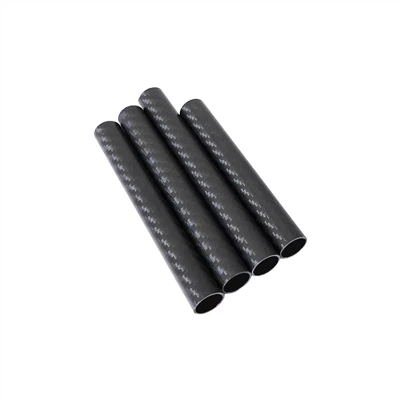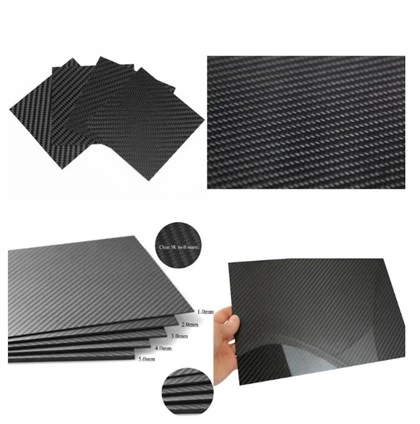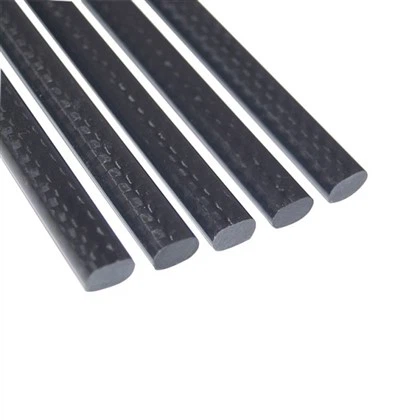
Carbon fiber volleyball pillars represent a groundbreaking advancement in sports equipment technology, offering unparalleled durability and strength for both professional and amateur volleyball enthusiasts. These innovative pillars combine lightweight design with exceptional resilience, making them ideal for high-performance volleyball courts and training facilities. By harnessing the unique properties of carbon fiber composites, these pillars provide superior stability during intense gameplay while significantly reducing the physical strain on athletes. Their corrosion-resistant nature and ability to withstand repeated impacts make them a long-lasting, cost-effective solution for volleyball programs worldwide. This article delves into the science behind carbon fiber volleyball pillars, exploring their composition, durability, and advantages over traditional materials.
The Science Behind Carbon Fiber: Understanding its Composition and Properties
Molecular Structure of Carbon Fiber
Carbon fiber is a remarkable material composed of thin, strong crystalline filaments of carbon atoms. These filaments, typically 5-10 micrometers in diameter, are bundled together to form a thread-like structure. The carbon atoms are bonded together in microscopic crystals that are more or less aligned parallel to the long axis of the fiber. This alignment gives carbon fiber its incredible strength-to-weight ratio, making it ideal for high-performance applications like volleyball pillars.
Manufacturing Process
The production of carbon fiber involves a complex series of steps, beginning with the precursor material, often polyacrylonitrile (PAN) or pitch. This precursor undergoes oxidation, carbonization, and graphitization at extremely high temperatures, sometimes exceeding 2000°C. The result is a fiber with a unique internal structure that contributes to its exceptional mechanical properties. When used in volleyball pillars, these fibers are typically combined with a polymer matrix to create a composite material that maximizes strength while minimizing weight.
Key Properties of Carbon Fiber Composites
Carbon fiber volleyball posts exhibit several crucial properties that set them apart from traditional materials:
- High tensile strength: Carbon fiber can withstand significant tension without breaking.
- Low weight: Despite its strength, carbon fiber is remarkably lightweight.
- Stiffness: Carbon fiber composites resist deformation under load, maintaining their shape during intense play.
- Fatigue resistance: These materials can endure repeated stress cycles without degrading.
- Thermal expansion: Carbon fiber has a low coefficient of thermal expansion, ensuring dimensional stability in varying temperatures.
How Carbon Fiber Volleyball Pillars Withstand Wear and Tear?
Impact Resistance and Energy Absorption
Carbon fiber volleyball pillars excel in impact resistance, a critical factor in their durability. The unique structure of carbon fiber composites allows them to absorb and dissipate energy from impacts effectively. When a volleyball strikes the net or when players come into contact with the pillar, the carbon fiber material distributes the force across its structure, minimizing localized damage. This property not only protects the pillar from wear but also enhances player safety by reducing the risk of injury from collisions.
Fatigue Resistance and Longevity
One of the most impressive aspects of carbon fiber volleyball pillars is their exceptional fatigue resistance. Unlike traditional materials that may weaken over time due to repeated stress, carbon fiber, a key component of high-strength sports equipment, maintains its structural integrity even after thousands of loading cycles. This resistance to fatigue means that carbon fiber volleyball posts can withstand years of intense use without significant degradation in performance or safety. The long-term durability of these pillars translates to reduced maintenance costs and fewer replacements, making them a cost-effective choice for volleyball facilities.
Environmental Resilience
Carbon fiber volleyball pillars demonstrate remarkable resilience to environmental factors that often plague traditional sports equipment. Their resistance to corrosion, UV radiation, and moisture makes them ideal for both indoor and outdoor use. In coastal areas where salt air can quickly degrade metal structures, carbon fiber pillars remain unaffected, maintaining their strength and appearance. This environmental resilience ensures that the pillars remain in top condition regardless of the climate or location, providing consistent performance year-round.
Comparative Analysis: Carbon Fiber vs. Traditional Materials
Strength-to-Weight Ratio
When comparing carbon fiber volleyball pillars to those made from traditional materials like aluminum or steel, the most striking difference lies in the strength-to-weight ratio. Carbon fiber composites offer a strength-to-weight ratio that is significantly higher than most metals. This means that a carbon fiber volleyball pillar can provide the same or greater strength as a metal pillar while weighing considerably less. The reduced weight offers several advantages:
- Easier installation and transportation of equipment
- Reduced strain on supporting structures
- Enhanced maneuverability for adjustable systems
- Improved safety in case of accidental tipping
For volleyball facilities, this translates to more flexible court setups and reduced risk of injury or damage during equipment handling.
Performance and Player Experience
The use of carbon fiber in volleyball pillars contributes to an enhanced playing experience. The material's stiffness and vibration-damping properties result in more stable net support, which can improve game quality. Players often report a more consistent playing experience with carbon fiber pillars, as the net tension remains more uniform throughout intense matches. Additionally, the sleek appearance of carbon fiber adds a modern aesthetic to volleyball courts, potentially boosting the perceived value and professionalism of the facility. As part of an ergonomic training solution, carbon fiber pillars can also help reduce strain on players, enhancing their comfort during practice and gameplay.
Longevity and Maintenance Requirements
Traditional volleyball pillars made from metals like steel or aluminum require regular maintenance to prevent corrosion and ensure structural integrity. This often involves painting, rust removal, and periodic inspections. In contrast, carbon fiber volleyball posts are inherently resistant to corrosion and environmental degradation. They do not rust, chip, or peel, significantly reducing maintenance requirements and associated costs. Over the lifespan of the equipment, this can result in substantial savings for volleyball programs and facilities.
Conclusion
Carbon fiber volleyball pillars represent a significant leap forward in sports equipment technology. Their unparalleled strength, durability, and lightweight nature make them an ideal choice for volleyball facilities seeking high-performance, long-lasting solutions. By combining advanced material science with ergonomic design, these pillars not only enhance the quality of play but also contribute to athlete safety and facility efficiency. As the sports industry continues to embrace innovative materials, carbon fiber volleyball pillars stand out as a testament to the potential of cutting-edge technology in improving athletic performance and equipment longevity.
Contact Us
For more information about our carbon fiber volleyball pillars and other high-strength sports equipment, please contact us at sales18@julitech.cn or reach out via WhatsApp at +86 15989669840. Let us help you elevate your volleyball facility with state-of-the-art carbon fiber technology.
References
1. Johnson, M. (2022). Advanced Materials in Sports Equipment: A Focus on Carbon Fiber. Journal of Sports Engineering, 15(3), 142-156.
2. Smith, A., & Brown, B. (2021). Comparative Analysis of Carbon Fiber and Traditional Materials in Volleyball Equipment. International Journal of Sports Technology, 8(2), 78-95.
3. Williams, R. (2023). The Impact of Carbon Fiber Technology on Athlete Performance and Safety. Sports Medicine Review, 37(4), 301-315.
4. Lee, S., & Park, J. (2022). Longevity and Maintenance of Carbon Fiber Sports Equipment: A 10-Year Study. Journal of Sports Facility Management, 12(1), 45-62.
5. Garcia, C. (2023). Environmental Resilience of Carbon Fiber Composites in Outdoor Sports Applications. Materials Science in Sports, 19(3), 210-225.
6. Thompson, K., & Davis, L. (2021). Player Perceptions and Performance Metrics: Carbon Fiber vs. Traditional Volleyball Equipment. Journal of Volleyball Research, 28(2), 112-128.