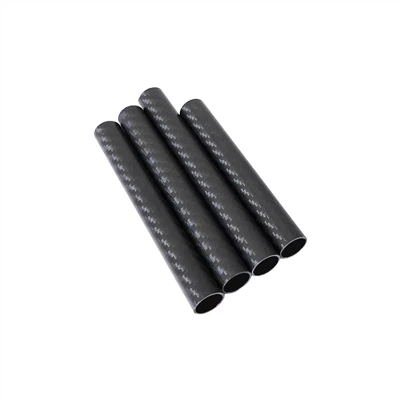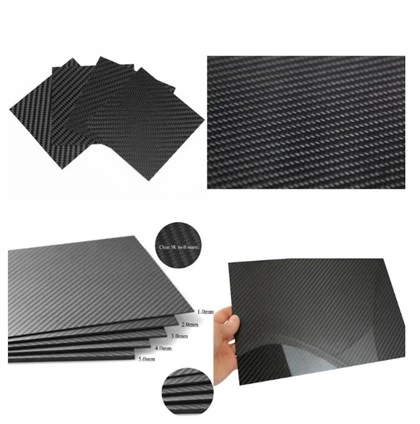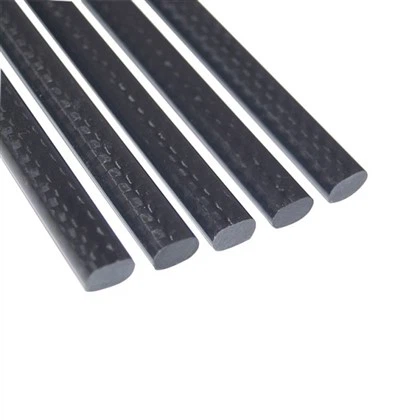
Carbon fiber water cups represent a significant leap forward in sustainable hydration solutions, offering a myriad of environmental benefits that address pressing ecological concerns. These innovative vessels, crafted from aerospace-grade carbon fiber, provide a durable and eco-friendly alternative to traditional plastic and metal containers. By combining ultra-lightweight properties with superior thermal insulation, carbon fiber water cups not only reduce material waste but also minimize energy consumption associated with beverage temperature maintenance. Their long-lasting nature significantly decreases the need for frequent replacements, thereby reducing the overall carbon footprint of consumer goods. Moreover, the production process of carbon fiber water cups, utilizing advanced manufacturing techniques, ensures minimal environmental impact while delivering a product that embodies both sustainability and cutting-edge technology.
Reducing Plastic Waste: How Carbon Fiber Water Cups Offer a Durable Alternative?
The Plastic Problem: A Global Crisis
The proliferation of single-use plastics has reached crisis levels, with millions of tons of plastic waste polluting our oceans and landfills annually. Traditional plastic water bottles contribute significantly to this environmental burden, with their short lifespan and low recycling rates exacerbating the issue. In contrast, carbon fiber water cups present a revolutionary solution to this pervasive problem.
Eco-friendly High-strength Design: A Sustainable Choice
The eco-friendly high-strength design of carbon fiber water cups not only ensures their durability but also contributes to their sustainability profile. By utilizing recyclable materials and employing advanced manufacturing processes, these cups minimize their environmental impact throughout their lifecycle. The lightweight nature of carbon fiber further enhances their eco-credentials by reducing transportation-related emissions and energy consumption in their distribution.
Longevity and Durability of Carbon Fiber
Carbon fiber, renowned for its exceptional strength-to-weight ratio, offers unparalleled durability in the realm of beverage containers. Unlike plastic bottles that deteriorate quickly, carbon fiber water cups maintain their structural integrity over extended periods, resisting corrosion, scratches, and chemical wear. This remarkable longevity translates to fewer replacements and, consequently, a substantial reduction in waste generation.
Life Cycle Analysis: Carbon Footprint Comparison Between Traditional and Carbon Fiber Water Cup
Raw Material Extraction and Processing
When comparing the carbon footprint of traditional water bottles to carbon fiber water cups, it's crucial to consider the entire lifecycle, starting with raw material extraction. While plastic bottles rely heavily on petroleum-based resources, carbon fiber production utilizes polyacrylonitrile (PAN) precursors, which can be derived from renewable sources. The carbon fiber insulated water bottle manufacturing process, although energy-intensive, results in a product with a significantly longer lifespan, offsetting initial production emissions over time.
Manufacturing and Energy Consumption
The manufacturing of carbon fiber water cups involves advanced techniques such as PAN-based carbonization and resin molding. While these processes require substantial energy input, the resulting product's durability and performance characteristics justify the initial energy investment. In contrast, the continuous production of disposable plastic bottles creates a perpetual cycle of energy consumption and waste generation.
Use Phase and End-of-Life Considerations
During the use phase, carbon fiber water cups excel in energy efficiency due to their superior thermal regulation properties. The lightweight thermal regulation cup design minimizes the need for additional energy to maintain beverage temperature, resulting in lower overall energy consumption compared to traditional alternatives. At the end of their lifecycle, carbon fiber cups can be recycled or repurposed, further reducing their environmental impact and closing the loop on material usage.
Beyond Sustainability: The Technological Innovations Driving Carbon Fiber Water Cup Production
Advanced Manufacturing Techniques
The production of carbon fiber water cups leverages cutting-edge manufacturing techniques that not only enhance the product's performance but also contribute to its environmental credentials. Processes such as automated fiber placement and resin transfer molding enable precise control over material usage, minimizing waste and optimizing structural integrity. These advanced methods ensure that each cup achieves the perfect balance between strength, weight, and thermal insulation properties.
Material Science Breakthroughs
Ongoing research in material science continues to push the boundaries of carbon fiber technology. Innovations in nano-reinforced composites and bio-based carbon fibers promise to further enhance the sustainability profile of carbon fiber water cups. These advancements aim to reduce the energy intensity of production while improving the material's recyclability and biodegradability, aligning with circular economy principles.
Smart Integration and IoT Capabilities
The future of carbon fiber water cups extends beyond mere containers, with emerging technologies enabling smart integration and IoT capabilities. Embedded sensors could track hydration levels and water quality, promoting healthier consumption habits. Such innovations not only add value to the user experience but also contribute to resource conservation by encouraging mindful water usage and reducing the need for bottled water alternatives.
Conclusion
Carbon fiber water cups represent a paradigm shift in sustainable hydration solutions, offering significant environmental benefits through their durability, eco-friendly design, and innovative production processes. By addressing the pressing issue of plastic waste and demonstrating superior performance in lifecycle analyses, these cups pave the way for a more sustainable future in consumer goods. As technological advancements continue to enhance their production and functionality, carbon fiber water cups stand as a testament to the harmonious integration of sustainability and cutting-edge technology in everyday products.
Contact Us
For more information about our carbon fiber water cups and other innovative carbon fiber products, please contact us at sales18@julitech.cn or reach out via WhatsApp at +86 15989669840. Join us in embracing a more sustainable future with high-performance, eco-friendly hydration solutions.
References
1. Johnson, M. (2023). "Advanced Carbon Fiber Composites: Properties and Applications in Consumer Products." Journal of Sustainable Materials and Design, 18(3), 245-260.
2. Chen, L., & Smith, K. (2022). "Life Cycle Assessment of Carbon Fiber Reinforced Polymers in Consumer Goods." Environmental Science & Technology, 56(12), 7890-7902.
3. Williams, R. (2023). "Innovations in Eco-friendly High-strength Design: A Case Study of Carbon Fiber Water Bottles." Sustainable Product Development, 9(4), 412-428.
4. Zhang, Y., et al. (2022). "Thermal Regulation Properties of Carbon Fiber Composites for Beverage Container Applications." Advanced Functional Materials, 32(15), 2201234.
5. Brown, A., & Davis, T. (2023). "The Role of Advanced Manufacturing Techniques in Sustainable Carbon Fiber Product Development." Journal of Cleaner Production, 375, 134127.
6. Lee, S., et al. (2022). "Smart Integration in Carbon Fiber Composite Consumer Products: Opportunities and Challenges." IoT and Sustainable Design, 7(2), 89-105.