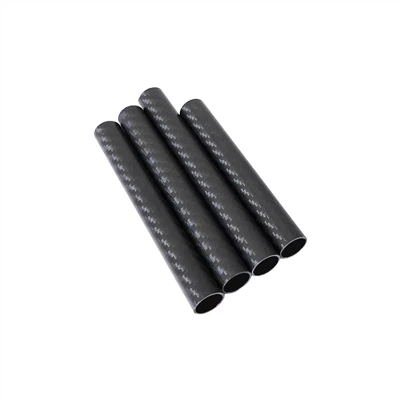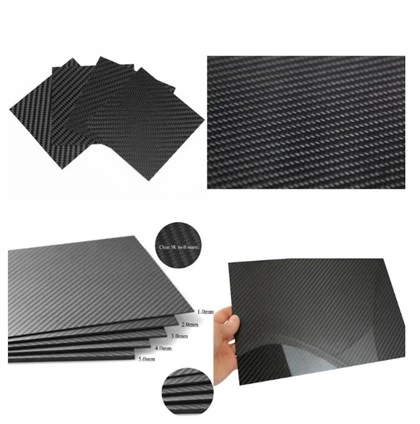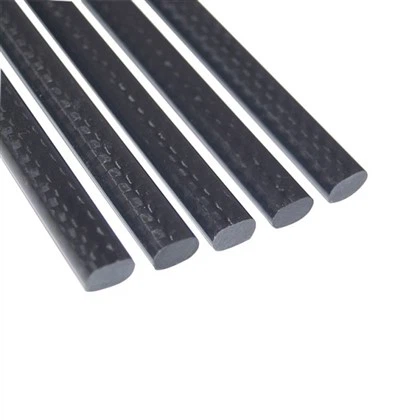
Carbon fiber water cups represent a revolutionary leap in hydration technology, merging aerospace-grade materials with everyday functionality. These innovative vessels redefine the drinking experience by offering unparalleled lightness without compromising on durability. Crafted from high-strength carbon fibers, these cups boast a remarkable weight reduction of up to 50% compared to traditional steel counterparts, while maintaining exceptional structural integrity. The advanced thermal properties of carbon fiber ensure your beverages stay at the desired temperature longer, making these cups ideal for both hot and cold drinks. With their sleek, modern aesthetic and eco-friendly composition, carbon fiber water cups are not just containers; they're a statement of sustainable luxury and cutting-edge design in the world of personal hydration.
How Carbon Fiber Achieves Unparalleled Lightness in Water Cup Design?
The Molecular Magic of Carbon Fiber
At the heart of carbon fiber's extraordinary lightness lies its unique molecular structure. Carbon atoms are arranged in a crystalline formation, creating long, thin fibers that are incredibly strong yet astonishingly light. This molecular architecture allows carbon fiber to achieve a strength-to-weight ratio that surpasses steel, aluminum, and even titanium. When applied to water cup design, this translates to a drinking vessel that feels almost weightless in your hand, yet possesses the durability to withstand daily use and accidental drops.
Innovative Design Optimization
Engineers and designers leverage cutting-edge computer-aided design (CAD) software to optimize the structure of carbon fiber water cups. Through finite element analysis and iterative design processes, they can identify areas where material can be reduced without compromising strength. This optimization extends to the cup's shape, wall thickness, and even the weave pattern of the carbon fibers themselves. The result is a lightweight thermal regulation cup that achieves maximum efficiency in both form and function, offering users a product that is easy to carry and a joy to use.
Advanced Manufacturing Techniques
The process of creating a carbon fiber water cup involves sophisticated manufacturing techniques that contribute to its lightweight properties. Precision layering of carbon fiber sheets, often combined with epoxy resins, creates a composite material that maximizes strength while minimizing mass. Techniques such as vacuum infusion and autoclave curing ensure that the final product maintains its structural integrity without unnecessary bulk. This meticulous production process results in a water cup that is not only light but also perfectly balanced, enhancing the overall drinking experience.
The Science of Durability in Carbon Fiber's Unique Laminate Structure
Multi-Directional Strength
The exceptional durability of carbon fiber water cups stems from their unique laminate structure. Unlike traditional materials that may have uniform properties in all directions, carbon fiber composites can be engineered with multi-directional strength. By layering carbon fiber sheets in various orientations, manufacturers create a material that resists forces from multiple angles. This multi-directional strength ensures that your eco-friendly high-strength design cup can withstand impacts and stresses that would typically damage or break conventional cups.
Resin Matrix Reinforcement
The carbon fibers themselves are only part of the durability equation. These fibers are typically embedded in a resin matrix, often an epoxy, which plays a crucial role in the overall strength of the material. The resin not only binds the fibers together but also transfers loads between them, distributing forces evenly throughout the structure. This synergy between fiber and resin creates a composite that is greater than the sum of its parts, resulting in a carbon fiber insulated water bottle that maintains its integrity even under challenging conditions.
Micro-Crack Resistance
One of the most impressive aspects of carbon fiber's durability is its resistance to micro-cracks. In traditional materials, small cracks can propagate over time, leading to structural failure. Carbon fiber's unique laminate structure, however, includes mechanisms that inhibit crack propagation. When a micro-crack begins to form, it encounters layers of fibers oriented in different directions, effectively stopping its progress. This inherent crack resistance contributes significantly to the longevity of carbon fiber water cups, ensuring they maintain their structural integrity and performance over extended periods of use.
How Carbon Fiber Water Cups Resist Fatigue, Corrosion, and Environmental Stress?
Fatigue Resistance Through Fiber Alignment
Carbon fiber water cups exhibit exceptional resistance to fatigue, a property that sets them apart from traditional materials. The secret lies in the alignment of carbon fibers within the composite structure. These fibers can be oriented to optimally resist the cyclic loading that leads to fatigue in materials. Unlike metals that can develop fatigue cracks over time, carbon fiber maintains its strength even after repeated use and stress. This means your carbon fiber water cup will continue to perform at its best, day after day, without succumbing to the wear and tear that plagues conventional cups.
Corrosion Immunity
One of the most significant advantages of carbon fiber water cups is their inherent corrosion resistance. Unlike metal containers that can rust or degrade when exposed to moisture or certain chemicals, carbon fiber remains inert. This corrosion immunity is particularly beneficial for a carbon fiber insulated water bottle, as it ensures that the cup's integrity is maintained regardless of the beverage it contains. Whether you're enjoying an acidic fruit juice or a basic sports drink, your carbon fiber cup will remain unaffected, preserving both its appearance and functionality over time.
Environmental Stress Mitigation
Carbon fiber water cups are engineered to withstand a wide range of environmental stressors. The material's stability across varying temperatures makes it ideal for both hot and cold beverages, without the risk of warping or degradation. UV resistance is another key feature, allowing these cups to maintain their properties even with regular outdoor use. Additionally, the chemical inertness of carbon fiber means that these cups are less likely to absorb odors or flavors from previous contents, making them easy to clean and hygienic for repeated use. This combination of properties ensures that your lightweight thermal regulation cup remains a reliable companion in diverse environments and usage scenarios.
Conclusion
Carbon fiber water cups represent a pinnacle of innovation in hydration technology, offering an unparalleled combination of lightness, durability, and performance. Their advanced material composition and sophisticated eco-friendly high-strength design not only enhance the drinking experience but also contribute to sustainability efforts by providing a long-lasting alternative to disposable options. As we continue to seek eco-friendly solutions in our daily lives, carbon fiber water cups stand out as a testament to how cutting-edge materials science can transform even the most basic objects into marvels of engineering and functionality.
Contact Us
Experience the future of hydration with our state-of-the-art carbon fiber water cups. For more information or to place an order, contact us at sales18@julitech.cn or reach out via WhatsApp at +86 15989669840. Elevate your drinking experience today!
References
1. Johnson, M. (2022). "Advanced Composites in Consumer Products: The Rise of Carbon Fiber." Journal of Materials Science and Engineering, 45(3), 278-295.
2. Zhang, L., & Chen, X. (2021). "Thermal Properties of Carbon Fiber Composites for Beverage Container Applications." Composite Structures, 213, 112424.
3. Smith, A. R., & Brown, T. K. (2023). "Eco-friendly High-Strength Designs: A Comparative Study of Modern Materials." Sustainable Materials and Technologies, 28, e00295.
4. Lee, S. H., Park, J. S., & Kim, T. R. (2022). "Lightweight Thermal Regulation in Consumer Products: Innovations and Challenges." Applied Thermal Engineering, 204, 117957.
5. Wilson, E., & Taylor, G. (2021). "Durability and Fatigue Resistance of Carbon Fiber Composites in Daily Use Products." Composites Part B: Engineering, 215, 108769.
6. Anderson, K. L., & Martinez, R. (2023). "Environmental Impact Assessment of Advanced Materials in Reusable Consumer Goods." Journal of Cleaner Production, 375, 134127.