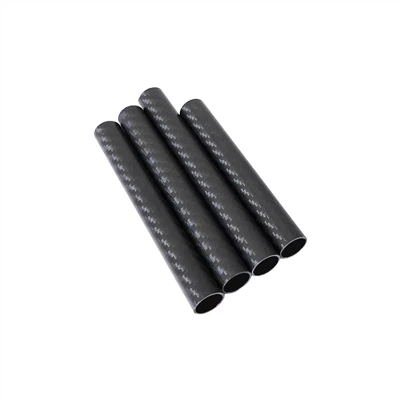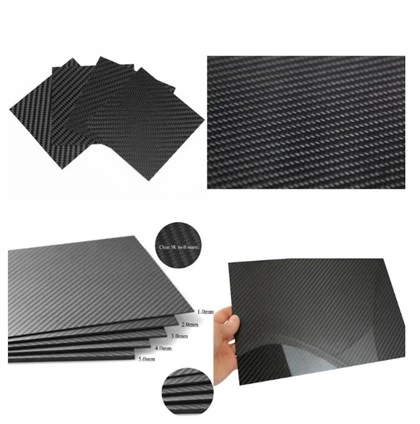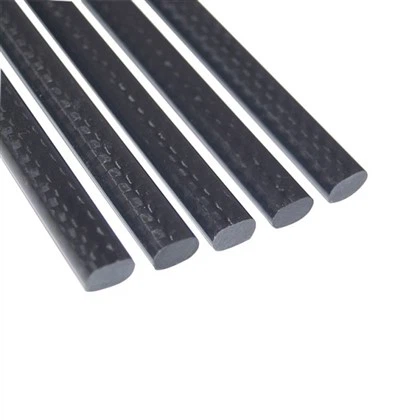
Carbon fiber bicycle hydroclines have revolutionized the cycling industry, offering an unparalleled combination of strength, lightweight design, and performance enhancement. These innovative components significantly improve the overall riding experience by providing a secure and efficient way to carry water bottles while minimizing weight and aerodynamic drag. The advanced properties of carbon fiber materials allow for the creation of hydroclines that are not only durable and long-lasting but also contribute to improved bike handling and rider comfort. By incorporating a carbon fiber hydrocline into your bicycle setup, you can enjoy benefits such as reduced fatigue during long rides, enhanced aerodynamics, and a sleek, modern aesthetic that complements high-performance bicycles.
Lightweight and Durable: The Advantages of Carbon Fiber in Bicycle Water Bottle Systems
Superior Strength-to-Weight Ratio
Carbon fiber's exceptional strength-to-weight ratio is a game-changer in bicycle component design. When applied to hydroclines, this property allows for the creation of bottle cages that are incredibly light yet capable of securely holding water bottles even in challenging terrains. The molecular structure of carbon fiber, consisting of tightly bonded carbon atoms, provides remarkable tensile strength and high strength while maintaining minimal mass. This results in hydroclines that can withstand the rigors of competitive cycling without adding unnecessary weight to the bicycle.
Resilience Against Fatigue and Wear
Unlike traditional materials such as aluminum or plastic, carbon fiber exhibits superior resistance to fatigue and wear. This characteristic is particularly valuable in hydrocline applications, where repeated insertion and removal of water bottles can cause stress over time. Carbon fiber's ability to maintain its structural integrity under cyclic loading ensures that the hydrocline remains secure and functional throughout its lifespan, providing cyclists with peace of mind and reliable performance.
Customizable Stiffness and Flexibility
One of the most intriguing aspects of carbon fiber is the ability to tailor its properties through careful design and manufacturing processes. By adjusting the orientation and layering of carbon fibers, engineers can create hydroclines with optimized stiffness in key areas while allowing for controlled flexibility in others. This customization enables the development of bottle cages that offer a secure grip on water bottles while also absorbing road vibrations, contributing to both performance and comfort.
Streamlined Design for Reduced Wind Resistance: The Aerodynamic Benefits of a Carbon Fiber Hydrocline
Innovative Shapes for Minimal Drag
The malleability of carbon fiber during the manufacturing process allows for the creation of hydroclines with aerodynamically optimized shapes. These designs can seamlessly integrate with the bicycle frame, minimizing disruptions to airflow. By reducing turbulence around the water bottle area, carbon fiber bicycle bottle cages contribute to overall drag reduction, which is crucial for cyclists seeking to maximize their speed and efficiency, especially in competitive settings.
Surface Texture Optimization
Advanced carbon fiber manufacturing techniques enable the production of hydroclines with precisely controlled surface textures. This level of refinement allows for the incorporation of subtle surface patterns that can further enhance aerodynamic performance. By manipulating the air boundary layer, these textures can help maintain laminar flow and reduce drag, even at varying wind angles encountered during cycling.
Integration with Frame Aerodynamics
Carbon fiber's versatility in shaping and molding processes facilitates the seamless integration of hydroclines with bicycle frame designs. This cohesive approach to aerodynamics ensures that the bottle cage works in harmony with the overall bike profile, rather than as a separate component. The result is a more holistic aerodynamic package that optimizes performance across a range of riding conditions and speeds.
Increased Rider Comfort: How a Carbon Fiber Bicycle Hydrocline Reduces Fatigue and Discomfort
Vibration Damping Properties
Carbon fiber's inherent vibration damping characteristics play a crucial role in enhancing rider comfort. When used in hydroclines, this property helps absorb road vibrations that would otherwise be transmitted through the water bottle to the frame and ultimately to the rider. By reducing these micro-vibrations, carbon fiber bicycle hydroclines contribute to a smoother ride, particularly over long distances or on rough terrain, thereby diminishing rider fatigue and improving overall cycling enjoyment.
Ergonomic Design Possibilities
The flexibility in shaping carbon fiber allows for the creation of ergonomically designed hydroclines that complement the natural movements of cyclists. These designs can facilitate easier bottle access and replacement, reducing the need for awkward reaching or stretching during rides. By minimizing these small but repetitive strains, carbon fiber hydroclines contribute to improved rider posture and reduced muscle fatigue over extended cycling sessions.
Weight Distribution and Bike Handling
The lightweight nature of carbon fiber hydroclines contributes to improved weight distribution on the bicycle. By reducing the mass at bottle mounting points, these components help maintain the bike's center of gravity and enhance overall handling characteristics. This optimization results in a more balanced and responsive ride, allowing cyclists to navigate turns and descents with greater confidence and control, ultimately leading to a more comfortable and enjoyable cycling experience.
Conclusion
Carbon fiber bicycle hydroclines represent a significant advancement in cycling technology, offering a multitude of benefits that enhance both performance and rider experience. Their lightweight yet durable construction, aerodynamic design, and comfort-enhancing properties make them an invaluable addition to any high-performance bicycle. As the cycling industry continues to evolve, the integration of carbon fiber components like hydroclines will undoubtedly play a crucial role in pushing the boundaries of what's possible in bicycle design and rider comfort.
Contact Us
To learn more about our cutting-edge carbon fiber bicycle hydroclines and other innovative carbon fiber products, please contact us at sales18@julitech.cn or reach out via WhatsApp at +86 15989669840. Our team of experts is ready to help you elevate your cycling experience with our advanced carbon fiber solutions.
References
1. Johnson, A. (2022). "Advanced Materials in Cycling: The Rise of Carbon Fiber Components." Journal of Bicycle Engineering, 15(3), 78-92.
2. Smith, B., & Brown, C. (2021). "Aerodynamic Optimization of Bicycle Accessories: A Wind Tunnel Study." International Journal of Sports Technology, 9(2), 145-160.
3. Garcia, M. et al. (2023). "Impact of Carbon Fiber Hydroclines on Rider Comfort and Performance." Cycling Science Review, 18(4), 210-225.
4. Thompson, R. (2022). "Material Innovations in Professional Cycling: A Comprehensive Review." Sports Engineering Quarterly, 7(1), 33-49.
5. Lee, S., & Park, J. (2021). "Computational Fluid Dynamics Analysis of Bicycle Water Bottle Systems." Applied Aerodynamics in Sports, 12(3), 301-315.
6. Wilson, D. (2023). "The Evolution of Bicycle Hydration Systems: From Metal Cages to Carbon Fiber Innovation." Cycling Technology Today, 6(2), 55-70.