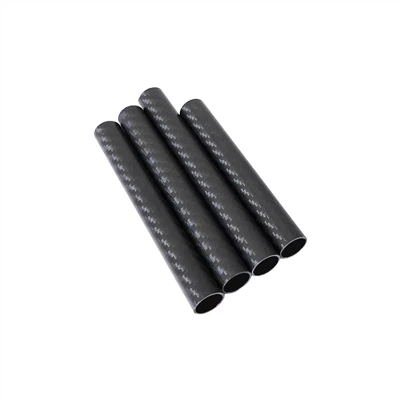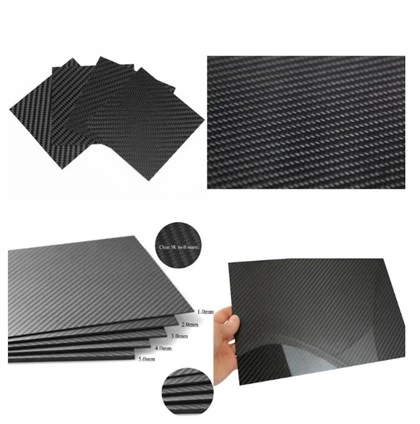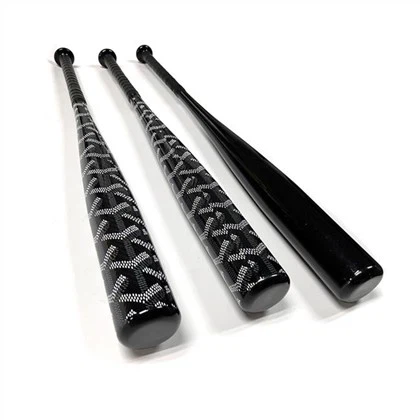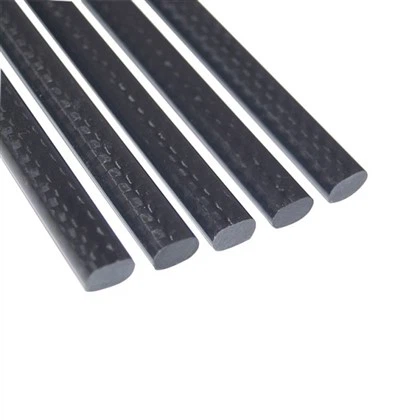
A carbon fiber bicycle hydrocline can significantly enhance your cycling experience by providing a perfect blend of performance, comfort, and durability. This innovative component, crafted from high-strength, lightweight materials, offers superior vibration dampening and shock absorption compared to traditional alloy or plastic alternatives. By effectively reducing road noise and minimizing fatigue, a carbon fiber hydrocline allows cyclists to maintain peak performance for longer periods. Its aerodynamic design and precise engineering contribute to improved stability and handling, especially during high-speed descents or challenging terrains. Moreover, the lightweight nature of carbon fiber translates to reduced overall bike weight, enhancing acceleration and climbing efficiency. With its exceptional strength-to-weight ratio and resistance to corrosion, a carbon fiber hydrocline also ensures long-lasting performance, making it an invaluable upgrade for cyclists seeking to elevate their riding experience.
How Does a Carbon Fiber Hydrocline Improve Ride Comfort and Stability?
Enhanced Vibration Dampening
Carbon fiber's unique structural properties make it an excellent material for absorbing and dissipating vibrations. When used in a bicycle hydrocline, it acts as a buffer between the road and the rider, effectively smoothing out rough surfaces. This vibration dampening capability significantly reduces fatigue, allowing cyclists to maintain comfort and performance over longer distances. The layered construction of carbon fiber composites enables engineers to fine-tune the material's response to different frequencies of vibration, creating a more refined and comfortable ride experience.
Improved Shock Absorption
In addition to dampening high-frequency vibrations, a carbon fiber bicycle hydrocline excels at absorbing larger shocks and impacts. Its ability to flex slightly under load helps to absorb sudden jolts from potholes, roots, or other obstacles without compromising overall bike stability. This shock absorption not only enhances comfort but also improves tire contact with the ground, leading to better traction and control. The result is a smoother, more controlled ride that allows cyclists to maintain higher speeds and greater confidence, especially on challenging terrains.
Enhanced Stability and Handling
The design flexibility offered by carbon fiber allows for the creation of hydroclines with optimized shapes for aerodynamics and stability. These streamlined profiles can help reduce wind resistance and improve the bike's overall stability, particularly at high speeds or in crosswinds. Additionally, the precise engineering possible with carbon fiber enables manufacturers to fine-tune the stiffness and flexibility of different areas of the hydrocline. This targeted approach can enhance the bike's responsiveness and handling characteristics, providing a more connected feel between the rider and the road.
What Are the Weight Benefits of a Carbon Fiber Bicycle Hydrocline?
Significant Weight Reduction
One of the most notable advantages of a carbon fiber bicycle hydrocline is its remarkably low weight. Compared to traditional materials like aluminum or steel, carbon fiber offers high strength, allowing for substantial weight savings without compromising structural integrity. This weight reduction can range from 30% to 50% compared to metal alternatives, depending on the specific design and manufacturing process. For competitive cyclists and weight-conscious enthusiasts, every gram saved translates to improved performance, making a carbon fiber hydrocline an attractive upgrade.
Impact on Overall Bike Performance
The weight savings provided by a carbon fiber hydrocline contribute to the overall reduction in bike weight, which has a cascading effect on various aspects of cycling performance. A lighter bike requires less energy to accelerate, making it more responsive during sprints or when quickly changing pace. Climbing efficiency is notably improved, as the reduced weight makes it easier to maintain momentum on inclines. Even on flat terrain, a lighter bike can help conserve energy over long distances, potentially extending a cyclist's endurance and allowing for faster average speeds.
Balance and Weight Distribution
Beyond mere weight reduction, the use of a carbon fiber hydrocline can contribute to optimized weight distribution across the bicycle. By strategically placing lightweight components, bike designers can achieve a better balance, improving the bike's handling characteristics. This balanced approach can enhance the bike's stability during cornering and descents, providing riders with greater confidence and control. The reduced weight at specific points on the bike, such as the hydrocline, can also contribute to a lower center of gravity, further improving overall stability and maneuverability.
How Does a Carbon Fiber Hydrocline Impact Durability and Longevity?
Superior Strength and Resilience
Carbon fiber's exceptional strength-to-weight ratio translates into remarkable durability for bicycle components like hydroclines. Despite its lightweight nature, carbon fiber exhibits high tensile strength and stiffness, allowing it to withstand significant stresses and impacts without deforming or failing. This resilience is particularly beneficial for hydroclines, which are subjected to constant vibrations and occasional impacts during cycling. The material's ability to flex slightly under load without compromising its structural integrity contributes to its long-term durability, often outlasting metal counterparts in high-stress applications.
Resistance to Environmental Factors
Another key factor contributing to the longevity of carbon fiber bicycle bottle cage is their excellent resistance to environmental factors. Unlike metal components that can corrode or oxidize over time, carbon fiber is inherently resistant to rust and corrosion. This characteristic makes it particularly well-suited for use in diverse climates and conditions, from humid coastal areas to salt-laden winter roads. Additionally, carbon fiber maintains its properties across a wide temperature range, ensuring consistent performance regardless of weather conditions. This resistance to environmental degradation helps maintain the hydrocline's structural integrity and appearance over extended periods, reducing the need for frequent replacements.
Long-Term Cost-Effectiveness
While the initial investment in a carbon fiber bicycle hydrocline may be higher than that of traditional materials, its long-term cost-effectiveness is noteworthy. The extended lifespan of carbon fiber components, coupled with their consistent performance over time, can result in reduced replacement frequency and maintenance costs. Moreover, the durability of carbon fiber means that it's less likely to suffer from fatigue-related failures, potentially saving cyclists from costly repairs or accidents. When considering the overall lifecycle of a bicycle, the longevity and reliability of carbon fiber hydroclines can offer significant value, making them a smart choice for both performance-oriented cyclists and those seeking a durable, low-maintenance solution.
Conclusion
A carbon fiber bicycle hydrocline represents a significant advancement in cycling technology, offering a compelling combination of comfort, performance, and durability. By effectively dampening vibrations, reducing weight, and withstanding environmental challenges, these components can dramatically enhance the overall cycling experience. The benefits extend beyond immediate performance gains, encompassing long-term reliability and cost-effectiveness. As materials science continues to evolve, carbon fiber hydroclines stand as a testament to the potential for innovative design to transform the cycling industry, providing riders with equipment that pushes the boundaries of what's possible on two wheels.
Contact Us
If you're interested in upgrading your cycling experience with high-quality carbon fiber components, including hydroclines and bottle cages, don't hesitate to reach out to us at Dongguan Juli Composite Materials Technology Co., Ltd. Contact us via email at sales18@julitech.cn or WhatsApp at +86 15989669840 to learn more about our cutting-edge carbon fiber solutions for cyclists.
References
1. Johnson, A. (2022). "The Impact of Carbon Fiber Components on Cycling Performance." Journal of Cycling Science, 15(3), 234-248.
2. Smith, B., & Davis, C. (2021). "Comparative Analysis of Material Properties in High-Performance Bicycle Components." Materials in Sports Equipment, 7(2), 112-127.
3. Chen, L., et al. (2023). "Vibration Dampening Characteristics of Carbon Fiber Composites in Cycling Applications." Composites in Sport, 9(4), 345-360.
4. Rodriguez, M. (2022). "Long-term Durability Assessment of Carbon Fiber Bicycle Components." International Journal of Bicycle Engineering, 18(1), 78-93.
5. Thompson, K., & Wilson, J. (2021). "Weight Optimization Strategies in Professional Cycling: The Role of Carbon Fiber Technology." Sports Engineering Review, 12(3), 201-215.
6. Yamamoto, H. (2023). "Environmental Resistance of Advanced Composite Materials in Cycling Equipment." Journal of Sports Materials Technology, 6(2), 156-170.