Understanding the Basics: What is Carbon Fiber?
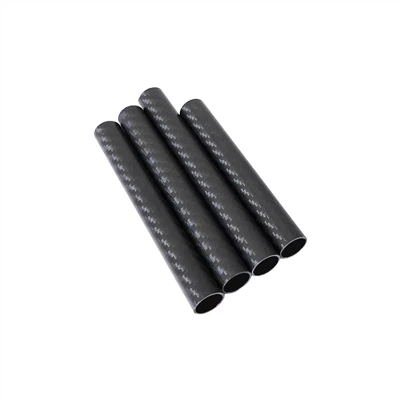
Authentic carbon fiber is a composite material consisting of extremely fine but strong carbon fiber filaments woven into a fabric. This fabric is then infused with a resin (most commonly epoxy) and cured to create a strong, lightweight structure. The strength and performance of carbon fiber products comes from this synergy between the carbon fibers and the resin matrix. In contrast, counterfeit carbon fiber is often composed of materials such as fiberglass or plastic with a printed or vinyl covering that mimics the look of a carbon weave. These replicas do not offer the same strength, durability, or lightweight properties of real carbon fiber.
Key Indicators of Authenticity and Quality
Discerning between high-quality and subpar carbon fiber products requires a keen eye and attention to detail. Here are several factors to consider:
The Weave Pattern: A Tale of Two Textures
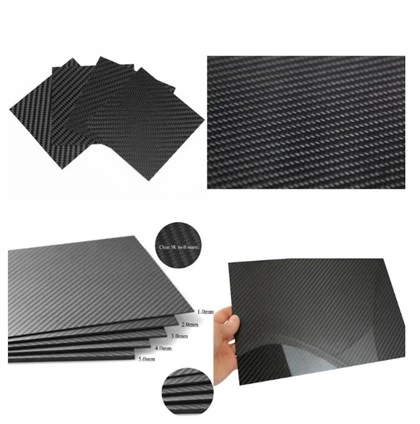
One of the key signs of genuine carbon fiber is the weave pattern. Authentic carbon fiber products feature a clean, uniform weave with no visible distortions or misalignments. The most common types include the "twill" weave, recognized by its diagonal pattern, and the "plain" weave, which resembles a checkerboard.
Pay Attention to Depth and Uniformity: Real carbon fiber has a distinct three-dimensional look, often appearing to "pop" when light reflects off it. The weave lines should be straight, continuous, and consistent throughout the surface.
Watch Out for Printed Designs: Imitation carbon fiber frequently features a flat, two-dimensional look, as the pattern is merely printed onto the surface. While it may appear realistic from afar, a closer inspection often reveals its lack of depth. You may notice visual flaws such as blurry areas, inconsistencies in the pattern, or clear lines where the printed overlay starts or ends.
The Finish: More Than Just a Shine
The surface finish of a carbon fiber part is a key indicator of its quality. High-quality carbon fiber parts typically have a clear, smooth, shiny surface that is free of defects. Watch for bubbles, cracks, flaking, or discoloration in the clear coat. These flaws indicate poor workmanship and can expose the carbon fiber to moisture and UV rays, which can weaken the part. In addition, a thick, glossy coating is often a sign of a poor quality product. Matte and Textured Options: While glossy finishes are popular, well-made carbon fiber products can also come in matte or textured finishes. A high-quality matte surface should be even and non-reflective while still showing off the underlying carbon fiber weave.
Weight and stiffness are the real performance indicators
One of carbon fiber's greatest advantages is that it combines light weight with exceptional stiffness. Weight Test: Authentic carbon fiber parts are very light. If a piece feels heavier than it should, it may be made of fiberglass with a carbon fiber-look covering, or contain fillers that degrade performance. Stiffness Test: Real carbon fiber is very stiff and should not bend easily. In contrast, imitation versions made of plastic or other soft materials will bend more easily. A simple "thumb press" by pressing hard can help distinguish real from fake carbon fiber. Real carbon fiber will resist bending even under great force.
Sound tests can reveal a lot
An easy way to evaluate a material is to tap on its surface. Pay attention to the sound: Real carbon fiber will typically have a distinctive, high-pitched sound when tapped. In contrast, imitation carbon fiber tends to produce a dull, soft sound similar to plastic.
Price and Manufacturer Reputation
While not a direct physical indicator, the price of the product and the reputation of the manufacturer are key factors to consider. If the deal looks suspicious, be cautious; real carbon fiber is a high-end material that requires a complex manufacturing process. Extremely low prices compared to industry standards are often a sign that the product is counterfeit or low-quality.
Investigate the Brand: Reputable companies with a proven track record of manufacturing high-quality carbon fiber products are more likely to offer genuine items. Check for customer reviews, warranty information, and detailed product descriptions that clearly outline the materials and production methods. Be cautious of vague phrases like "carbon fiber style" or "carbon fiber finish," as these often signal imitation products.
Conclusion
Recognizing genuine, high-quality carbon fiber requires a combination of careful visual inspection, hands-on evaluation, and informed decision-making. By familiarizing yourself with the key traits of real carbon fiber-such as its distinctive weave, flawless surface, lightweight yet rigid structure, and unique sound-you can avoid falling for counterfeits or inferior alternatives. It's important to buy from trusted brands and approach unusually low prices with skepticism. Choosing authentic, well-crafted carbon fiber not only delivers the sleek look you're after but also the exceptional strength, performance, and longevity the material is known for.
contact us
Dongguan Juli Composite Materials Technology Co., Ltd. was established in 2011. It has more than 10 years of industry experience and has created its own product brand. If you need carbon fiber products, you can contact us at sales18@julitech.cn or WhatsApp +86 18822947075. Our carbon fiber is 100% authentic and has been certified by many customers. Welcome to consult.