Visual textures range from high-tech weaving to classic gloss
Carbon Fiber
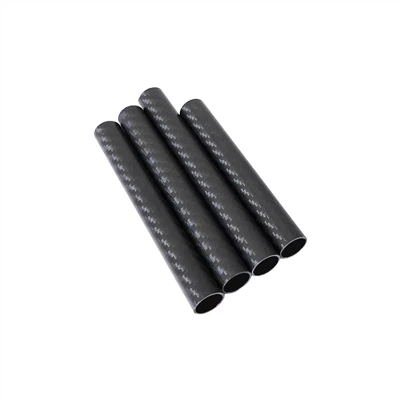
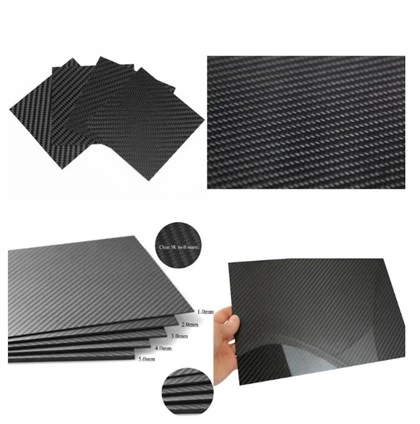
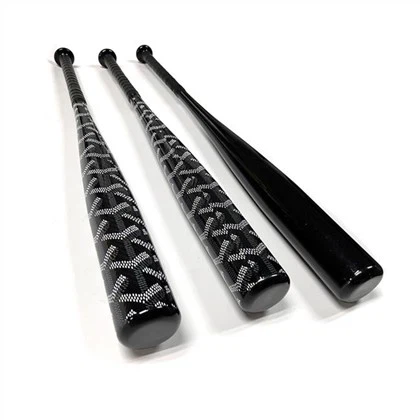
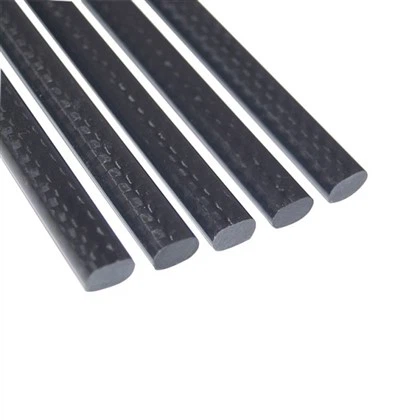
A defining feature of carbon fiber handles is their signature woven pattern. This pattern creates a deep, three-dimensional sheen that conveys a modern, high-tech, and luxurious aesthetic. The way light reflects across the weave adds visual depth and complexity, making it particularly striking. Carbon fiber is available in both glossy and matte finishes, allowing for either a bold, reflective appearance or a more understated, tactical style. Additionally, forged carbon fiber presents a random, marbled design, offering a uniquely individual finish.
Chrome
Chrome handles-whether made from solid metal or chrome-plated plastic-are known for their sleek, mirror-like finish. This reflective surface conveys a timeless, polished, and often upscale appearance. However, some critics feel that on contemporary composite vehicles, chrome may appear somewhat out of place or added as an afterthought. Its main attraction is its bright, lustrous shine, though this quality can also result in noticeable glare under direct sunlight.
Plastic
Plastic handles provide the greatest flexibility in terms of color and design options. However, they are generally perceived as less premium than carbon fiber or chrome. Their texture can vary widely-from hard plastics that feel inexpensive to more refined, soft-touch materials. While basic plastic may appear plain or dull, advances in manufacturing allow for a range of finishes, including matte, glossy, and even imitation textures that enhance their visual appeal.
A close comparison of carbon fiber, chrome, and plastic handles shows that carbon fiber is unmatched when aiming for a modern, performance-oriented look. Chrome remains the classic option for those seeking a polished, timeless shine. Plastic, although typically the most cost-effective, may not convey the same premium quality as the other two unless enhanced with carefully crafted, higher-end finishes.
A close comparison of carbon fiber, chrome, and plastic handles shows that carbon fiber is unmatched when aiming for a modern, performance-oriented look. Chrome remains the classic option for those seeking a polished, timeless shine. Plastic, although typically the most cost-effective, may not convey the same premium quality as the other two unless enhanced with carefully crafted, higher-end finishes.
From the perspective of durability
Durability Strength, wear and tear over time The ability of a handle to withstand daily use is critical. This is where the difference between carbon fiber and chrome or plastic handles becomes more apparent.
Carbon Fiber
Known for its exceptional strength-to-weight ratio, carbon fiber is a highly durable material. It resists corrosion and does not rust. It often outperforms stainless steel in terms of scratch resistance. However, over time, the resins used in composites can be susceptible to degradation from the sun's UV radiation if not protected with a UV-resistant finish.
Chrome
The longevity of a chrome handle largely depends on the material beneath the plating. A common approach is to apply chrome over plastic, achieving a metallic appearance while maintaining a lightweight structure. This plating offers added hardness and some corrosion resistance. However, over time-particularly in harsh environments with exposure to salt or chemicals-it can develop issues such as pitting, tarnishing, or peeling. Scratches are highly visible on chrome surfaces and can break through the protective layer, leaving the underlying material vulnerable to corrosion.
Plastic
The durability of plastic handles varies greatly depending on the specific type of plastic. Lower-grade plastics are prone to UV damage, which can make them brittle and cause cracking or discoloration after extended exposure to sunlight. In contrast, higher-quality, UV-stabilized materials such as HDPE or polycarbonate provide significantly better resistance to these effects. While plastic is generally not as strong as carbon fiber or metal, it does not corrode and, when made from durable polymers, can endure extensive use with minimal visible wear.
Questions about the Carbon Fiber, Chrome, and Plastic Handle Debate
Carbon fiber handle scratch resistance issue
Carbon fiber is highly resistant to everyday scratches and wear and tear, and due to the weave pattern, light scratches are generally not noticeable. However, deeper scratches can penetrate the epoxy layer and may cause damage that is difficult to repair.
Problems with pitting and peeling of chrome handles
Chrome-plated handles commonly face this problem, particularly in areas with severe weather conditions or frequent road salt exposure. Once the chrome layer is compromised, moisture can penetrate and cause the base material to corrode, resulting in bubbling and eventual peeling of the chrome surface.
Plastic handle UV degradation problem
Without UV protection, plastic handles can deteriorate under prolonged sun exposure. Ultraviolet rays break down the polymer structure, leading to fading, surface chalking, and a loss of strength that eventually results in cracking.
Best material for car door handles
The choice ultimately depends on the preferred balance between appearance, durability, and cost. Carbon fiber is commonly selected for high-performance vehicles due to its combination of strength, light weight, and modern aesthetics. Chrome provides a traditional, polished look but may face durability challenges over time. For many contemporary cars, high-quality UV-resistant plastic is often the most practical and budget-friendly option.
Conclusion
In a thorough comparison of carbon fiber, chrome, and plastic handles, there is no universally "best" material. Carbon fiber excels with its exceptional strength-to-weight ratio, contemporary appearance, and solid scratch resistance, making it well-suited for luxury and high-performance uses. Chrome provides a classic, mirror-like finish but is vulnerable to pitting and peeling over time. Plastic remains the most adaptable and affordable choice, though its longevity depends heavily on the polymer's quality and its ability to resist UV damage. Ultimately, the ideal option comes down to the intended use, budget, and preferred aesthetic.
Contact us
If you want to consult about carbon fiber products, please contact us. We are a company specializing in carbon fiber products - Dongguan Juli Composite Materials Technology Co., Ltd. was established in 2011. We have more than ten years of industry experience and have established our own brand. Please contact us via sales18@julitech.cn or WhatsApp +86 18822947075. Our carbon fiber is 100% authentic and has been certified by many customers. Welcome to visit our factory.