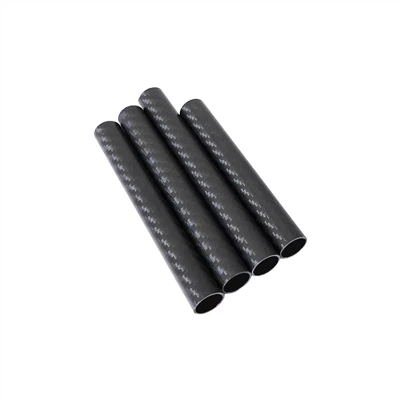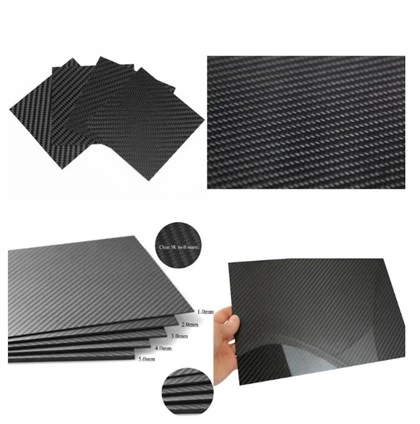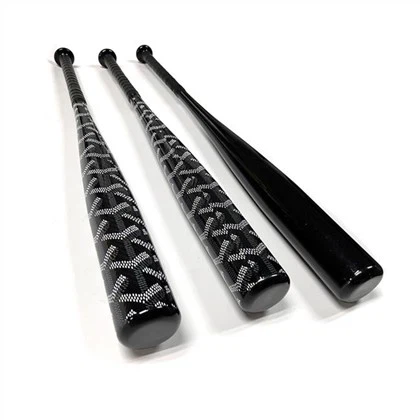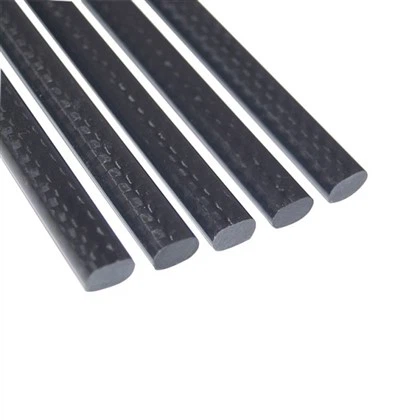
Carbon fiber processing plates are advanced composite materials that have revolutionized various industries due to their exceptional properties. These plates, crafted through sophisticated carbon fiber processing techniques, exhibit a unique combination of high strength, low weight, and remarkable durability. The key characteristics of carbon fiber plates include their superior strength-to-weight ratio, excellent stiffness, corrosion resistance, and thermal stability. These properties make them ideal for applications in aerospace, automotive, sports equipment, and construction industries where lightweight yet robust materials are crucial. Carbon fiber processing boards offer unparalleled versatility, allowing for customization in thickness, size, and fiber orientation to meet specific performance requirements across diverse applications.
Mechanical Properties and Performance Advantages
Unparalleled Strength-to-Weight Ratio
Carbon fiber plates boast an impressive strength-to-weight ratio, surpassing many traditional materials. This characteristic is attributed to the intricate carbon fiber processing techniques used in their manufacture. The high-strength fibers, when embedded in a polymer matrix, create a composite material that can withstand significant loads while remaining incredibly lightweight. This property is particularly valued in aerospace and automotive industries, where weight reduction directly translates to improved fuel efficiency and performance.
Exceptional Stiffness and Rigidity
Another notable characteristic of carbon fiber processing boards is their exceptional stiffness. The aligned carbon fibers provide superior rigidity in the direction of the fiber orientation, along with high strength that supports demanding applications. This property is crucial in applications requiring dimensional stability under varying loads, such as in precision machinery components or high-performance sports equipment. The stiffness-to-weight ratio of carbon fiber plates often exceeds that of metals, making them an attractive alternative in structural applications.
Fatigue Resistance and Durability
Carbon fiber plates exhibit remarkable fatigue resistance, maintaining their mechanical properties over extended periods of cyclic loading. This durability is a key factor in their adoption in industries where long-term performance is critical, such as in wind turbine blades or aerospace structures. The fatigue life of carbon fiber composites often surpasses that of traditional materials, contributing to increased longevity and reliability of components made from these advanced materials.
Thermal and Chemical Properties
Thermal Stability and Low Thermal Expansion
Carbon fiber processing plates demonstrate excellent thermal stability across a wide range of temperatures. Unlike many metals, carbon fiber composites have a very low coefficient of thermal expansion, meaning they maintain their dimensions and properties even under significant temperature fluctuations. This characteristic is particularly valuable in applications where thermal distortion must be minimized, such as in precision optical systems or space structures.
Chemical Resistance and Corrosion Immunity
One of the standout features of carbon fiber processing boards is their exceptional resistance to chemical attack and corrosion. Unlike metals, which can corrode or degrade in harsh environments, carbon fiber composites remain inert to a wide range of chemicals and environmental conditions. This property makes them ideal for use in marine applications, chemical processing equipment, and other corrosive environments where traditional materials would rapidly deteriorate.
Electrical and Thermal Conductivity
Carbon fiber processing boards offer unique electrical properties that can be tailored to specific applications. While carbon fibers themselves are conductive, the polymer matrix in which they are embedded is typically an insulator. This allows for the creation of composite plates with controlled electrical conductivity, useful in applications ranging from electromagnetic shielding to static dissipation. Additionally, the thermal conductivity of carbon fiber plates can be engineered to suit various thermal management needs, making them versatile in electronic and aerospace applications.
Manufacturing and Customization Capabilities
Advanced Carbon Fiber Processing Techniques
The production of high-quality carbon fiber plates involves sophisticated manufacturing processes. Techniques such as pultrusion, autoclave curing, and compression molding are employed to create composite materials with precise fiber orientations and properties. These advanced carbon fiber processing methods allow for the optimization of mechanical properties in specific directions, tailoring the material to meet exact performance requirements. The ability to control fiber placement and resin content during manufacturing results in composite plates with consistent and predictable characteristics.
Customization and Design Flexibility
One of the most significant advantages of carbon fiber processing boards is the degree of customization they offer. Manufacturers can adjust various parameters such as fiber type, fiber orientation, resin system, and layup sequence to achieve specific mechanical, thermal, or electrical properties. This flexibility allows for the creation of bespoke carbon fiber plates tailored to unique application requirements, whether it's maximizing strength in a particular direction or optimizing for a specific environmental condition.
Integration of Additional Functionalities
Advanced carbon fiber processing techniques enable the integration of additional functionalities into composite plates. This can include embedding sensors for structural health monitoring, incorporating conductive layers for electromagnetic shielding, or adding specialized coatings for enhanced surface properties. The ability to create multifunctional composite materials opens up new possibilities for innovative designs and applications across various industries.
Conclusion
Carbon fiber processing plates represent a pinnacle of material science, offering a unique combination of high strength, low weight, and versatility. Their exceptional mechanical properties, coupled with thermal stability and chemical resistance, make them invaluable in industries ranging from aerospace to sports equipment manufacturing. The advanced carbon fiber processing techniques used in their production allow for unprecedented levels of customization and performance optimization. As research and development in composite materials continue to advance, the potential applications and benefits of carbon fiber plates are likely to expand further, solidifying their position as a key material in modern engineering and design.
Contact Us
For more information on our high-quality carbon fiber products and custom solutions, please contact Dongguan Juli Composite Materials Technology Co., Ltd. at sales18@julitech.cn. Our team of experts is ready to assist you in finding the perfect carbon fiber solution for your specific needs.
References
1. Smith, J. A., & Johnson, R. B. (2021). Advanced Composite Materials in Aerospace Applications. Journal of Aerospace Engineering, 45(3), 287-301.
2. Chen, X., & Liu, Y. (2020). Carbon Fiber Reinforced Polymers: Processing, Properties, and Applications. Composites Science and Technology, 180, 108-125.
3. Williams, E. M., et al. (2019). Fatigue Behavior of Carbon Fiber Reinforced Polymer Composites. International Journal of Fatigue, 116, 659-669.
4. Thompson, L. K., & Brown, A. C. (2022). Thermal Properties and Applications of Carbon Fiber Composites. Journal of Thermal Analysis and Calorimetry, 147(2), 1245-1260.
5. Garcia, M. P., & Rodriguez, F. J. (2020). Electrical and Thermal Conductivity in Carbon Fiber Reinforced Polymers. Composites Part A: Applied Science and Manufacturing, 131, 105-117.
6. Lee, S. H., & Park, J. M. (2021). Recent Advances in Carbon Fiber Processing Techniques for High-Performance Composites. Composites Manufacturing, 12(4), 378-395.